


OEM Specialty Coffee: A Complete Guide for Coffee Brands
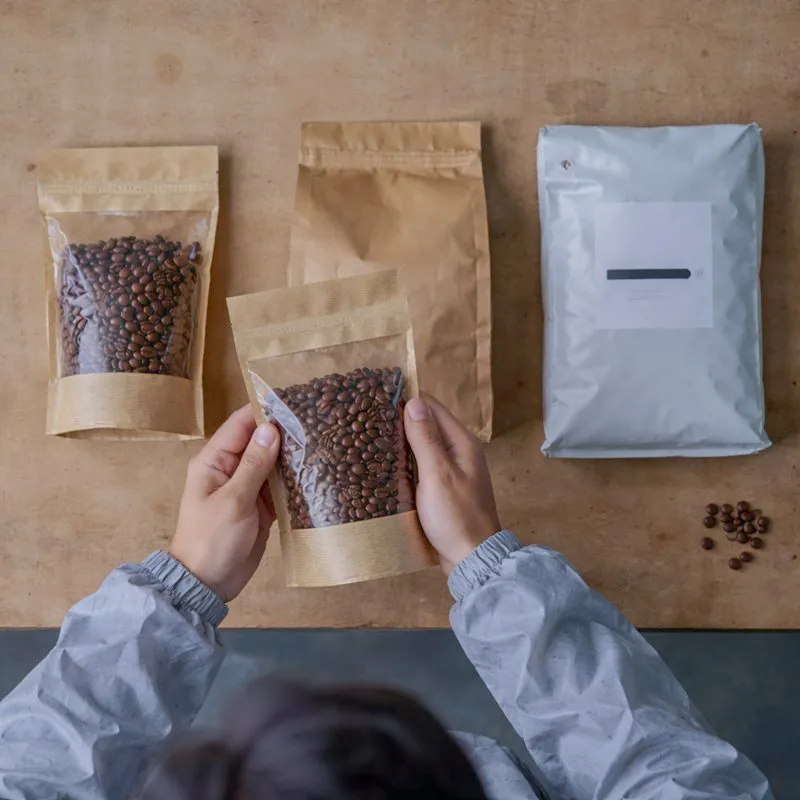
Launching a coffee brand without owning a farm, a roasting facility, or a green bean sourcing team is now the default path for most new entrants, from independent café chains building a retail line to e-commerce brands entering the coffee category for the first time. OEM specialty coffee is the mechanism that makes this possible: a manufacturing partner handles sourcing, roasting, and often packaging, while the brand controls formulation, positioning, and the customer relationship. This guide walks through what OEM specialty coffee actually involves, how the process works end to end, what drives cost, and how to choose a partner capable of delivering specialty grade quality rather than a diluted commercial substitute.
What OEM Specialty Coffee Actually Means
OEM, or original equipment manufacturer, in the coffee context describes a manufacturing relationship where a producer sources, roasts, and packages coffee according to a brand’s specifications, with the brand’s name on the final product rather than the manufacturer’s. The “specialty” qualifier matters because it distinguishes this from commodity grade OEM: the coffee itself needs to meet specialty grade thresholds, typically evaluated through cupping scores, defect counts, and documented processing methods, rather than simply being blended and packaged at scale.
What OEM Specialty Coffee Actually Means
This differs from a purely private label arrangement in degree rather than category. Private label often implies selecting from a manufacturer’s existing formulations and applying a brand’s own packaging, while OEM more often involves collaborative development of a new blend or single-origin offering built specifically around a brand’s flavor targets. In practice, many specialty coffee suppliers offer both models, and the line between them is negotiated project by project rather than fixed.
The OEM Process From First Contact to Shipped Product
Initial brief and sample request
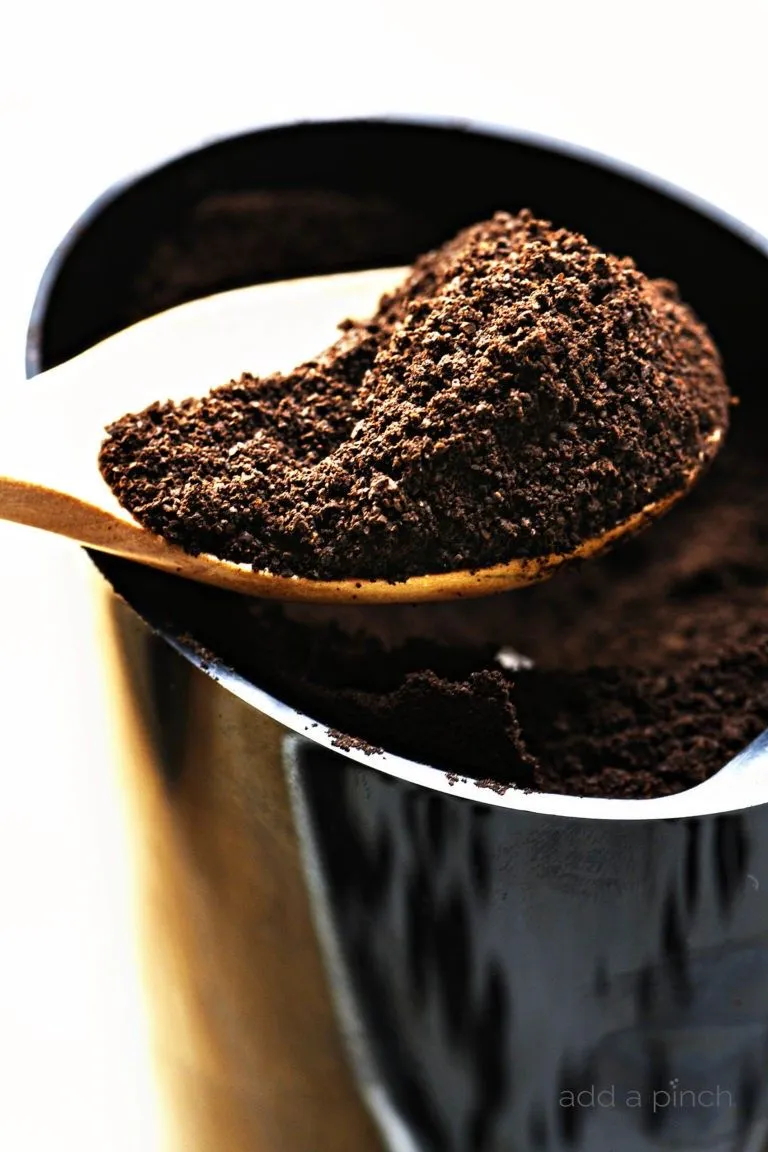
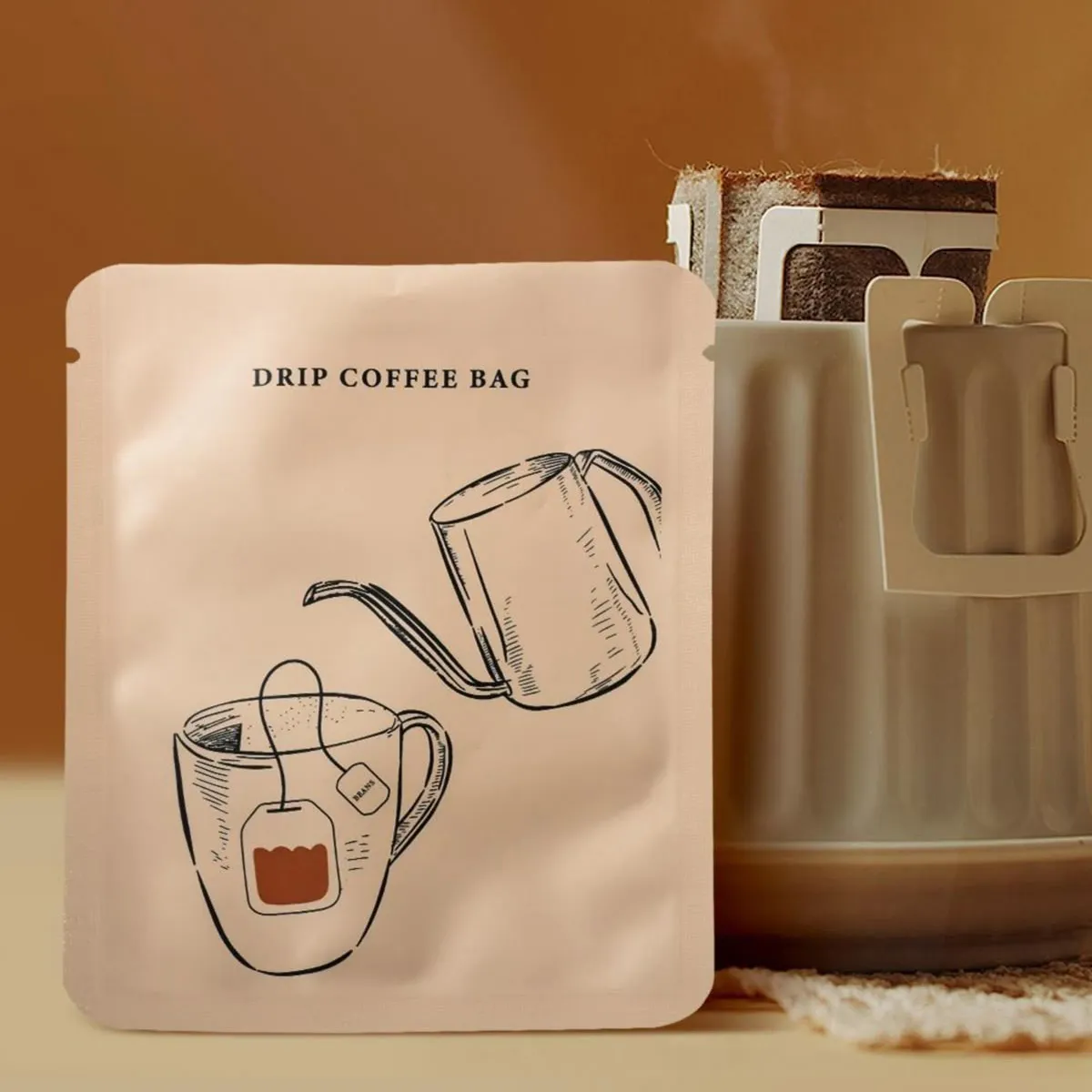
A brand shares its target flavor profile, format (whole bean, ground, drip bag, capsule), volume expectations, and any certification requirements (organic, Fairtrade, EUDR compliance for EU-bound shipments). The manufacturer typically responds with existing samples close to the brief, or begins formulation work if nothing close already exists.
Cupping and formulation
This is where the specialty designation gets tested. A serious gourmet coffee suppliers partner will run structured cupping sessions, adjusting bean origin, ratio, roast profile, or processing method based on feedback, rather than presenting a single option and moving straight to production. Expect several rounds of sample iteration before a formulation is locked.
Specification and documentation
Once a formulation is approved, it gets documented as a fixed specification: origin, grade, moisture content, roast profile parameters, and packaging details. This document becomes the reference point for every future production run, which is what keeps a brand’s coffee consistent order after order.
Packaging and labeling design
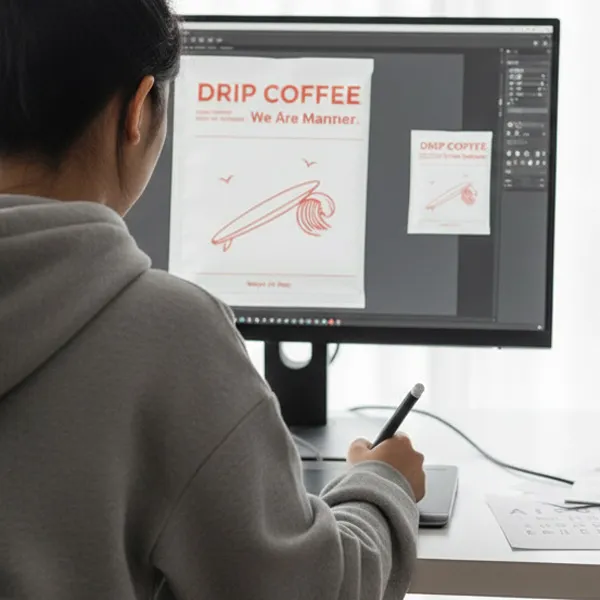
Brands typically supply their own packaging design, though many specialty coffee companies, or speciality coffee company as some international buyers spell it, can support format selection (bag type, valve, size) and provide guidance on shelf life implications of different packaging choices, particularly relevant for specialty grade coffee, which is more sensitive to degradation than commercial grade product. This step also applies to brands building a coffee specialty wholesale line for retail or hospitality distribution rather than a single consumer-facing SKU, since wholesale formats often require different packaging specifications than direct-to-consumer bags.
Trial production run
Before committing to full volume, most experienced buyers run a smaller trial batch to confirm the finalized specification translates correctly into full production, catching any inconsistency between the sample and the manufacturing line before it appears in a large order.
Full production and quality control
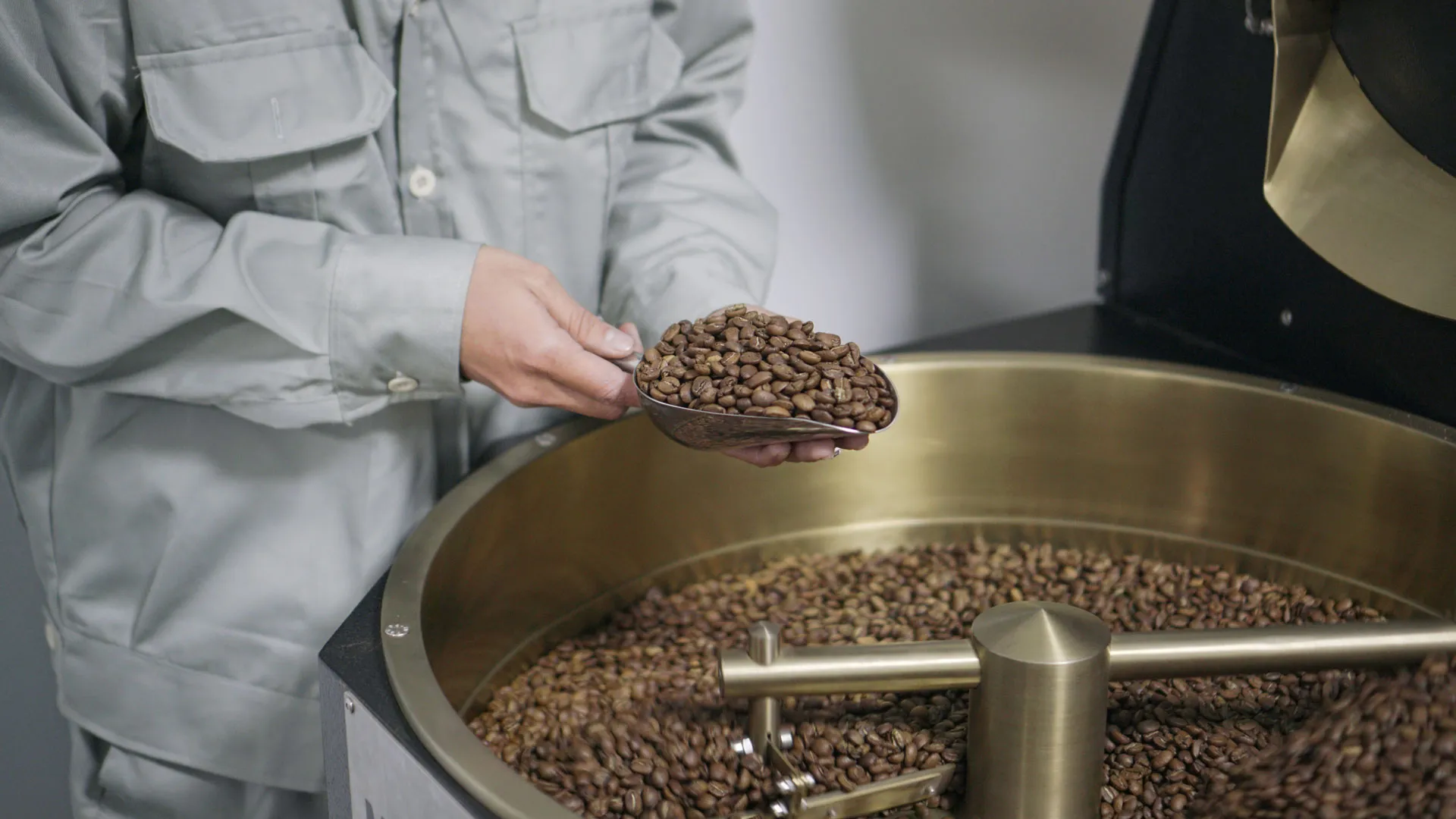
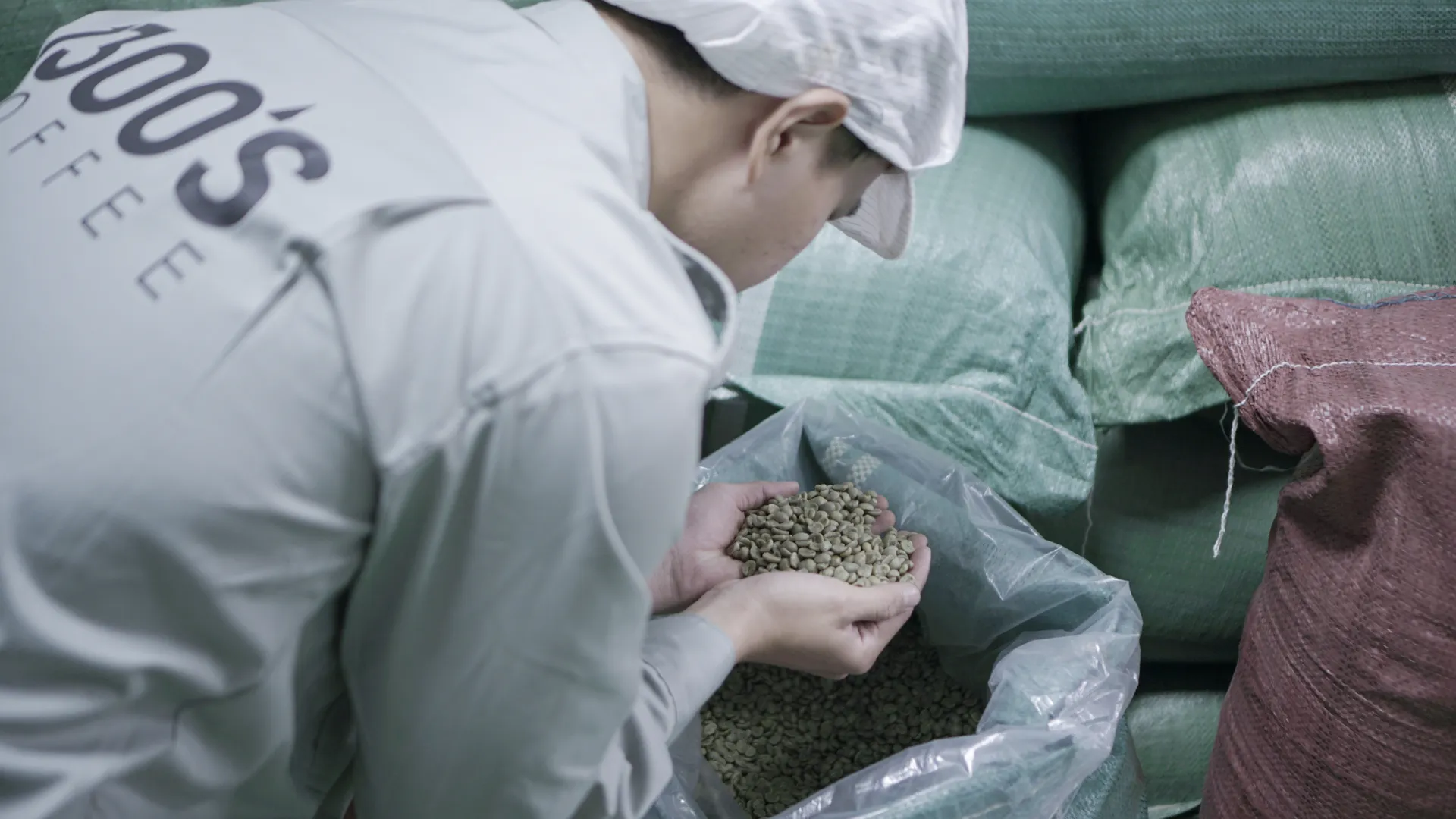
Full batches are roasted and packaged against the locked specification, with cupping and quality checks at defined points in the process, not only before shipment. This is where a specialty coffee supplier with an in-house lab has a genuine advantage over one relying solely on final-batch testing.
Shipping and documentation
Export documentation, including certificates of origin, phytosanitary certificates, and any required traceability data such as EUDR geolocation information for EU-bound shipments, is prepared alongside the physical shipment.
What Drives the Cost of OEM Specialty Coffee
Brands new to OEM sourcing are often surprised by how much cost varies between what looks like similar coffee on paper. The main drivers are:
- Origin and grade. Specialty grade Arabica from high-altitude regions costs meaningfully more than commercial grade Robusta, and even within specialty grade, cupping score and rarity of processing method (natural, honey, anaerobic) affect price.
- Order volume and minimum order quantities. Smaller trial runs typically carry a per-unit premium compared to full container orders, since fixed costs like formulation development and line setup get spread across fewer units.
- Packaging complexity. Custom packaging formats, specialty valve bags, drip bag pouches, capsules, cost more than standard bulk packaging, and low-volume custom packaging runs carry their own minimum order requirements independent of the coffee itself.
- Certifications required. Organic, Fairtrade, or other third-party certifications typically add cost, both because certified coffee itself commands a premium and because certified supply chains require additional documentation and auditing.
- Formulation complexity. A straightforward single-origin offering is generally less costly to develop than a multi-origin blend requiring several rounds of cupping to dial in a specific flavor target.
Because these factors interact, it’s difficult to quote a single accurate price range without a specific brief, which is why serious specialty coffee suppliers typically ask detailed formulation and volume questions before providing pricing rather than publishing a flat rate card.
Quality Control Considerations Specific to Specialty Grade OEM
Commodity grade OEM tolerates more batch-to-batch variation than a brand built around specialty positioning can afford. A few quality control practices matter more in this context:
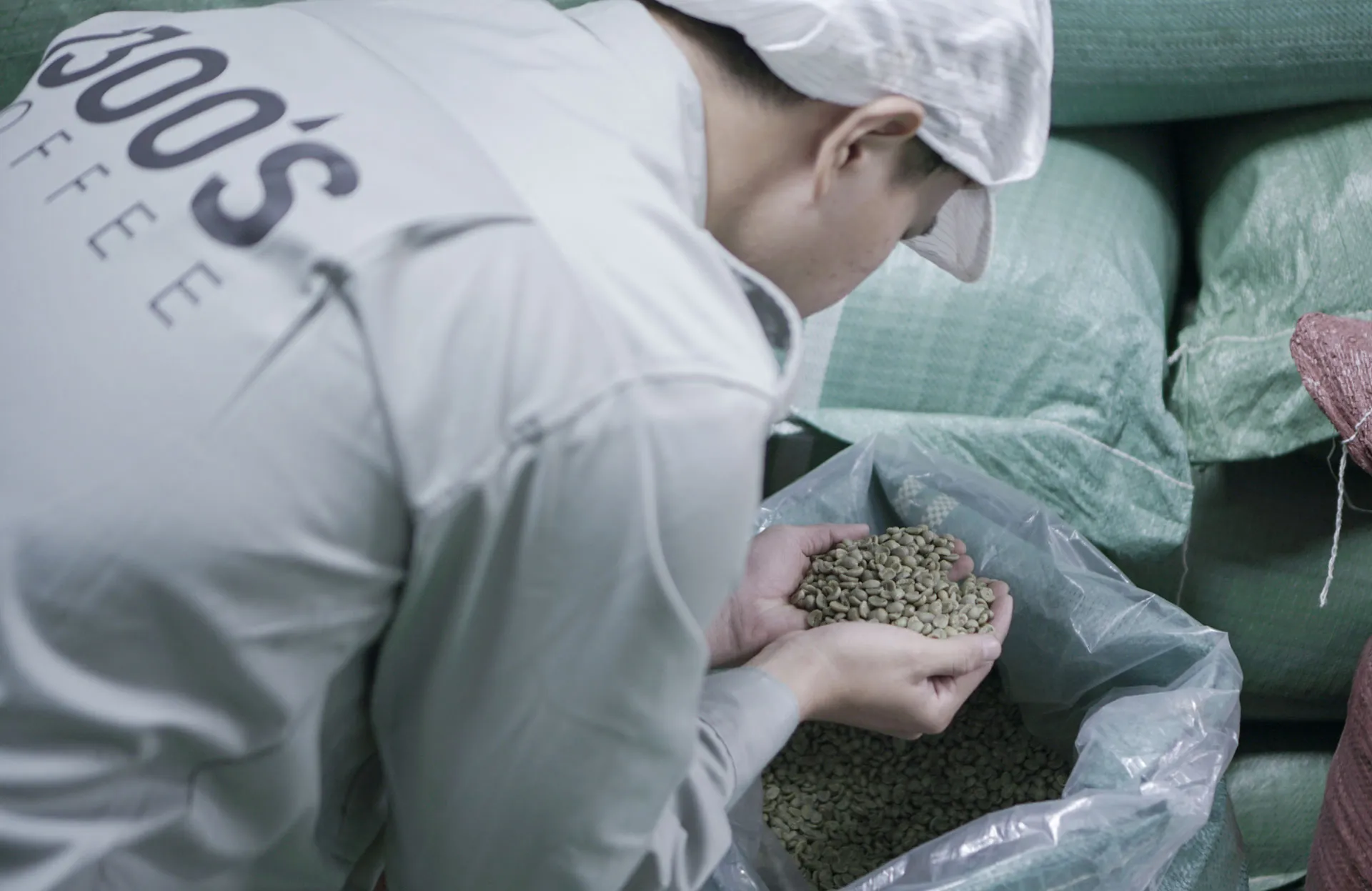
- Lot-level cupping before and after roasting, not just a general quality check, since roasting can mask or reveal defects present in the green bean.
- Documented, repeatable roast profiles, logged rather than judged by feel each cycle, so a brand’s signature flavor doesn’t drift between production runs.
- Traceability data tied to the specific formulation, particularly important for brands making origin or sustainability claims in their marketing, since those claims need to be defensible with real sourcing documentation.
- Moisture and shelf life monitoring, since specialty grade coffee, especially light and medium roasts common in specialty positioning, is more sensitive to staling than heavily roasted commercial grade coffee.
How to Choose an OEM Specialty Coffee Partner
A structured evaluation tends to surface real differences between suppliers that look similar in an initial pitch:
- Request a cupping sample close to your target profile, not a generic house blend, and evaluate it against your own quality bar independently of the supplier’s provided score.
- Ask about minimum order quantities across product types, since MOQs for green beans, roasted whole bean, and finished private label packaging often differ significantly, even within a single specialty coffee company.
- Confirm certifications relevant to your target market, and verify accreditation rather than accepting a certificate name at face value, particularly for organic claims entering the EU or other regulated markets.
- Ask how the manufacturer handles formulation iteration, since a partner offering only one or two rounds of sample adjustment before pushing toward production may not be genuinely equipped for collaborative specialty development.
- Clarify traceability and geolocation data availability, especially for EU-bound shipments subject to EU Deforestation Regulation requirements.
- Run a trial order before committing to full volume, regardless of how strong the initial samples were, since consistency across a real production run is what a single sample can’t verify.
Read more: Top Specialty Coffee Companies Offering OEM & Private Label Solutions for Global Coffee Brands
Common Mistakes Brands Make With OEM Specialty Coffee
A few recurring issues show up across first-time OEM projects: locking a formulation based on a single cupping session rather than iterating, underestimating the MOQ required for custom packaging even when the coffee MOQ itself is manageable, assuming a supplier’s general “specialty” claim applies uniformly across every product line they offer, and skipping a trial production run to save time, only to discover a consistency issue after a full container has already shipped. Each of these is avoidable by following the evaluation process above rather than moving directly from a promising sample to a large commitment.
Common Mistakes Brands Make With OEM Specialty Coffee
Where 1300’S Coffee Fits Into an OEM Specialty Coffee Program
1300’S Coffee operates as a vertically integrated specialty coffee supplier based in the Mang Den highlands of Kon Tum province, managing sourcing, processing, and roasting under one structure with quality control run through an in-house lab. For brands building an OEM specialty coffee program, this structure supports the formulation and iteration process described above without requiring a brand to coordinate separately with a green bean supplier and a roasting facility. The company holds ISO 22000, HACCP, FDA, and OCOP certifications, and supports private label packaging formats including whole bean, ground, drip bag, and instant coffee, with production configured per formulation rather than limited to a fixed existing product line.
Getting Started
Brands ready to start an OEM specialty coffee project should prepare a clear brief covering target flavor profile, format, volume expectations, and any required certifications, then request cupping samples before discussing pricing or committing to a formulation. Ready to develop an OEM specialty coffee formulation for your brand? Share your brief with 1300’S Coffee to receive samples aligned with your target profile and format.
Read more: Why Vietnam Is Becoming a Global Specialty Coffee Origin


1300s BLOG YOU MAY ALSO BE INTERESTED IN
Where Is Coffee Imported From Top Exporting Countries by Volume
Top Specialty Coffee Suppliers for European Coffee Importers
7 Critical Questions to Ask Your Green Bean Coffee Suppliers Before Buying in Bulk