


The Rise of Vietnam’s Specialty Coffee Industry
For most of its modern history, Vietnam’s coffee industry has been defined by volume rather than distinction. The country became the world’s second-largest coffee producer and the largest robusta exporter by scaling production across the Central Highlands, prioritizing yield and reliable commodity grade output over the kind of lot-level differentiation that specialty markets reward. That story has been changing, gradually at first and then quickly over the past several years, as domestic roasters, exporters, and government programs have pushed the industry toward specialty grade production. This piece traces how that shift happened and where it currently stands.
Starting Point: A Robusta-Dominant Commodity Economy
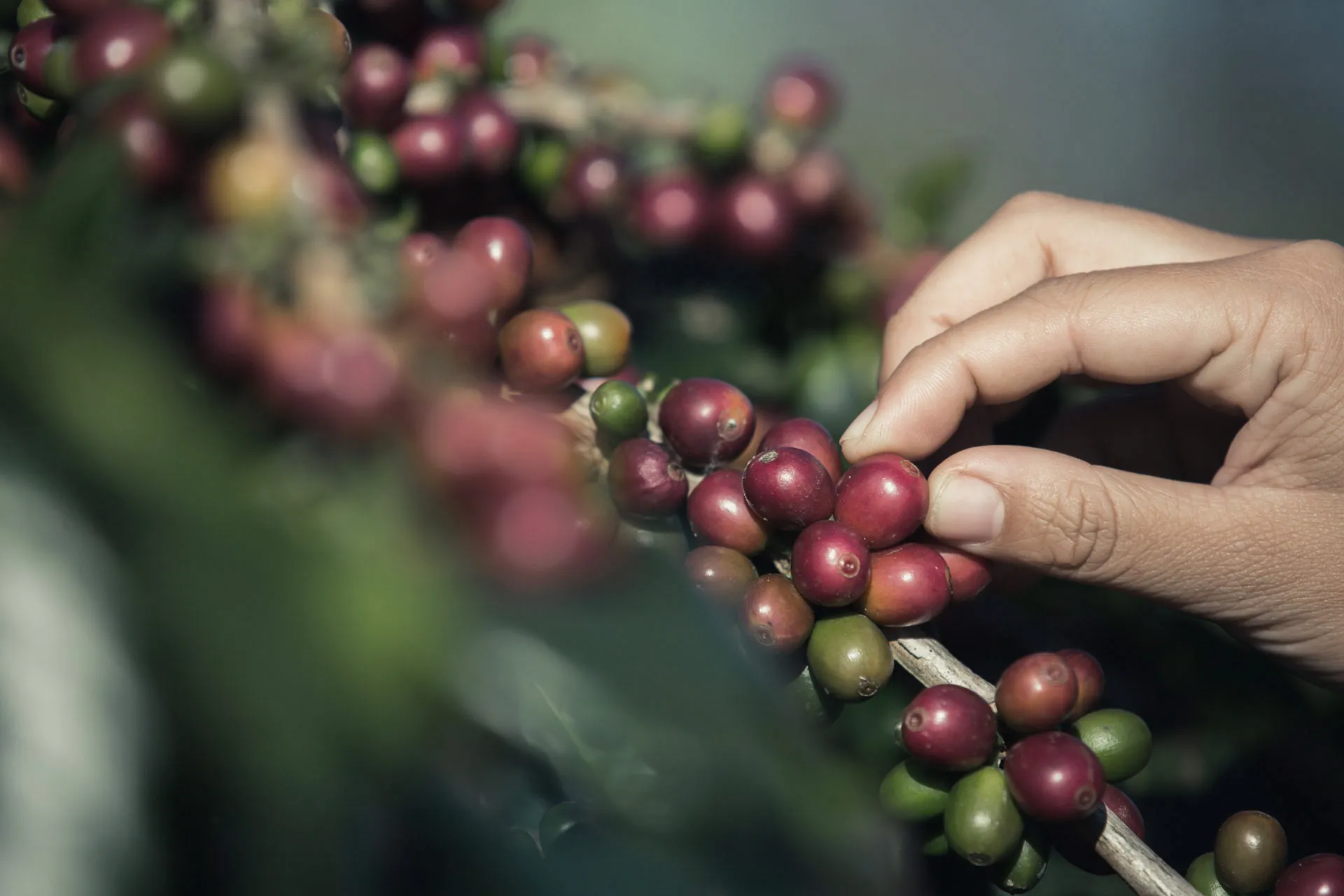
Robusta still accounts for roughly 81% of Vietnam’s coffee market by volume, and the crop dominates the Central Highlands provinces of Dak Lak, Lam Dong, Dak Nong, Gia Lai, and Kon Tum, where the country cultivates more than 700,000 hectares of coffee. For decades, this volume was sold almost entirely as commodity grade beans destined for instant coffee production and low-cost blends, a market where price per ton mattered far more than flavor differentiation or origin story.
A Robusta-Dominant Commodity Economy
This commodity-first structure shaped the entire supply chain around scale: large processing facilities, standardized grading, and export relationships built on tonnage rather than lot traceability. It’s also why, for a long time, “Vietnamese coffee” carried little specialty cachet internationally compared to origins like Ethiopia, Colombia, or Kenya.
The Shift Begins: Quality Investment and Fine Robusta
The turning point for Vietnam’s specialty movement wasn’t a single event but a combination of market and quality forces converging over roughly the past decade. Two developments stand out.
First, domestic and international buyers began treating high-quality robusta as a genuinely distinct category rather than an inherently inferior substitute for arabica. Fine Robusta, produced through more careful harvesting, controlled fermentation, and processing methods like natural, honey, and anaerobic processing, began showing up in specialty blends and even as single-origin offerings, challenging assumptions that had held for decades. Vietnamese domestic robusta prices actually surpassed arabica for the first time in 2024, a shift that would have been difficult to imagine in the commodity-only era of the industry.
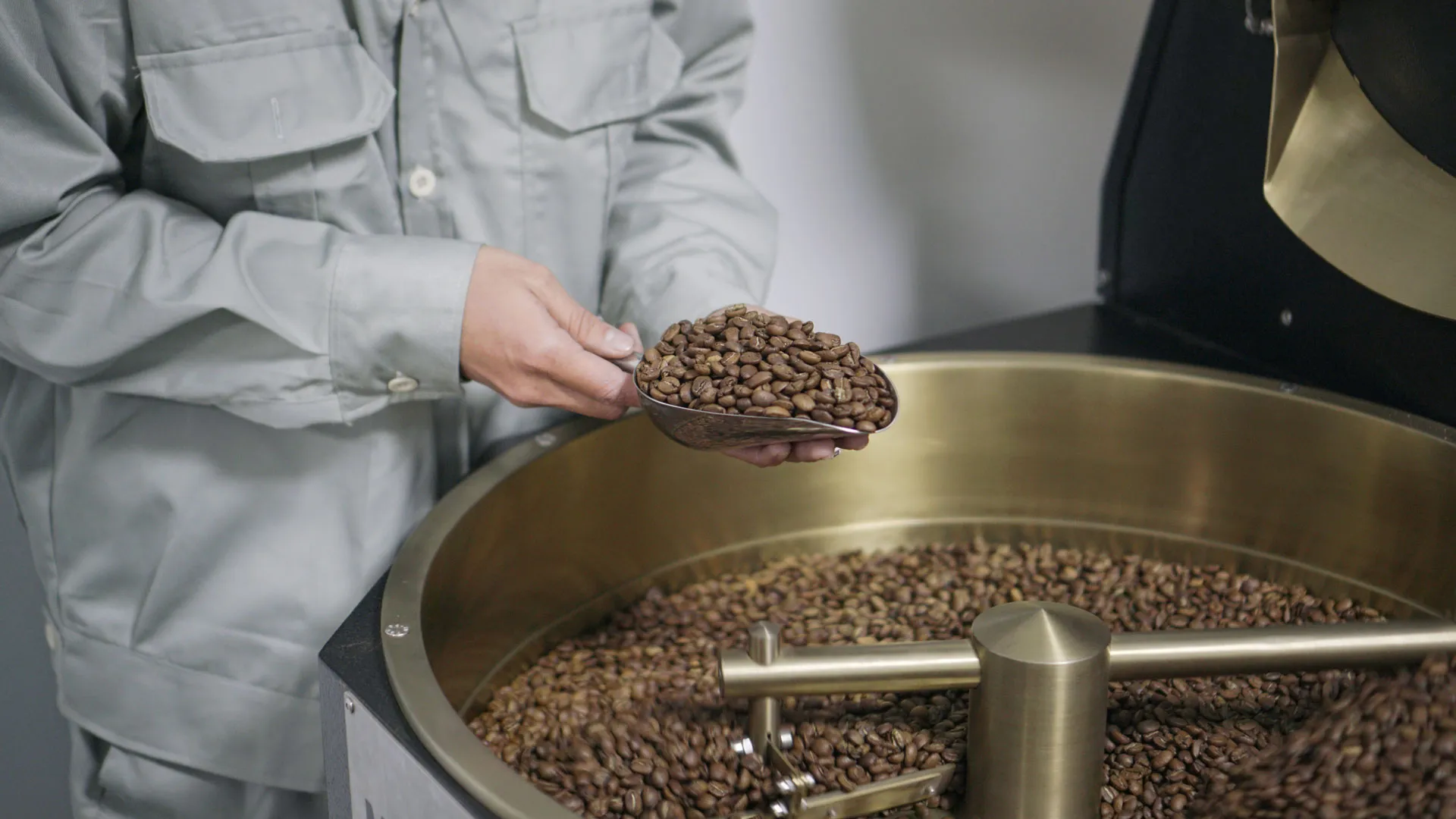
Second, a new generation of Vietnamese roasters and coffee entrepreneurs began building specialty-focused businesses, first domestically through cafés in Ho Chi Minh City, Hanoi, and Da Lat, and increasingly with export ambitions. These roasters applied SCA-informed grading and cupping standards to Vietnamese beans, in many cases for the first time at a serious operational level, and started sourcing directly from specific farms and regions rather than buying blended commodity lots.
Government and Trade Infrastructure Caught Up
A specialty movement built entirely on individual roasters and small exporters has a ceiling. What’s pushed Vietnam’s specialty segment from a promising niche toward genuine global relevance has been infrastructure and policy support arriving alongside the quality shift.
The EU-Vietnam Free Trade Agreement reduced import duties on Vietnamese coffee entering the EU to zero and extended protection to 39 Vietnamese geographical indications, including Buon Ma Thuot coffee, giving specialty-positioned Vietnamese origins a genuine trade advantage in one of the world’s largest specialty coffee markets. Vietnam’s Ministry of Agriculture also launched a national database tracking forest and coffee-growing areas, developed in partnership with international organizations, specifically to support compliance with the EU Deforestation Regulation. That groundwork paid off directly: in May 2025, the EU classified Vietnam as a “low-risk” country under EUDR, allowing Vietnamese coffee exports to undergo a simplified due diligence process rather than the more intensive review applied to higher-risk origins.
Quality standards have also formalized. Vietnam’s national green coffee standard, TCVN 4193:2014, alongside the international ISO 10470 defect classification table, gives buyers a consistent technical reference when evaluating Vietnamese lots, something that was far less standardized when the industry ran primarily on undifferentiated commodity grading. Roughly 40% of the country’s coffee-growing area now carries sustainability certifications such as Rainforest Alliance, Fairtrade, 4C, or UTZ, a marker of how far certification adoption has spread beyond a handful of large exporters.
What the Numbers Show Today
The specialty segment’s growth is now visible in market data rather than just anecdote. Vietnam’s specialty coffee category is projected to grow at roughly a 7% compound annual rate, outpacing the broader conventional coffee market, and coffee export revenue reached record levels through 2025 on the back of both higher volumes and quality-driven price gains. That growth has also expanded the coffee specialty wholesale channel specifically, as more exporters build dedicated specialty grade product lines alongside their commodity volume rather than treating specialty as a marginal add-on. Domestic consumption has climbed alongside this shift too, with per capita coffee consumption in Vietnam rising from around 1.7 kg in 2015 toward 3 kg today, driven by a young, urbanizing population increasingly interested in specialty and premium formats rather than only traditional phin-brewed robusta.
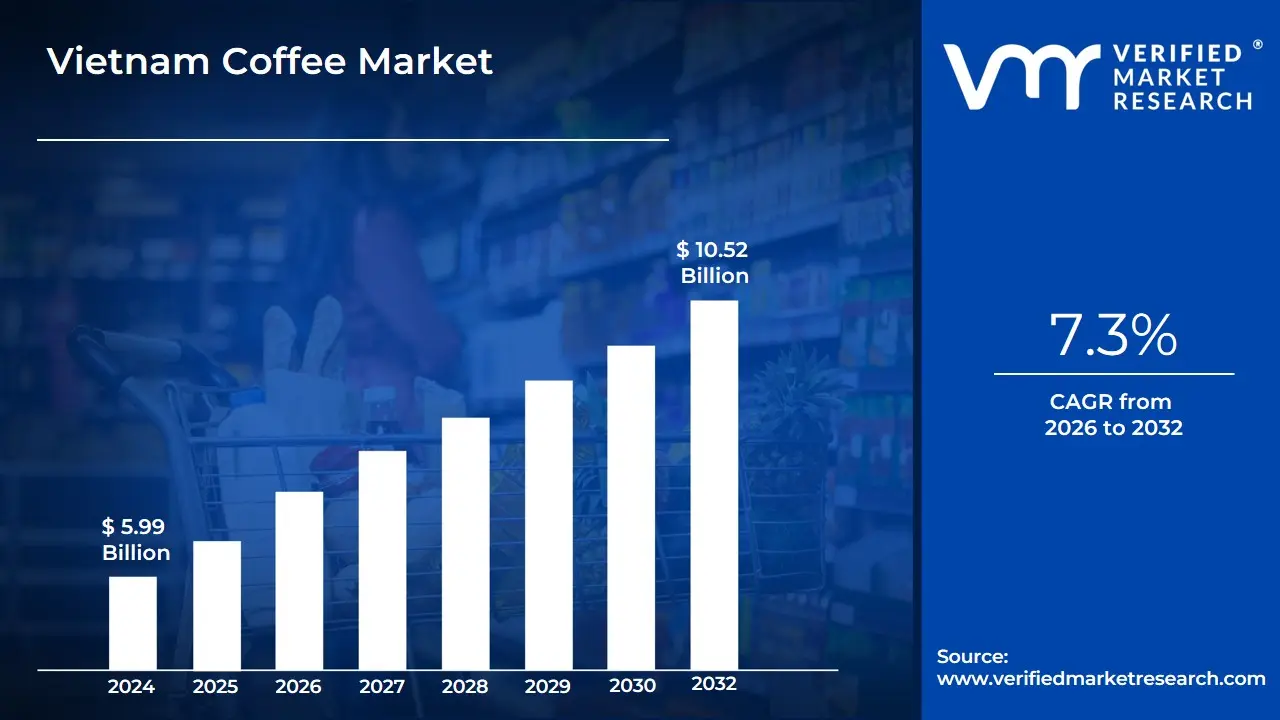
Vietnam Coffee Market Valuation (Source: Verified Market Research)
This domestic growth matters for the specialty story specifically because it’s created a testing ground: Vietnamese roasters can build and refine specialty products for a growing local market of hospitality venues and specialty cafés before scaling toward export, a development path that wasn’t really available a decade ago when the domestic market was overwhelmingly commodity-focused.
Where the Industry Stands Now
Vietnam today has a genuinely bifurcated coffee industry. The commodity track remains enormous, still supplying the bulk of the world’s robusta for instant coffee and mass-market blends, and continuing to grow in raw volume. Alongside it, a specialty track has matured from a handful of pioneering roasters into a recognized segment with its own grading standards, certification infrastructure, trade advantages, and a genuine population of specialty coffee suppliers and exporters capable of meeting the traceability, documentation, and consistency requirements that international specialty buyers expect.
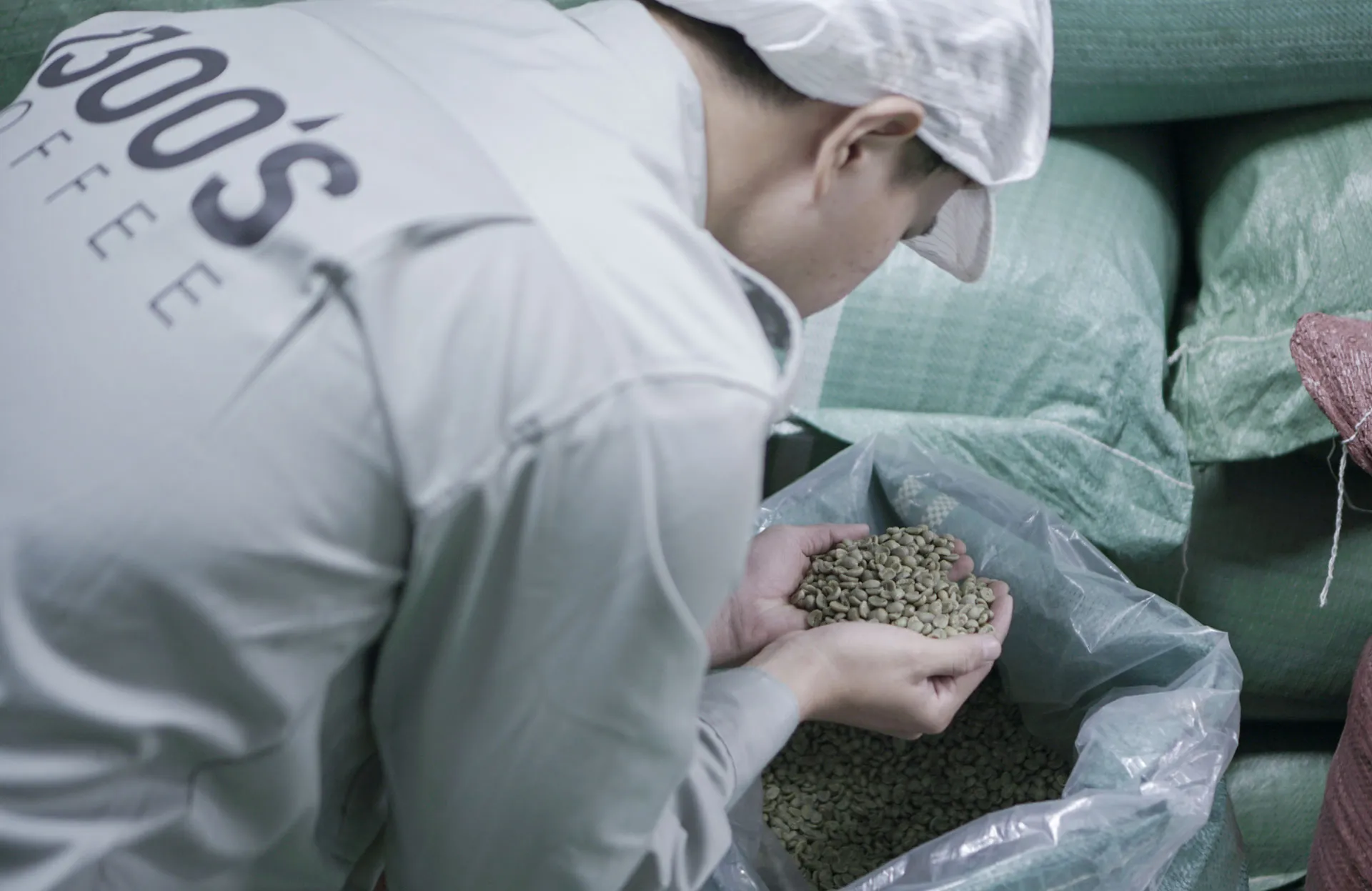
Vertically integrated producers working directly with farmers in high-altitude regions, including operations like 1300’S Coffee in the Kon Tum highlands, represent a meaningful part of this second track: companies built from the outset around specialty grade quality and export documentation, rather than commodity operations adding a specialty line as an afterthought. For international buyers evaluating a specialty coffee company for the first time, understanding this split, and which side of it a potential supplier actually sits on, is one of the more useful lenses for narrowing a sourcing decision.
Getting Started
Buyers exploring Vietnam’s specialty coffee industry for the first time should expect real variation in quality, documentation, and traceability between suppliers, even within the specialty segment itself, and should evaluate each potential partner against cupping data, certifications, and export history rather than assuming the country-level quality shift applies uniformly to every exporter. Interested in sourcing from a specialty producer built around this shift from the ground up? Request a sample from 1300’S Coffee to see what Vietnam’s specialty segment looks like at the origin level.
Read more: Why Global Coffee Brands Source Specialty Coffee from 1300’S Coffee


1300s BLOG YOU MAY ALSO BE INTERESTED IN
How to Import Coffee to the USA Requirements Duties and Process
Why Global Coffee Brands Source Specialty Coffee from 1300’S Coffee
How to Source Coffee Beans A Practical Guide for First Time Buyers