


Why Vietnam Is Becoming a Global Specialty Coffee Origin
Buyers building a sourcing strategy tend to default to familiar origins: Ethiopia and Colombia for arabica, Brazil for volume, Indonesia for processed varietals. Vietnam rarely made that shortlist for specialty buyers until recently, despite being the world’s second-largest coffee producer overall. That’s changing, and not for a single reason. This piece looks at the specific factors making Vietnam a genuine consideration for specialty sourcing decisions today, rather than just a commodity fallback.
Altitude and Regional Diversity Most Buyers Underestimate
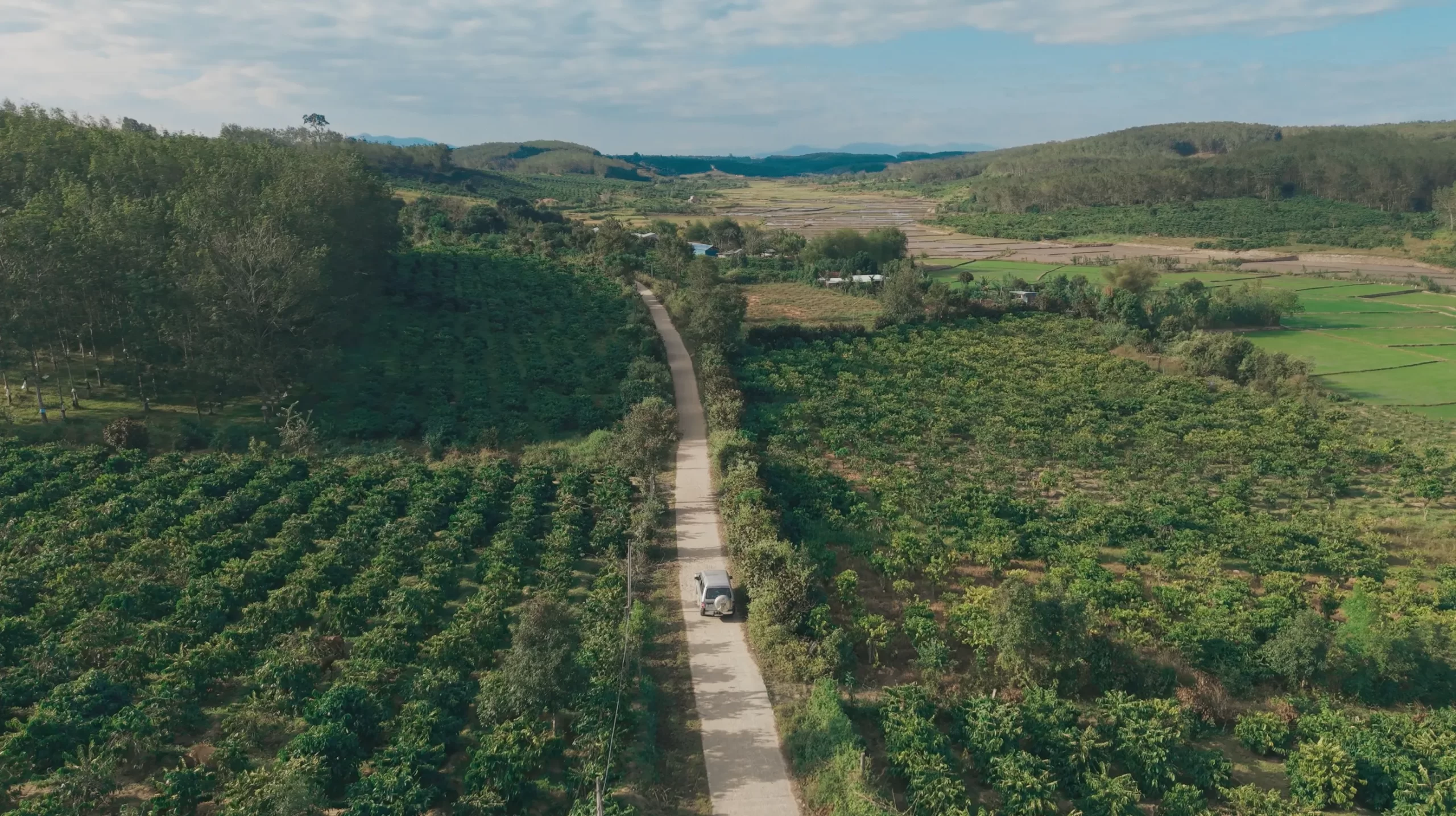
Vietnam’s coffee-growing regions are more varied than the country’s robusta-dominant reputation suggests. The Central Highlands provinces, Dak Lak, Gia Lai, Dak Nong, Lam Dong, and Kon Tum, span a wide altitude range, and higher-elevation zones within this belt, including areas around Da Lat, Son La in the north, and the Kon Tum highlands at elevations near 1,300 meters, produce arabica and fine robusta lots with meaningfully different flavor characteristics than the lowland commodity crop most buyers associate with the country.
Altitude and Regional Diversity Most Buyers Underestimate
This regional diversity is part of why a specialty coffee supplier sourcing from a single high-altitude region can offer genuinely differentiated flavor profiles, brighter acidity, more complex body, distinct fermentation notes, that don’t fit the flat, bulk-blend expectation many buyers still carry about Vietnamese coffee. Origin diversity within one country is a practical advantage for buyers who want single-origin specialty options without managing logistics across multiple countries.
Robusta Quality Has Genuinely Improved, Not Just Been Rebranded
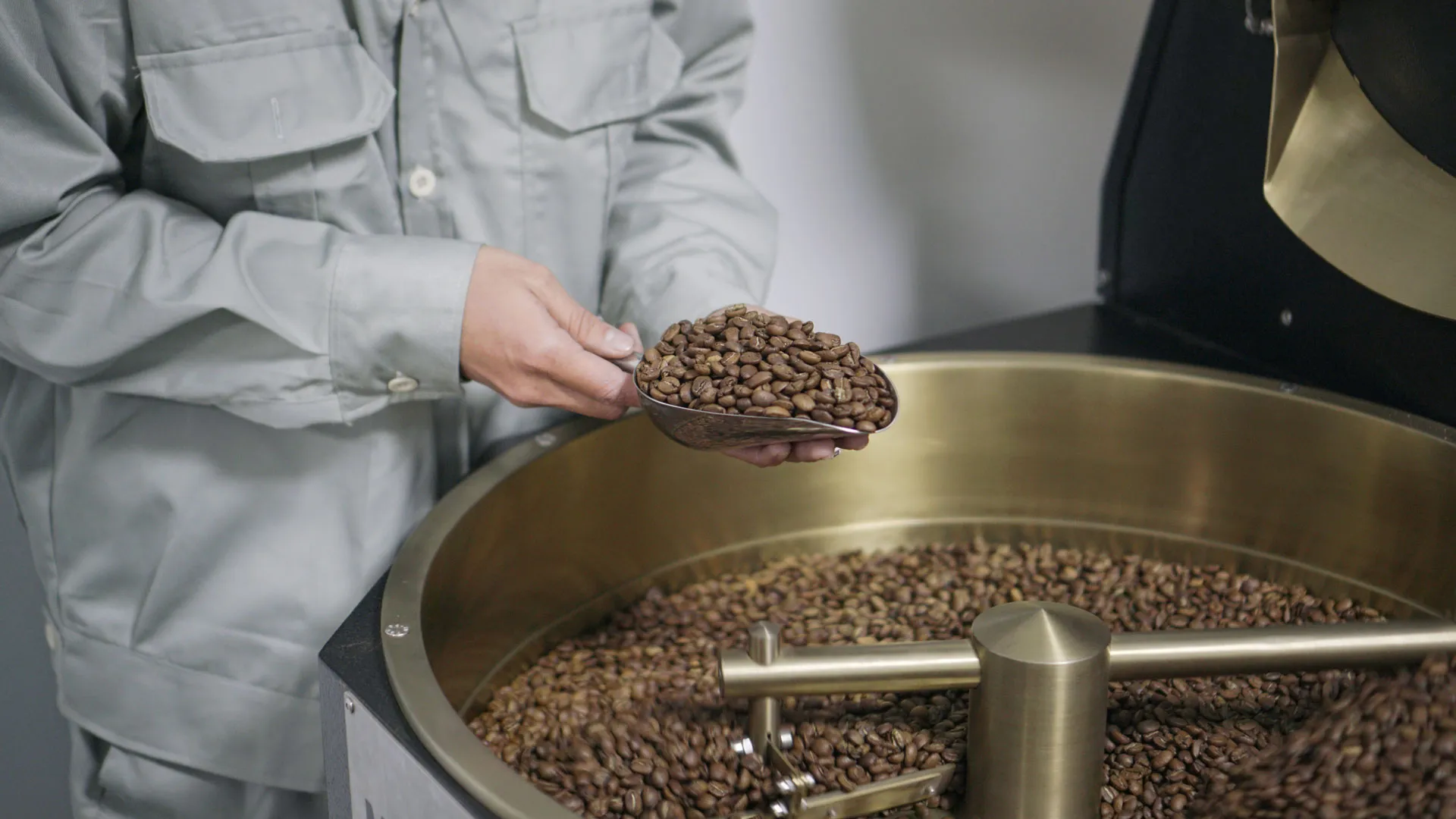
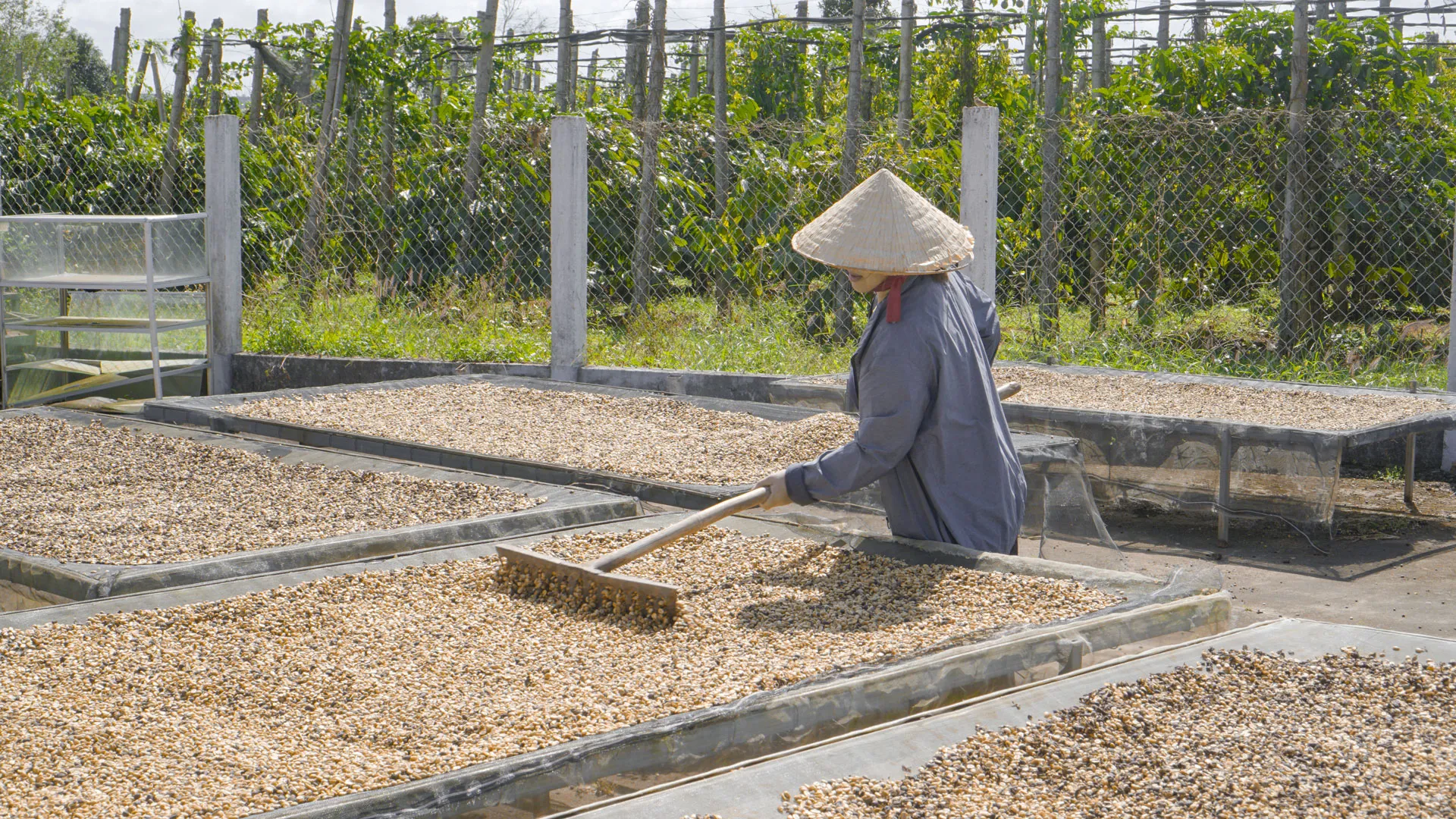
A fair amount of skepticism from international buyers about “specialty robusta” is reasonable, since the term has been used loosely in the past. What’s different in Vietnam now is that the quality improvement is measurable rather than purely a marketing shift. Careful harvesting practices, controlled fermentation, and processing methods including natural, honey, and anaerobic processing have produced Fine Robusta lots that perform meaningfully differently in the cup than commercial grade robusta, and the market has responded accordingly: domestic robusta prices in Vietnam surpassed arabica prices for the first time in 2024, a shift that reflects real quality-driven demand rather than a temporary anomaly.
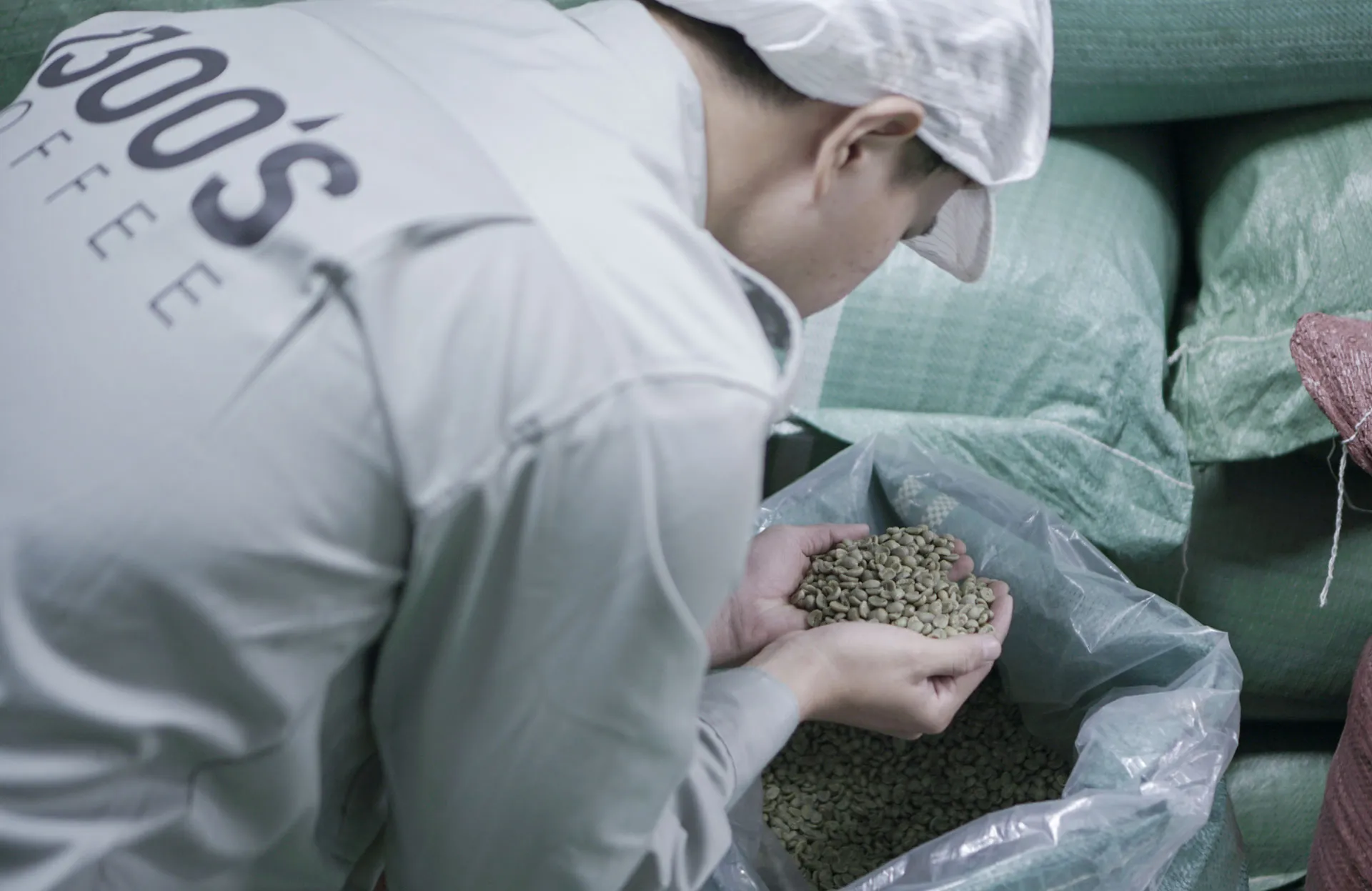
For buyers building espresso blends, cold brew formulations, or robusta-forward filter offerings, this shift matters directly. Vietnam is now a source of robusta that gourmet coffee suppliers can evaluate and purchase with the same lot-level scrutiny historically reserved for arabica, using the same grading conventions, including Vietnam’s national standard TCVN 4193:2014 and the ISO 10470 defect classification table.
Certification and Compliance Infrastructure Has Caught Up to Global Requirements
Sourcing decisions increasingly hinge on compliance capability, not just flavor. Vietnam has made concrete progress here that changes the risk calculation for buyers, particularly those shipping into the EU. In May 2025, the European Union classified Vietnam as a “low-risk” country under the EU Deforestation Regulation, allowing Vietnamese coffee exports to move through a simplified due diligence process rather than the more intensive review applied to higher-risk origins. That classification followed direct investment from Vietnam’s Ministry of Agriculture, supported by international partners, in a national database tracking forest and coffee-growing areas specifically to meet EUDR traceability requirements.
Roughly 40% of Vietnam’s coffee-growing area now carries recognized sustainability certifications, including Rainforest Alliance, Fairtrade, 4C, and UTZ, a substantial jump from where certification coverage stood even a few years ago. For a specialty coffee company, or speciality coffee company as UK and EU buyers often spell it, evaluating origins based on how much compliance work a sourcing relationship will require, Vietnam’s trajectory here is a genuine differentiator relative to origins where traceability infrastructure remains inconsistent.
Trade Agreements Have Made Vietnamese Coffee More Price-Competitive
The EU-Vietnam Free Trade Agreement reduced import duties on Vietnamese coffee entering the EU, the world’s largest specialty coffee market, to zero, while also protecting 39 Vietnamese geographical indications, including Buon Ma Thuot coffee, from being used by non-Vietnamese producers. Combined with the EUDR low-risk classification, Vietnam now carries fewer trade and compliance frictions into the EU than several competing origins, which matters directly to landed cost calculations for European specialty roasters and importers.
Production Scale Reduces Supply Risk Compared to Smaller Origins
Specialty buyers sourcing from smaller origin countries often face real supply constraints: a poor harvest in a single small-producing country can meaningfully disrupt availability. Vietnam’s scale works differently. Total coffee production is forecast to reach roughly 32.5 million 60-kilogram bags in the 2026/27 marketing year, giving the country substantial production depth even as specialty-grade output remains a smaller slice of that total. For a buyer building a long-term sourcing relationship rather than a one-off purchase, this scale reduces the risk that a single bad season eliminates supply entirely, a genuine advantage over origins with far smaller total production bases.
Production Scale Reduces Supply Risk Compared to Smaller Origins
What This Means for Buyers Evaluating Vietnam as an Origin Today
Taken together, these factors, regional and altitude diversity, measurable quality improvement in robusta, compliance infrastructure that now includes an EUDR low-risk classification, favorable trade terms into the EU, and production scale that reduces supply risk, explain why Vietnam has moved from a commodity fallback to a genuine specialty sourcing consideration for buyers willing to look past the country’s bulk-robusta reputation.
The practical implication for a buyer building a sourcing strategy is that Vietnam now supports the same kind of specialty coffee suppliers relationship available from more established specialty origins: direct farm sourcing, lot-level cupping and grading, certification documentation, and increasingly sophisticated compliance support. What differs is that this infrastructure is newer and less evenly distributed across exporters, which makes supplier evaluation, rather than skepticism about the origin itself, the more useful filter for a buyer building a coffee specialty wholesale program with Vietnamese beans.
Vertically integrated producers working from Vietnam’s higher-altitude regions, including operations based in the Kon Tum highlands like 1300’S Coffee, sit at the center of this shift: companies built specifically to combine the regional and quality advantages described above with the traceability and certification documentation international buyers now expect as standard.
Getting Started
Buyers evaluating Vietnam as a specialty origin for the first time should request cupping samples from a specific region and processing method rather than a generalized “Vietnamese coffee” sample, and should confirm a supplier’s EUDR traceability data and certification status directly rather than relying on the country’s overall low-risk classification alone. Considering Vietnam as a specialty sourcing origin? Request a sample from 1300’S Coffee’s Kon Tum highlands to evaluate the region firsthand.


1300s BLOG YOU MAY ALSO BE INTERESTED IN
Why Is Vietnamese Coffee So Good What Makes the Flavor Distinct
Top 5 Wholesale Instant Coffee Suppliers for Importers & Distributors
How to Say Coffee in Vietnamese: A Founder’s Guide to Origin, Science, and Sourcing