


Why Global Coffee Brands Source Specialty Coffee from 1300’S Coffee
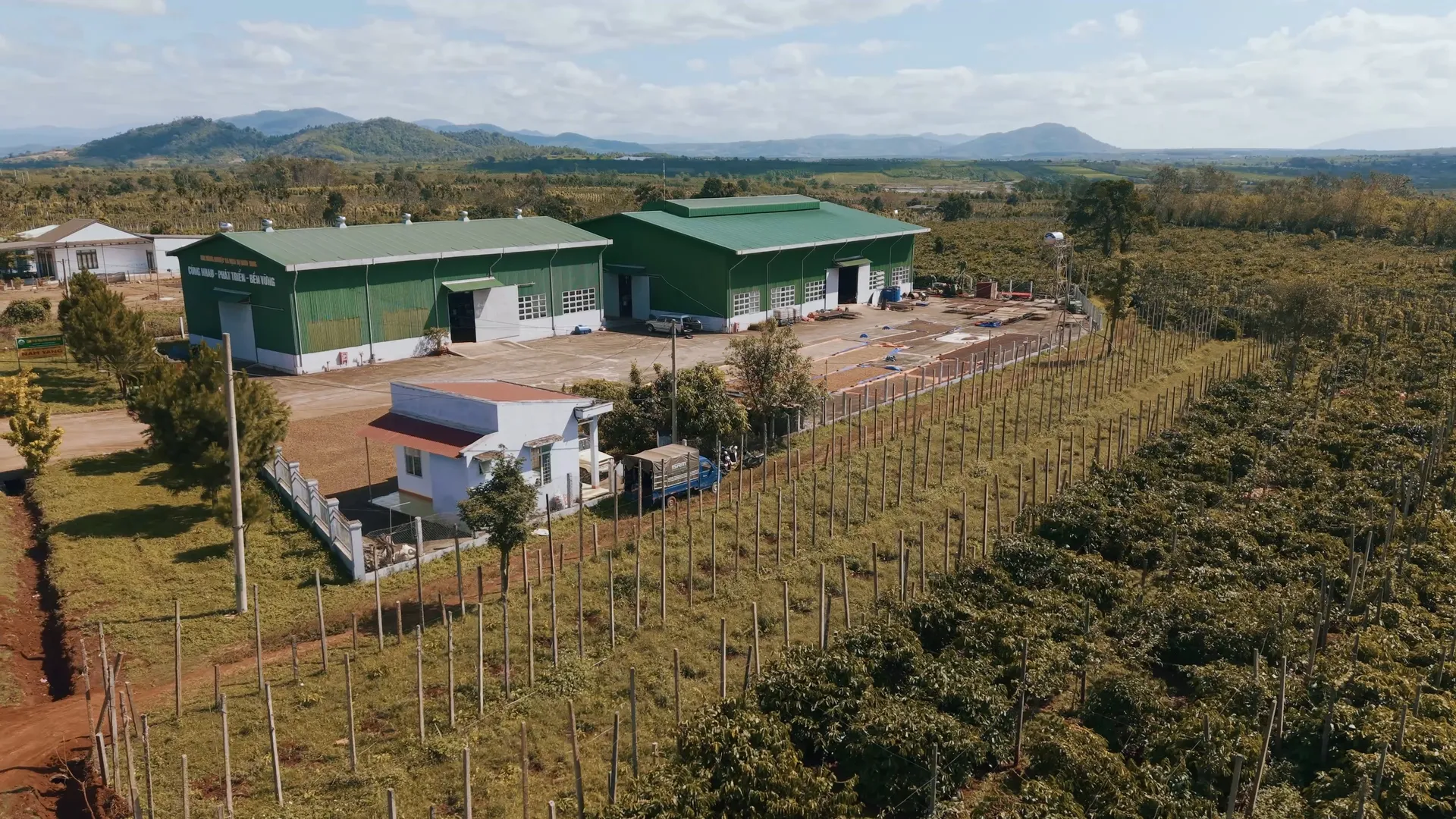
International coffee brands rarely choose a sourcing partner based on a single factor. A roaster might have excellent flavor but weak documentation. An exporter might have certifications but no real involvement in how the coffee was grown. What tends to convince a brand to commit to a long-term relationship with a specialty coffee supplier is the combination: consistent quality backed by traceable sourcing, certifications that hold up at customs, and enough production flexibility to support a brand’s specific packaging and formulation needs rather than a one-size offering. This article looks at the specific reasons coffee brands, importers, and private label businesses choose to work with 1300’S Coffee, and what that decision actually depends on.
Vertical Integration Removes a Layer of Uncertainty
Most coffee reaching international buyers passes through several hands: a farmer, a collector or cooperative, a processor, and often a separate trading company before it reaches an exporter. Each handoff introduces a point where quality data can get lost, where a lot from one farm gets blended with lots from elsewhere, and where a brand loses the ability to say with confidence where its coffee actually came from.
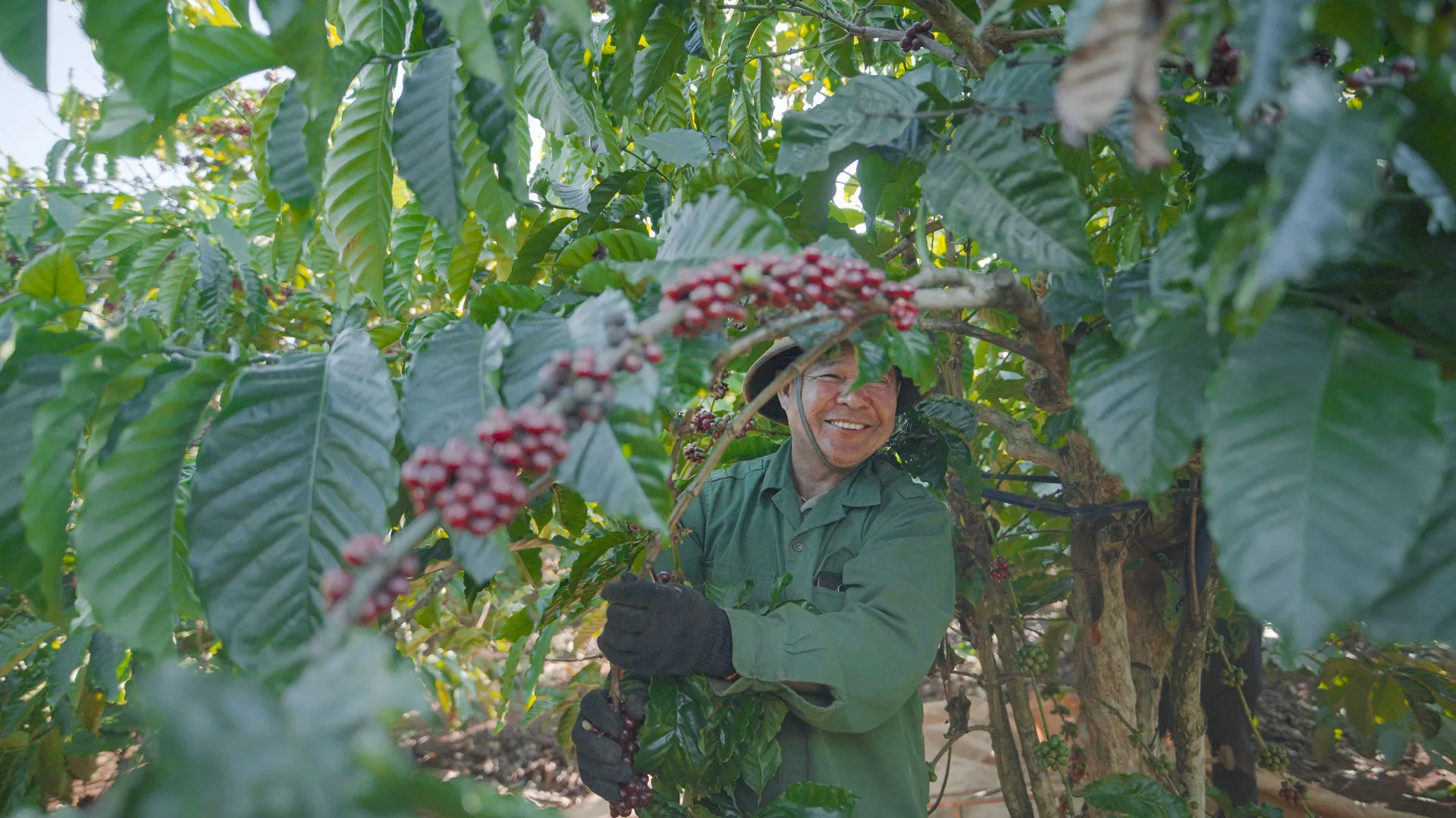
1300’S Coffee works directly with farming partners in the Mang Den highlands of Kon Tum province
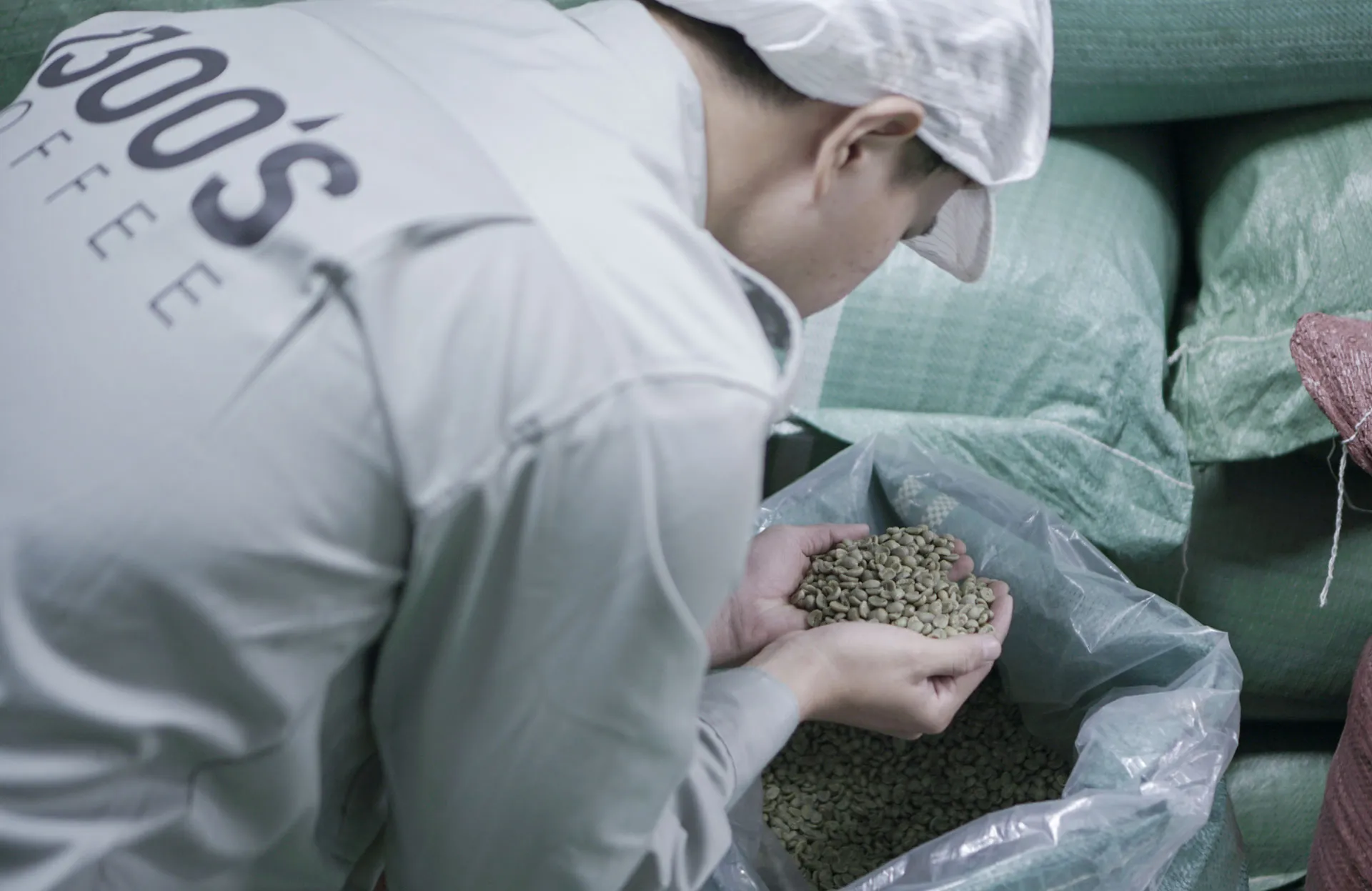
1300’S Coffee works directly with farming partners in the Mang Den highlands of Kon Tum province, controlling sourcing, processing, and roasting under one structure rather than assembling supply from a cooperative network or trading intermediary. For a global brand, this matters in two concrete ways. First, quality control decisions happen closer to the farm, which tends to produce more consistent cupping results across batches. Second, when a brand needs to answer a retailer’s or regulator’s question about where a specific lot originated, the answer comes from a single point of contact rather than a chain of separate parties.
Certifications That Hold Up at Customs
A specialty coffee supplier can claim high standards, but what actually clears a shipment through customs and satisfies a retail partner’s compliance team is documentation. 1300’S Coffee holds ISO 22000, HACCP, FDA registration, and OCOP certification, covering the food safety and export documentation baseline that most international buyers require before they’ll even begin a serious conversation about volume.
This matters more than it might initially seem. Brands that have been burned by a supplier whose certifications turned out to be outdated, informal, or not recognized in the destination market tend to treat certification verification as a non-negotiable first step in any new sourcing relationship, and it’s one of the more common reasons a promising-looking supplier gets dropped from a shortlist before pricing is even discussed.
Quality Control Through an In-House Lab
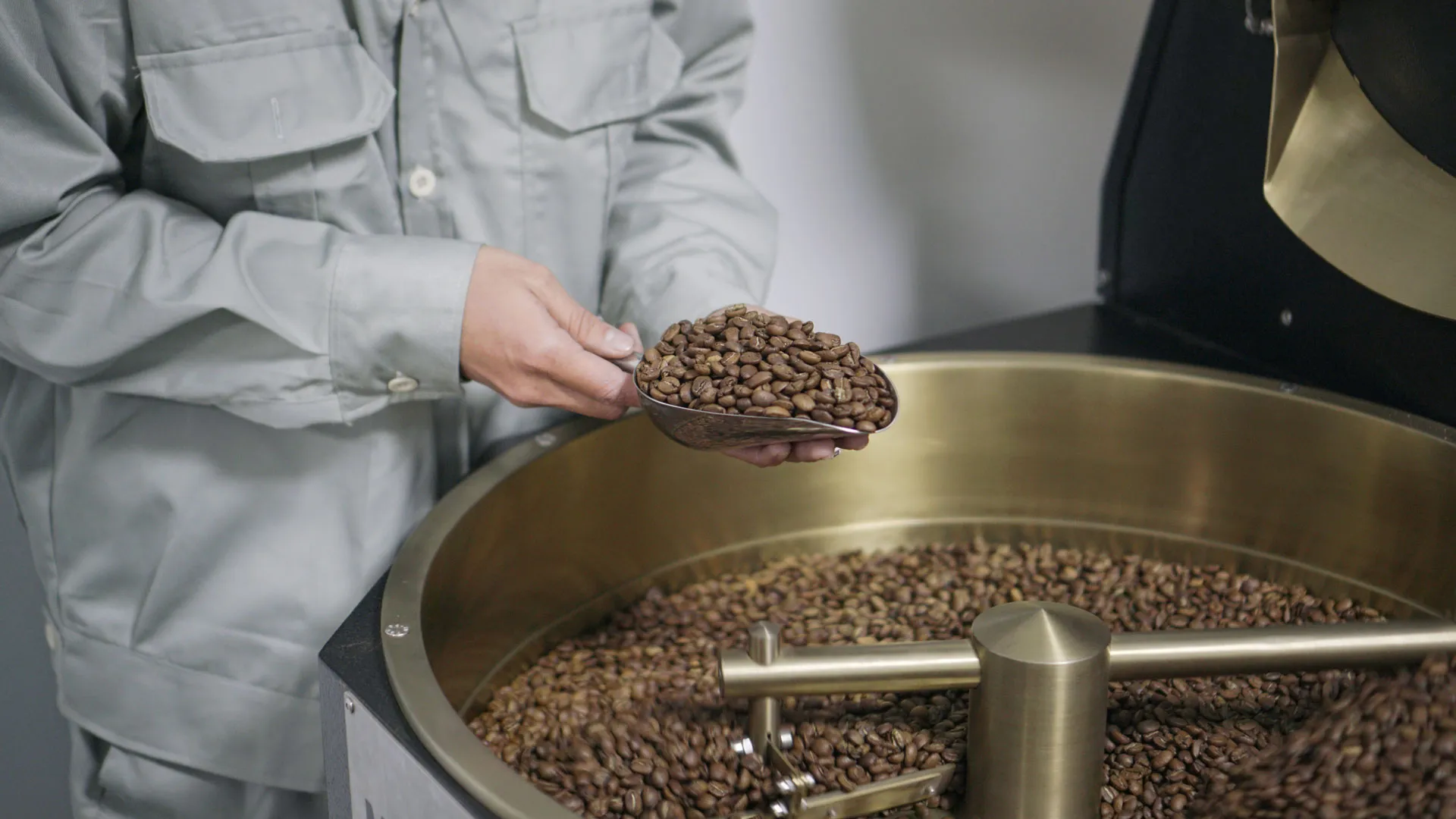
Cupping and grading are only as reliable as the process behind them. 1300’S Coffee runs quality control through an in-house lab rather than relying solely on external testing or a supplier’s own informal assessment, which allows cupping data, defect counts, and moisture readings to be checked at multiple points in the process rather than only once before shipment.
For a gourmet coffee suppliers relationship where a brand is building a specific flavor profile, whether for a signature espresso blend or a single-origin filter offering, this level of internal quality control is what makes a roast profile repeatable order after order, rather than something that has to be re-approved from scratch every time.
Production Flexibility for Private Label and OEM Partners
Large commodity exporters are built for volume, and that scale often comes with limited appetite for smaller, highly customized orders. Brands building a private label line, launching a new blend, or testing a market before committing to container-scale volume need a different kind of partner, one able to configure a production run around a specific formulation, packaging format, and order size rather than fitting the brand into an existing fixed product line.
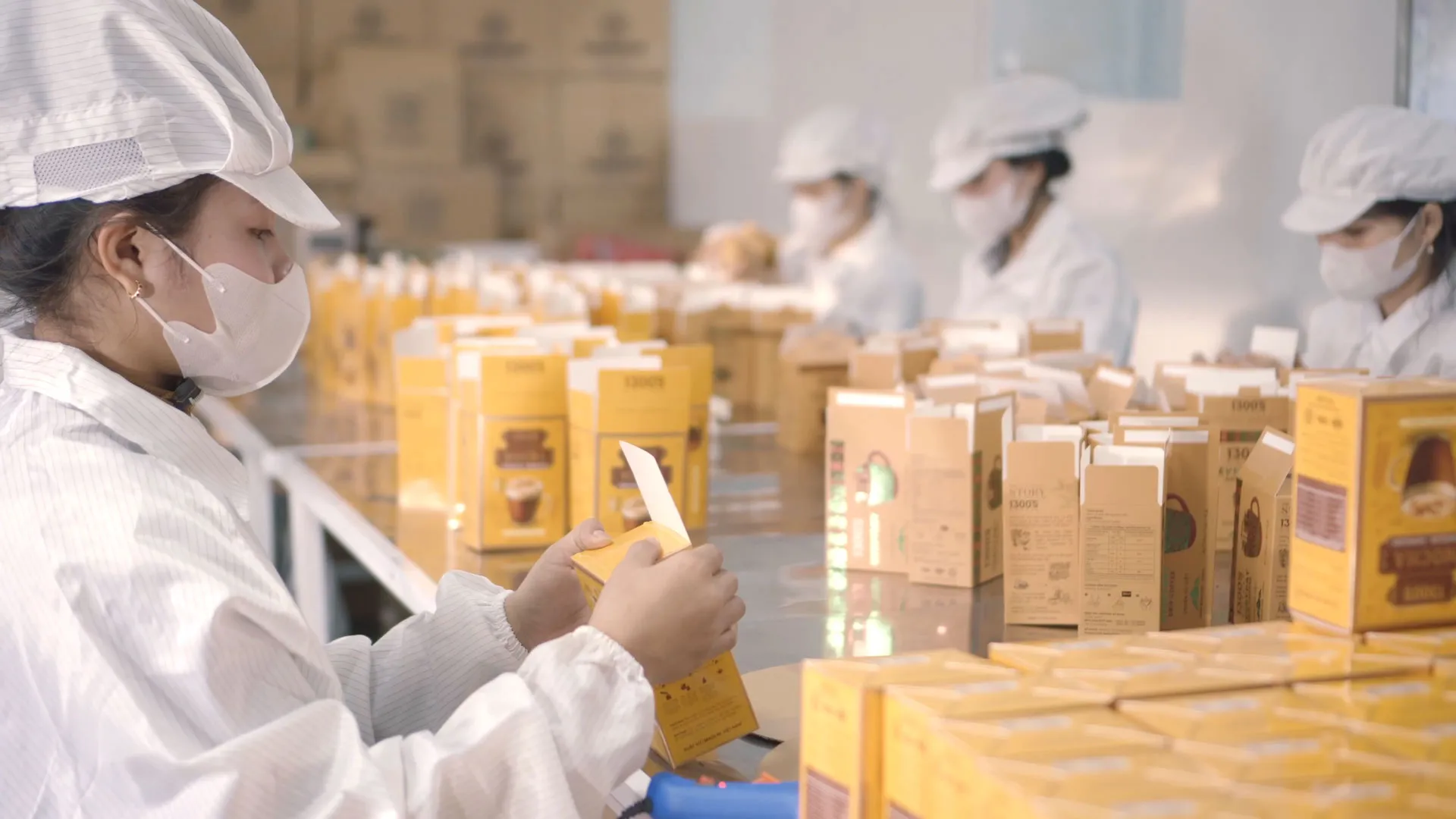
Production Flexibility for Private Label and OEM Partners
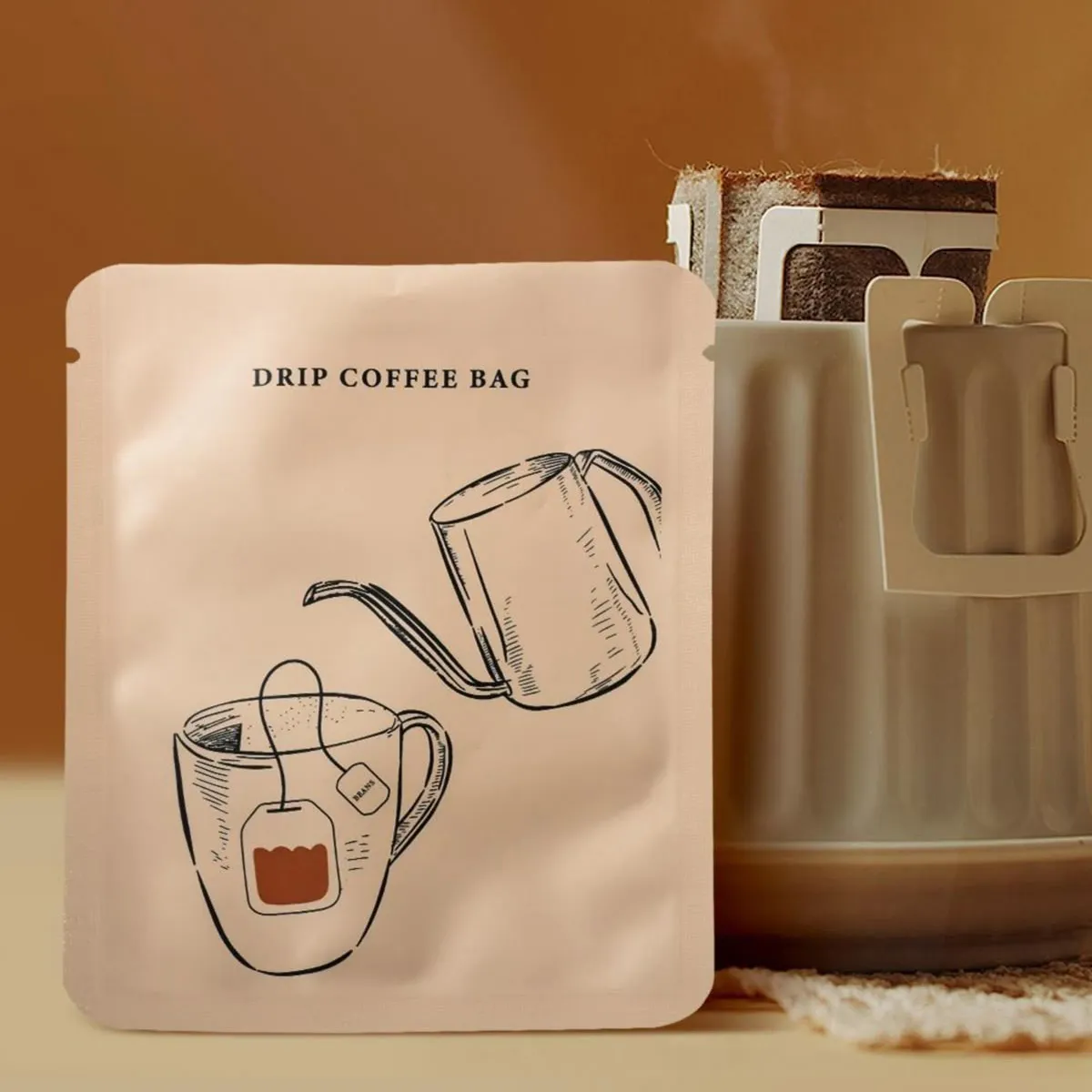
This is where 1300’S Coffee’s structure as a smaller, vertically integrated specialty coffee company works in a brand’s favor. Because sourcing and production sit under the same operation, adjustments to a roast profile, packaging format, or blend ratio don’t require renegotiating with a separate green bean supplier or a separate roasting facility. Brands building specialty coffee wholesale programs, whether for retail, hospitality, or e-commerce channels, get a single point of coordination for the entire process.
Direct Access to the Origin
Many international buyers, especially those building a story-driven brand around origin and traceability, want more than documentation, they want to see the source themselves before committing to a long-term relationship. 1300’S Coffee runs a farm tour program in Kon Tum specifically for this purpose, giving brand owners, importers, and distributors the opportunity to visit growing plots, processing stations, and the roasting facility directly rather than relying entirely on photos and paperwork.
This kind of access also has a practical sourcing benefit beyond brand storytelling. Buyers who visit the origin firsthand are better positioned to ask specific, informed questions about processing methods, harvest timing, and quality control, which tends to produce a stronger working relationship once the account moves into regular ordering.
What This Looks Like for Different Types of Buyers
The reasons brands choose 1300’S Coffee tend to cluster around a few recurring buyer profiles:
- Private label and OEM brands value the ability to develop a custom blend or roast profile without committing to container-scale minimum orders from the outset.
- Café chains and hospitality groups value consistency across batches and the option to adjust order volume as new locations open.
- Importers and distributors value the certification documentation and traceability data that reduce friction at customs and satisfy retail partner compliance requirements.
- Specialty retailers and e-commerce brands value the origin story and farm tour access that supports authentic marketing content, backed by real sourcing data rather than a generic origin claim.
Getting Started
Brands evaluating 1300’S Coffee as a specialty coffee supplier typically start the same way regardless of buyer type: requesting a cupping sample, reviewing certification documentation, and discussing production flexibility for their specific formulation and order size before committing to volume. Curious whether 1300’S Coffee is the right sourcing partner for your brand? Request a sample and a conversation about your specific formulation, packaging, and volume requirements.
Read more: How to Choose a Reliable Speciality Coffee Company for International Buyers


1300s BLOG YOU MAY ALSO BE INTERESTED IN
How Specialty Coffee Is Exported from Vietnam
Coffee Beans Distributors Supplying Roasters and Retailers Across Global Markets
Top Specialty Coffee Suppliers for European Coffee Importers