



How to Evaluate Top Specialty Coffee Roasters Before Importing
Most importers don’t lose money on a bad first shipment because they picked the wrong country to source from. They lose money because they skipped a step while evaluating specialty coffee roasters, usually the sample and documentation stage, and moved straight to a full container based on a strong pitch or an attractive price. This guide breaks the evaluation process down into the checkpoints that actually predict whether a roaster will perform consistently once real volume is on the line.
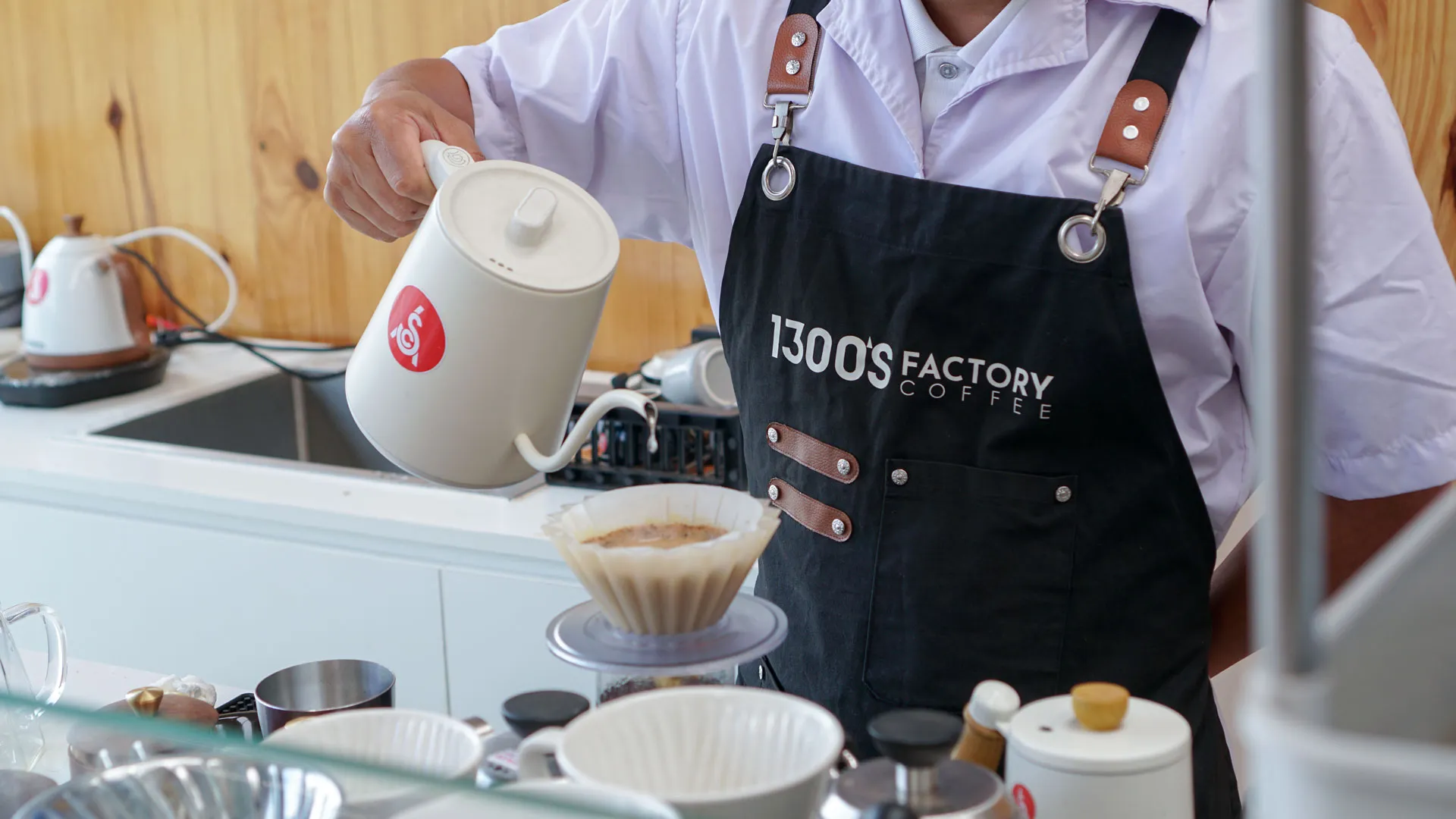
Start With Cupping and Grading, Not Marketing Claims
Every specialty coffee supplier will describe their beans as high quality. The question worth asking is whether they can back that claim with data specific to the lot you’d actually be buying.
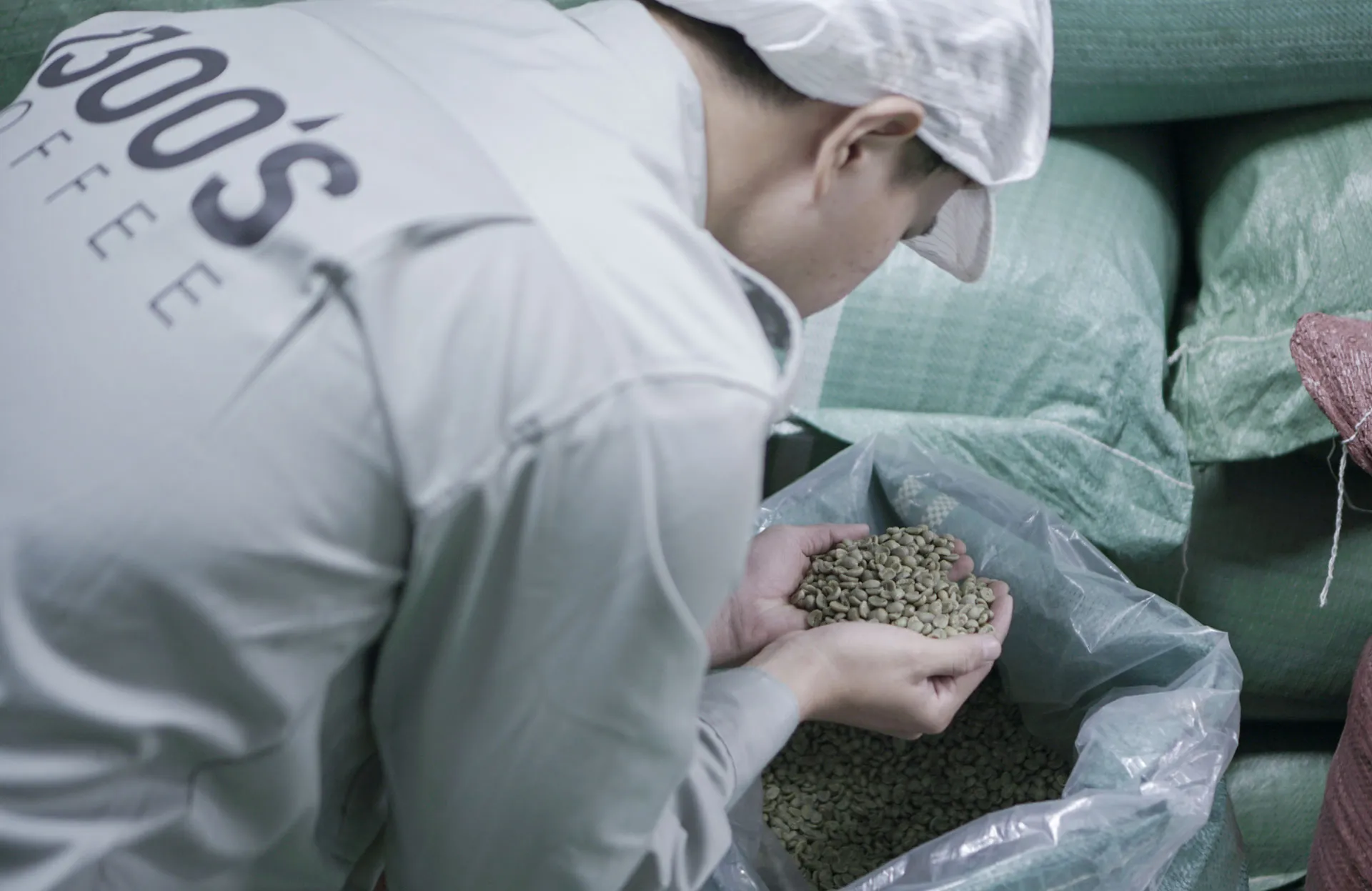
- Ask for cupping scores per lot, not a blanket score applied to an entire harvest or region. Specialty coffee roasters that can only offer general quality assurances, rather than lot-specific cupping sheets, are usually not equipped to guarantee consistency across a large order.
- Request defect counts and screen size distribution. These numbers affect roast consistency and blending performance more than most buyers expect, and a gourmet coffee suppliers claim without this backup data is difficult to verify.
- Confirm the processing method (washed, natural, honey) for each lot, since this affects flavor more than origin alone and should be documented, not assumed from the region.
- Check crop year and current moisture content. Specialty grade coffee loses cup quality faster than commodity grade if it’s been sitting in storage, so a lot described as fresh should have shipment-ready moisture data to match.
Start With Cupping and Grading
Check Certifications That Actually Apply to Your Target Market
Certifications are where many first-time importers get caught out, because a certification that satisfies one market doesn’t automatically transfer to another.
- Confirm accreditation, not just the certificate name. Organic certification entering the EU, for example, is only accepted from certifiers accredited by the European Commission, so a certificate valid domestically or in another market may not clear EU customs.
- Match certifications to your actual regulatory requirements. ISO 22000 and HACCP are close to universal expectations, but Rainforest Alliance, Fairtrade, and organic certification only matter if your specific buyers or retail partners require them.
- Ask how certifications are maintained across batches, not just whether the roaster held one at some point. Certification lapses are more common than buyers assume, particularly with smaller specialty coffee companies scaling quickly.
Assess Traceability, Especially If You’re Importing Into the EU
Traceability has moved from a marketing story to a compliance requirement in several major markets. If you’re importing into the EU, the EU Deforestation Regulation requires a Due Diligence Statement with geolocation coordinates for the specific plots your coffee was grown on, confirming the land wasn’t deforested after December 2020.
- Ask what percentage of a supplier’s growing plots are currently geo-mapped, rather than accepting a general traceability claim. Coverage varies significantly, from large operations with most plots already mapped to smaller exporters working through cooperative networks where coverage is inconsistent.
- Vertically integrated roasters, those working directly with farmers rather than through intermediary cooperatives, typically have this data more readily available, since they control the sourcing relationship end to end rather than aggregating from multiple third parties.
- If you’re not importing into the EU yet, ask anyway. Regulatory requirements around traceability are expanding beyond Europe, and a specialty coffee supplier that already tracks this data is better positioned to adapt than one that doesn’t.
Evaluate Batch Size, MOQ, and Production Flexibility
The best specialty coffee roasters for a large retail chain are rarely the same ones best suited to a small independent brand, and matching production scale to your actual order size prevents two common problems: paying premium boutique pricing for volume you don’t need, or being unable to get a small enough order from a supplier built for container-scale shipments.
- Ask for minimum order quantities by product type, since MOQs for green beans, roasted whole bean, and private label finished products often differ significantly within the same company.
- Clarify whether roast profiles are logged and repeatable, or dependent on a single roaster’s judgment each cycle. Documented, repeatable profiles matter more as order volume increases.
- Ask directly about private label and custom blend capability if that’s part of your sourcing goal, since not every specialty coffee company that roasts well is set up to also manage packaging design, labeling, and multiple SKUs.
Request Samples and Run a Trial Order Before Scaling
This step gets skipped more often than any other in the evaluation process, usually under time pressure or because a supplier’s reputation feels like sufficient proof on its own.
- Request a sample lot that matches what a full order would actually contain, not a curated best-case sample unrelated to the bulk product.
- Cup the sample against your own quality bar, independent of the score the supplier provides.
- Place a trial order before committing to a full container, particularly with a newer relationship, since consistency across batches is what a single sample can’t verify.
- Confirm Incoterms, lead times, and documentation turnaround during the trial order, since these logistics details are as likely to cause problems as the coffee quality itself.
Red Flags That Signal a Roaster Isn’t Actually Export Ready
A few warning signs tend to separate specialty coffee roasters that are genuinely built for export from those that are excellent domestically but not yet ready for international shipment:
- Vague or evasive answers when asked for certification numbers or accreditation bodies, rather than direct documentation
- No clear answer on current geolocation or traceability coverage
- Inconsistent cupping scores between samples and the eventual bulk shipment
- No prior export history to markets with strict requirements, or unwillingness to provide references
- Pricing significantly below comparable specialty coffee suppliers with no clear explanation, which often signals a quality or compliance shortcut somewhere in the chain
Where a Vertically Integrated Supplier Fits Into This Process
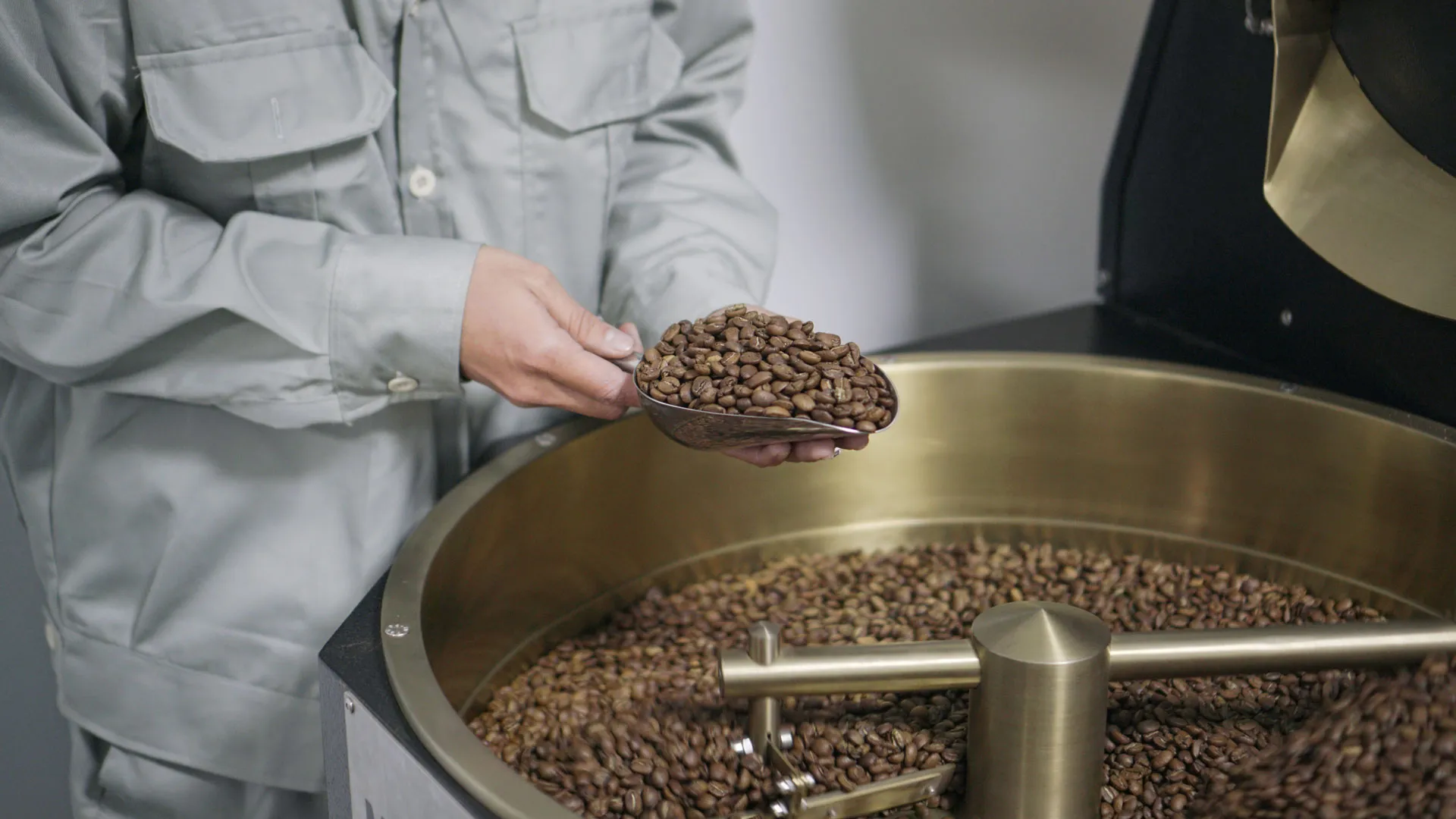
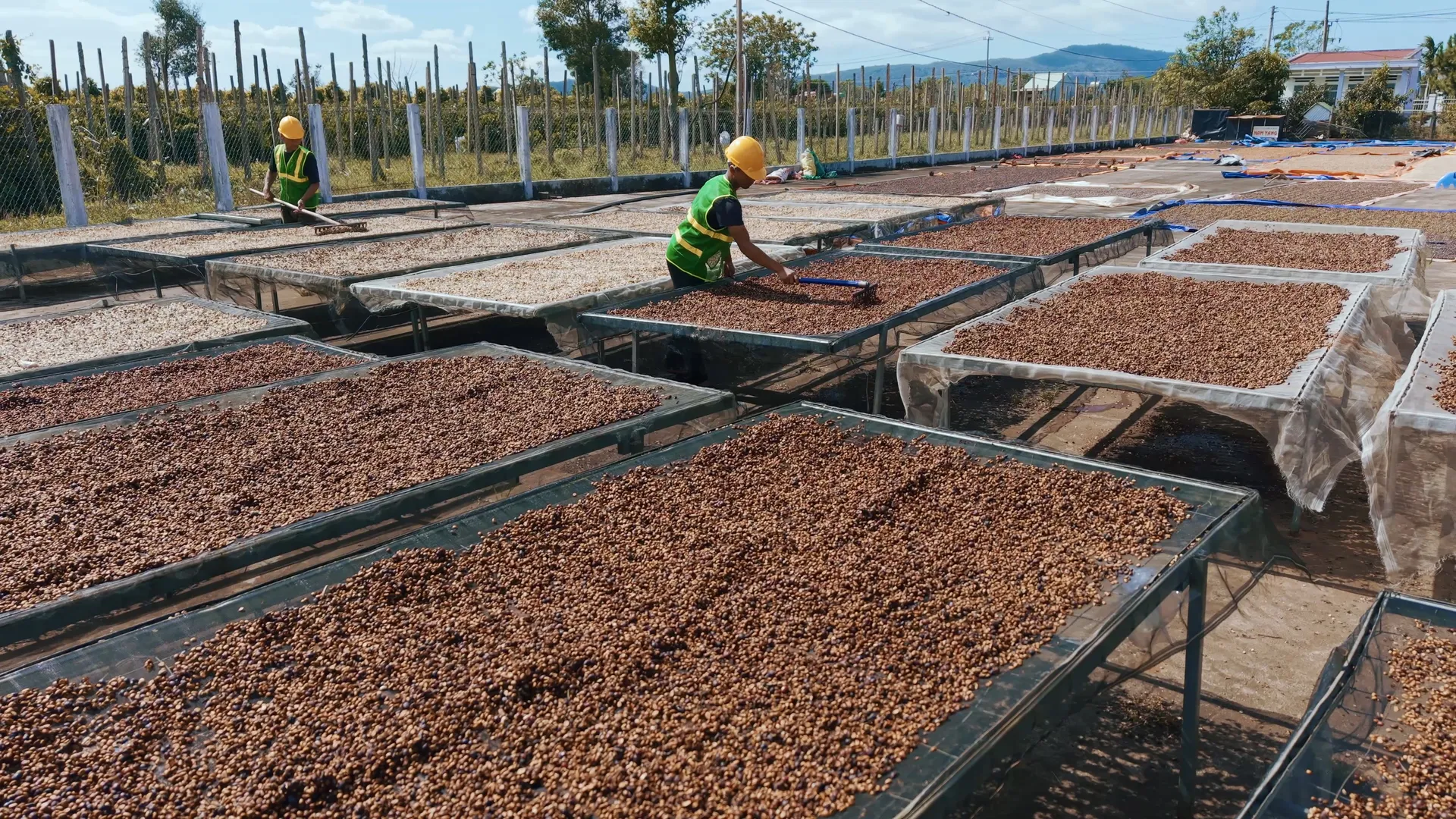
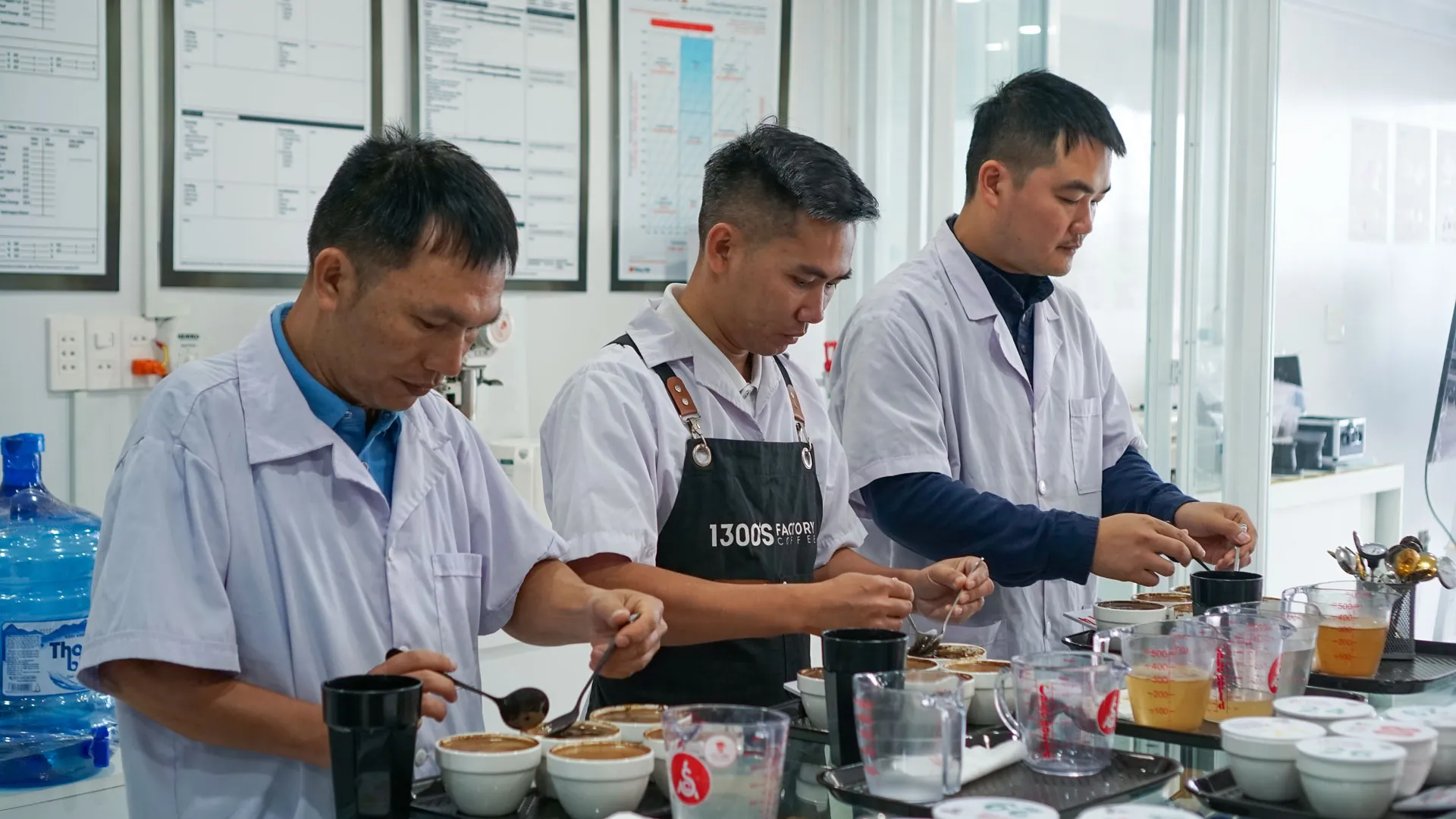
Buyers who prioritize traceability and batch-level consistency tend to find the evaluation process moves faster with a vertically integrated producer, since sourcing, processing, and quality control sit under one roof rather than being split across a cooperative network or trading intermediary. 1300’S Coffee, based in the Mang Den highlands of Kon Tum province, works directly with farming partners, manages quality control through an in-house lab, and holds ISO 22000, HACCP, and FDA certifications, which covers most of the checkpoints outlined above from a single source. Buyers can also verify sourcing firsthand through the company’s Kon Tum farm tour program rather than relying solely on documentation.
1300’S Coffee Manages Quality Control Through Its In-House Lab
Run This Evaluation Against 1300’S Coffee
The checklist in this guide is meant to be applied, not just read. 1300’S Coffee is a reasonable place to start that process: request lot-specific cupping scores rather than a general quality claim, ask directly what percentage of its Kon Tum growing plots are geo-mapped, and confirm certification numbers for ISO 22000, HACCP, and FDA registration rather than taking the certifications at face value. Because sourcing and processing sit under one roof at 1300’S Coffee, most of these answers come from a single point of contact instead of being split across a trading intermediary and a separate cooperative network, which tends to shorten the evaluation timeline for buyers working through the steps above.
Ready to put 1300’S Coffee through this evaluation process? Request a sample lot, cupping data, and certification documentation to compare directly against the criteria in this guide.
Getting Started
Work through cupping data, certification accreditation, traceability coverage, and a trial order before committing to volume with any specialty coffee supplier. The evaluation process takes longer up front, but it’s considerably cheaper than discovering a compliance or consistency problem after a full container has already shipped.
Read more: The Complete Guide to Choosing Gourmet Coffee Suppliers for Coffee Brands and Importers


1300s BLOG YOU MAY ALSO BE INTERESTED IN
How to Say Coffee in Vietnamese: A Founder’s Guide to Origin, Science, and Sourcing
Where Is Coffee Imported From Top Exporting Countries by Volume
1300’S Coffee Hosts Visitors for a Tour of Its Kon Tum Factory