


Why 1300’S Coffee Is the Green Bean Coffee Supplier You Need to Know
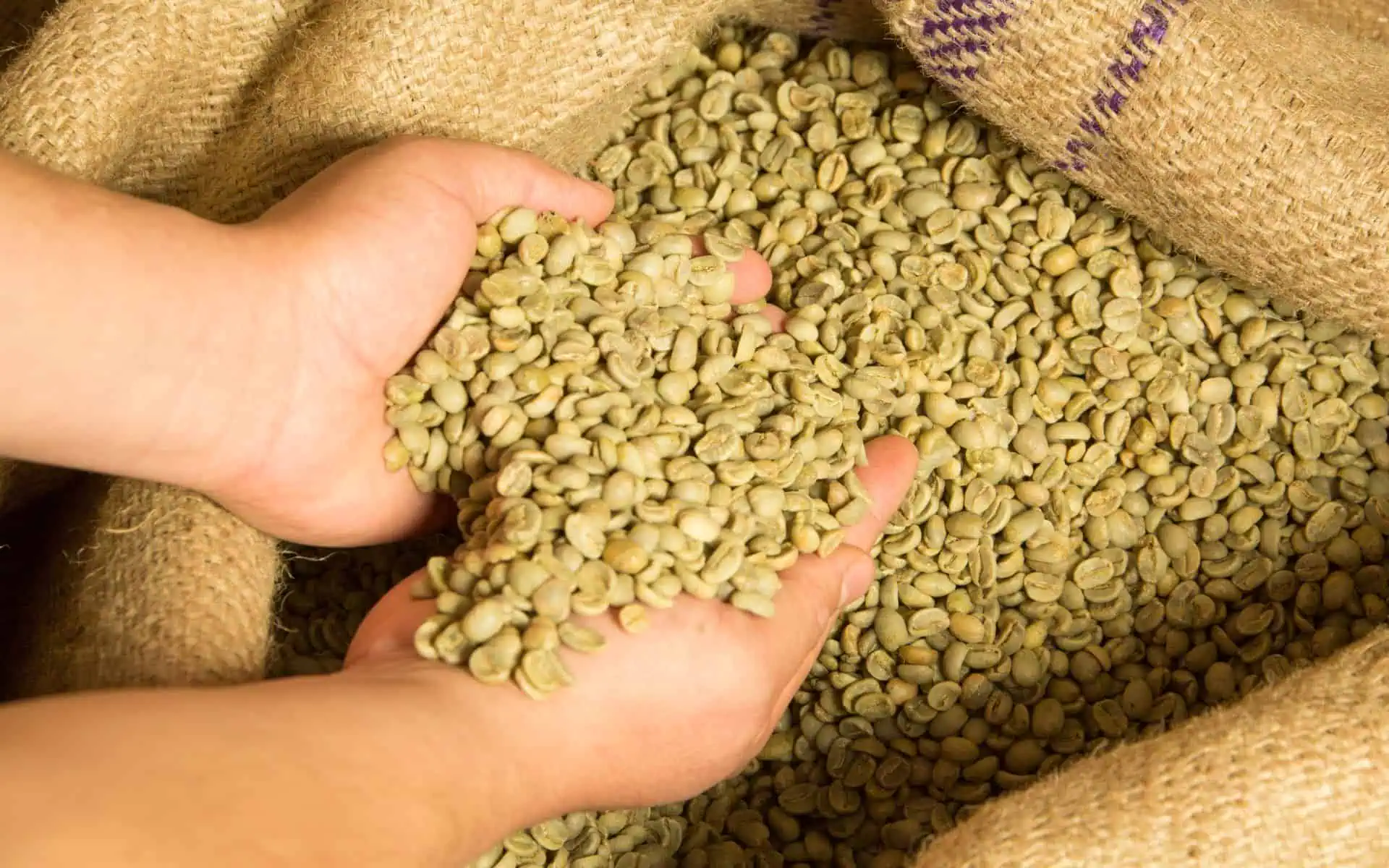
Most buyers searching for a green bean coffee supplier begin with the same short list of questions about price, minimum order quantity, and shipping time, and only discover later that those answers say very little about how a lot will actually behave once it reaches the roaster. What decides that outcome is the long chain of decisions made months earlier, in the soil, in the fertilizer program, and at the moment the cherries are picked. It is also the part of the supply chain that most suppliers explain the least. 1300’S Coffee has built its entire approach around exactly that part. This guide explains how coffee is managed from the soil through to harvest, how the farm’s output and stock are published openly, and why that level of transparency changes what a buyer can reasonably expect from a green coffee relationship.
What Buyers Should Expect From a Green Bean Coffee Supplier
Before looking at any single company, it helps to be clear about what a serious green coffee relationship should include beyond a price per kilogram. Two expectations matter more than almost any others, and both are surprisingly uncommon in practice.
Traceability That Goes Deeper Than a Country Label
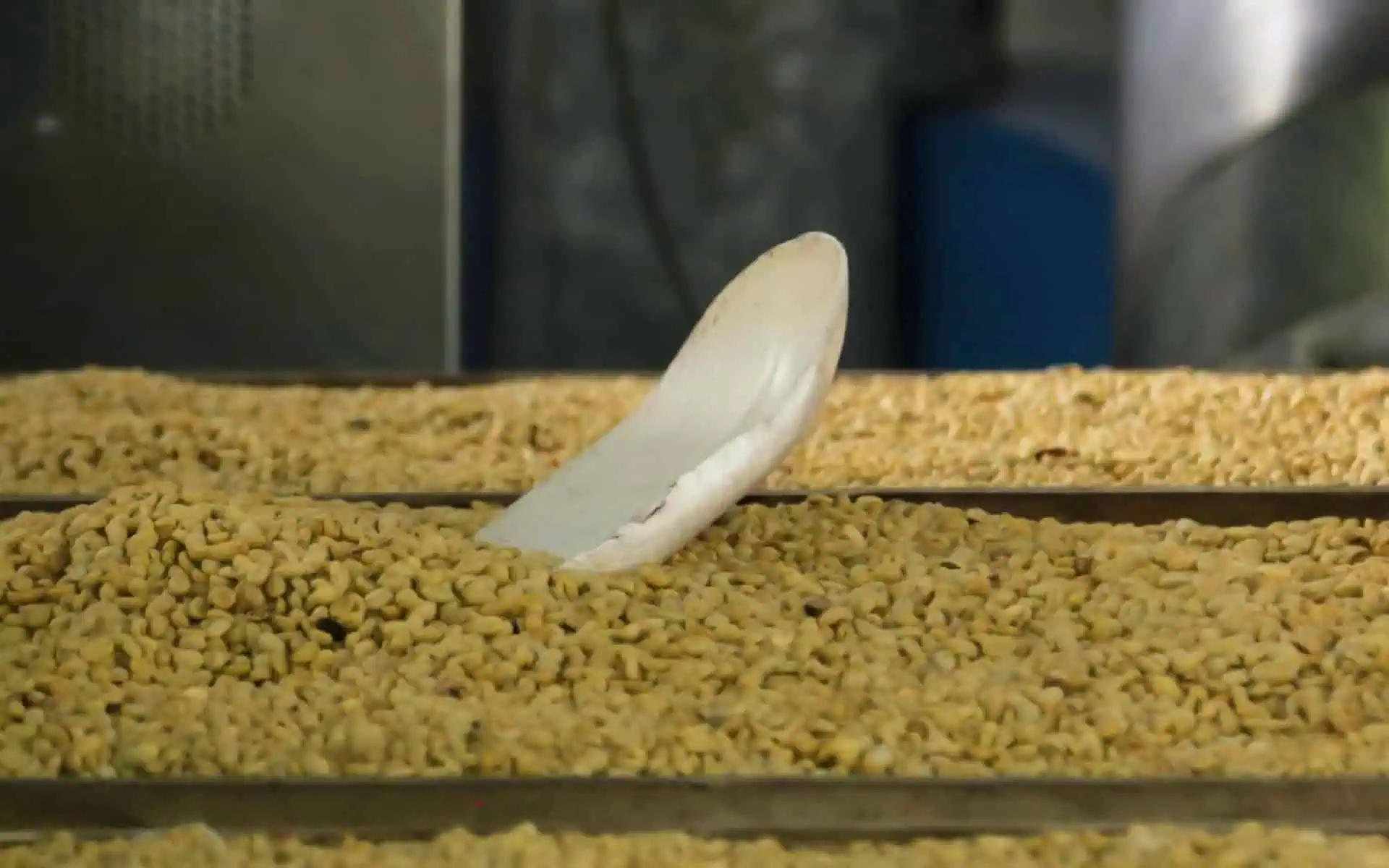
Most green coffee in international trade is described by country and, at best, by region. Among the many green coffee bean suppliers working in Vietnam, the real dividing line is whether a supplier can tell a buyer which farm a lot came from, how that farm was managed during the season, and when the cherries were picked. A lot labeled simply as Vietnamese Robusta tells a roaster very little. A lot tied to a named farm, a known fertilizer program, and a documented harvest period tells them nearly everything they need to plan a roast profile and to judge how the next shipment is likely to compare with the last one. That difference in information is what allows a roaster to build a repeatable product instead of reacting to surprises each time a new container is opened.
Traceability That Goes Deeper Than a Country Label
Transparency About Supply and Availability
The second expectation is straightforward visibility into what is actually available. In the traditional trading model, availability is communicated through individual quotes, so a buyer often learns about volume limits only after asking, and new crop quantities become clear late in the season. That makes planning difficult for any roaster or manufacturer trying to commit to a product line for the year ahead. A supplier that is open about how much has been produced, how much remains, and when new stock becomes available gives buyers something far more useful than a competitive price, namely the ability to plan around real numbers. This is the standard 1300’S Coffee holds itself to, and the sections below describe how it works in practice.
Quality Control That Starts in the Soil
Most quality control programs begin at the roasting machine or at the cupping table, after the green coffee already exists. 1300’S Coffee starts earlier, treating the farm itself as the first and most important quality checkpoint in the entire chain.
Closed Loop Management From Fertilizer to Harvest
Coffee at 1300’S Coffee is managed and monitored from the soil all the way through to harvest, within a closed loop process that begins with fertilizer and soil care. Keeping that loop under one consistent management approach means the nutrition the trees receive, the way the soil is maintained, and the timing of harvest are all decisions made deliberately and recorded, rather than the sum of many unrelated choices made by different parties. For a buyer, the practical benefit is consistency. Trees that are fed and cared for on a steady program tend to produce cherries that ripen more evenly, and evenly ripened cherries are among the biggest single factors behind a clean, uniform lot. It also makes problems easier to diagnose. If a lot behaves unexpectedly, there is a defined chain of decisions to trace back through, instead of an anonymous blend of sources to guess about.
A Clean Coffee Control Process Across the Farm
Alongside the closed loop, the farm operates a clean coffee control process that governs what goes onto the trees and how the fields are managed during the season. This is best understood as a documented routine rather than a marketing label. It gives a buyer something concrete to ask about, and it keeps day to day farm practice consistent from one harvest to the next. Buyers who care about how their coffee was grown can raise specific questions about inputs and field practices directly and expect answers grounded in what is actually done on the farm. It also supports the sustainability story that many roasters and brands want to tell their own customers, because that story carries far more weight when it can be traced back to real, observable practices.
Why Early Control Protects Quality Downstream
Quality that is protected early survives every step that follows. A specialty coffee supplier is only as strong as the raw material it starts with, since careful processing and skilled roasting can preserve what the farm produced but cannot add to it. The same is true for every format a green bean eventually becomes. Whether the coffee goes to a roaster developing a house blend, to a ground coffee supplier producing ready to brew product, or into a private label line for a new brand, the quality ceiling was set in the field. After harvest, cherries move through processing with a partner processing facility, where the discipline established on the farm continues. Controlling the beginning of the chain is what allows the end of it to be consistent.
How Farm Level Transparency Works in Practice
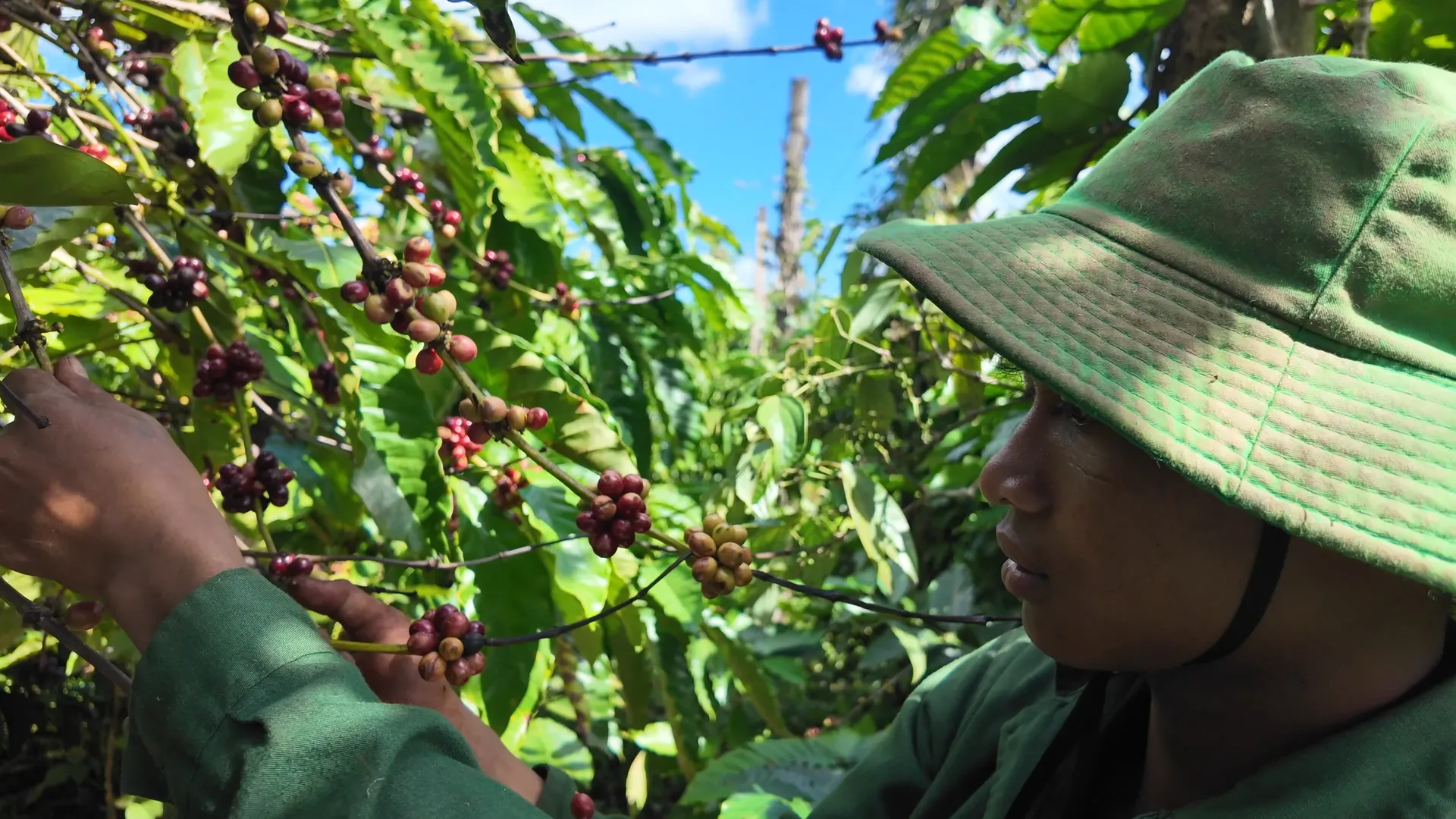
Once the harvest is complete, 1300’S Coffee announces the season’s output and opens it for sale. Buyers can place orders ahead of release, which allows roasters and manufacturers to secure the volume they need before stock is allocated elsewhere. The announcement is not limited to private emails sent to existing customers. Production figures are published openly on the website, so anyone evaluating the company can see what was harvested and what is available without having to request a quote first.
How Farm Level Transparency Works in Practice
This openness is unusual. Few green bean coffee suppliers publish volume and availability in public, because doing so removes the negotiating ambiguity that traditional trading relies on. For a buyer, however, that same openness is a genuine advantage. It turns the first conversation with a supplier into a conversation about specifications and timing rather than a search for basic facts, and it makes it easy to compare what is on offer against actual demand before making any commitment.
Public reporting also creates accountability. A supplier that posts its numbers where customers can read them has every reason to keep those numbers accurate, and a buyer who returns to the site season after season can see for themselves whether the reported output and availability stay consistent over time. That ongoing visibility builds a kind of trust that a one time sample or a polished brochure simply cannot replicate.
Buying From One Specific Farm Under Contract
Some buyers want more than a share of the general harvest. They want a specific farm, a specific story, and a guaranteed supply tied to that place. 1300’S Coffee accommodates this through a contract based arrangement for buyers who wish to purchase from one particular farm.
When a Dedicated Farm Contract Makes Sense
A dedicated farm contract suits buyers whose product depends on a clear and defensible origin identity. A roaster building a specialty coffee wholesale program around a single origin story, for example, needs confidence that the coffee behind that story will be available next season and the season after, in consistent quality. A contract provides that assurance in a way an informal purchase order cannot, since it commits both sides to volume and specification in advance. For the farm, it provides stable demand that supports continued investment in the soil and fertilizer program described earlier, which in turn protects quality for the buyer. The arrangement works best when both sides treat it as a long term partnership rather than a one time transaction.
Open Reporting on Inventory and Output
Buying from a specific farm only works if the buyer can see what that farm actually holds. For that reason, farm level details are shared openly, including quantities, inventory on hand, and production output. A buyer under contract does not have to wonder how much of the harvest has been committed elsewhere or how much remains in stock, because those figures are visible. This turns what is usually a trust based relationship into a verifiable one, and it allows a buyer to plan roasting schedules, product launches, and marketing around real, current figures instead of estimates that may or may not hold up once orders are actually placed.
Arabica and Robusta Options for Different Buyer Needs
The highlands around Mang Den in Kon Tum, at roughly 1,300 meters, are best known for the high altitude Arabica that gives the company its name, where cooler temperatures and volcanic soil encourage slow ripening and more complex flavor. Robusta plays an equally important role for buyers whose products depend on body, strength, and value, and it deserves its own look.
Fine Robusta With Real Cup Character
Vietnam’s reputation for Robusta was built on volume, but careful farming and processing have produced something quite different at the top of the market. Robusta specialty lots, picked selectively and processed with care, show noticeably more sweetness and less harshness than commodity grade coffee, with fuller body than most Arabica. For roasters looking for a differentiated espresso blend component or a distinctive single origin Robusta, this category opens up genuinely new options, and a farm managed carefully from the soil up is well placed to deliver it consistently from one season to the next.
Fine Robusta With Real Cup Character
Reliable Robusta Volume for Wholesale Programs
Not every product needs the finest lot available, and many buyers need dependable Robusta in larger quantities for blends and manufactured products. A robusta coffee wholesale relationship built on the same transparent reporting described above lets these buyers see availability in advance and secure volume early. Because the figures are public and the farm practices are consistent, a wholesale buyer can plan production runs with the same confidence as a specialty buyer planning a small, premium release.
Building a Long Term Sourcing Relationship
Choosing a green bean coffee supplier is rarely a one time decision. Most buyers begin with a trial lot, evaluate how it roasts and cups, and then expand as confidence grows. The transparency described throughout this guide supports that progression naturally, because each season’s published output and stock figures give a buyer a clear view of what the next order can look like.
Over time, many buyers also extend beyond green beans. The Robusta that anchors a blend today often becomes the base for an instant coffee wholesale line tomorrow, and a roaster who starts with a single farm contract may later want a broader range of origins within the same trusted network. Working with one supplier whose practices are consistent and visible makes that kind of expansion simpler, since quality expectations, documentation, and communication carry over from one product to the next rather than starting from scratch with each new category.
Getting Started
If you are evaluating a green bean coffee supplier for a roasting operation, a manufacturing line, or a new brand, the most useful first step is to look at what is actually available. Review the published harvest figures, request samples from the lots that match your needs, and ask directly about the farm practices behind them. The answers should be specific, and they should match what you can see for yourself. Ready to source green coffee with full farm level visibility? Request a sample and the current availability from 1300’S Coffee to see the difference at the source.
Read more: Top 10 Best Green Coffee Suppliers for Specialty Roasters in 2026


1300s BLOG YOU MAY ALSO BE INTERESTED IN
Top Instant Coffee Powder Manufacturers for Private Label & OEM Coffee
What Is Specialty Grade Coffee? The Criteria That Actually Define It
Roasted Coffee Beans Suppliers Delivering Wholesale Volume to Cafes and Retailers