



Where Is Coffee Grown in Vietnam? A Region by Region Guide
Vietnam’s reputation as a coffee producing powerhouse tends to flatten a genuinely varied agricultural landscape into a single mental image, endless Robusta plantations across the Central Highlands. That picture isn’t wrong exactly, but it leaves out meaningful regional differences in altitude, soil, climate, and even varietal that shape what actually comes out of the ground in different parts of the country. Understanding where is coffee grown in Vietnam region by region helps explain why coffee sourced from one province can taste and perform completely differently from coffee grown just a few hundred kilometers away, and why that regional detail matters directly to buyers building a specific product.
Where Is Coffee Grown in Vietnam The Big Picture
Before diving into individual provinces, it helps to establish the broader geographic pattern that explains why Vietnam’s coffee regions developed the way they did.
The Central Highlands as the National Core
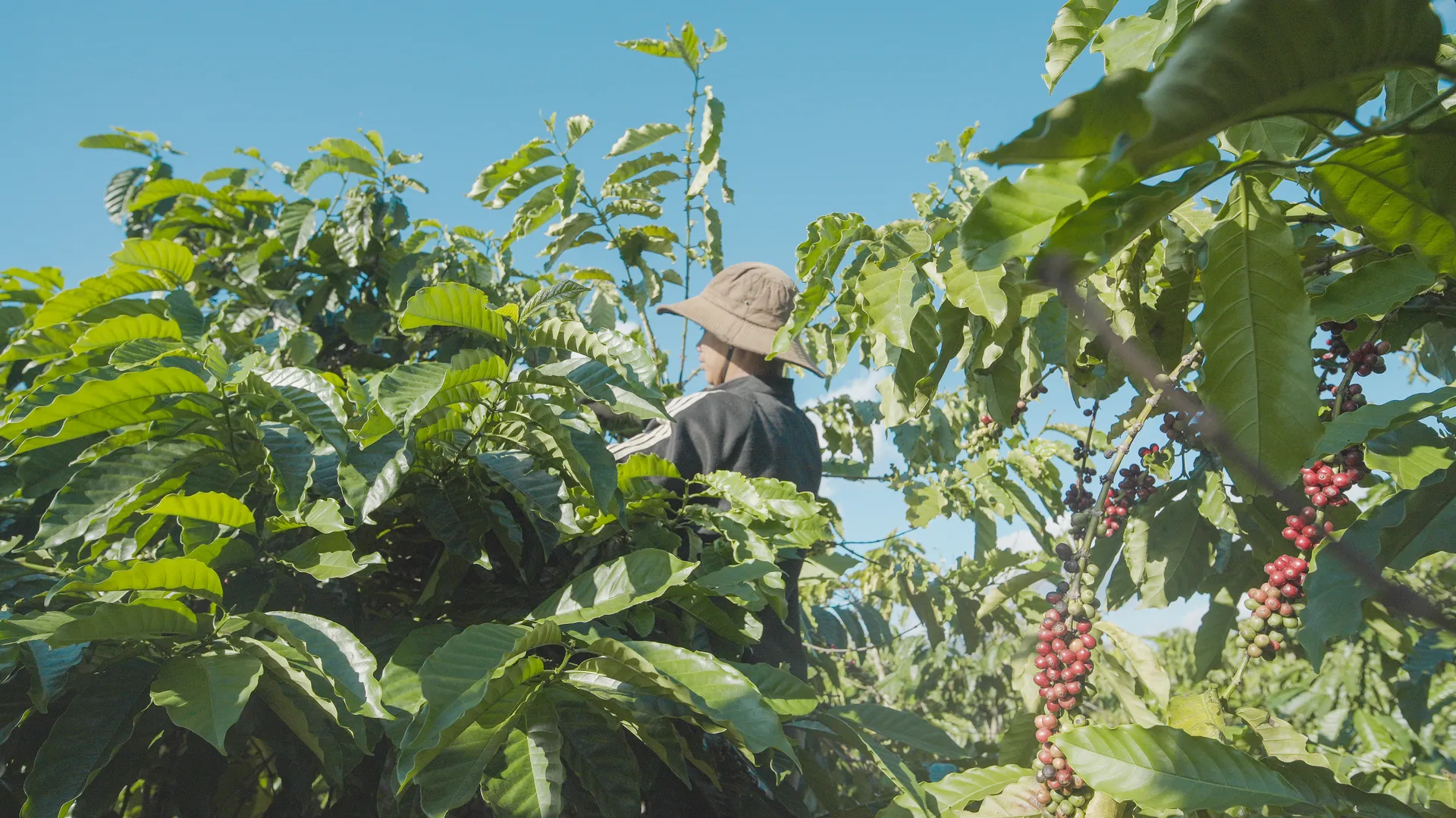
The overwhelming majority of Vietnam’s coffee production concentrates in the Central Highlands, a plateau region spanning several provinces at moderate elevation with the warm, humid climate that suits Robusta cultivation particularly well. This region became the backbone of Vietnam’s coffee industry following the country’s economic reforms in the late 1980s, when Robusta’s hardiness and yield made it the practical crop of choice for rapid agricultural expansion. Anyone asking where is coffee grown in Vietnam at a national scale is really asking about this specific plateau, since it accounts for the large majority of the country’s total production volume.
The Central Highlands as the National Core
Smaller Regions Adding Diversity to the Map
Beyond the Central Highlands core, several smaller growing zones at higher elevations produce a meaningfully different kind of coffee, generally Arabica or specialty grade Robusta, grown in cooler, more mountainous terrain unsuited to the high volume Robusta model dominant elsewhere. These regions represent a smaller share of total national output but a disproportionately important share of Vietnam’s specialty and higher value coffee, and understanding where they sit on the map explains a lot about why Vietnamese coffee has diversified so considerably beyond its bulk commodity reputation over the past decade.
Dak Lak the Heart of Vietnamese Robusta
No answer to where is coffee grown in Vietnam is complete without starting with Dak Lak, the province most closely associated with the country’s coffee identity both domestically and internationally.
Buon Ma Thuot and Its Historical Role
Buon Ma Thuot, Dak Lak’s capital, functions as the symbolic and historical center of Vietnam’s coffee industry, the place most closely tied to the country’s transformation into the world’s largest Robusta exporter. The city hosts major processing infrastructure, a significant share of the country’s largest exporters maintain operations here, and the surrounding province’s warm lowland climate and well established agricultural infrastructure make it the natural anchor point for anyone researching Vietnamese coffee origin at a serious level. The region’s protected geographical indication status, recognized under Vietnam’s trade agreements with the EU, has also reinforced Buon Ma Thuot’s international reputation as shorthand for authentic Vietnamese Robusta specifically.
What Buyers Sourcing From Dak Lak Should Know
Buyers evaluating Dak Lak as a source should understand that the sheer scale of production here means quality and practices vary enormously between individual farms and processors, from massive industrial operations to smaller, more quality focused producers working within the same province. Confirming which specific processor or exporter a lot comes from, rather than treating Dak Lak origin alone as a quality signal, matters considerably given how much production the region represents nationally. Buyers should also ask specifically about harvest timing and processing method, since even within this single province, practices range from fast, volume focused strip harvesting through to more selective picking aimed at higher grade output.
Certifications and Trade Recognition Tied to the Region
Beyond individual supplier quality, Dak Lak carries institutional weight that smaller regions haven’t yet built up, including protected geographical indication recognition and a concentration of internationally certified exporters holding sustainability credentials like Rainforest Alliance and 4C. Buyers prioritizing documentation and certification depth alongside volume often find this institutional infrastructure, built up over decades of export activity, easier to access here than in newer or smaller growing regions still developing their own certification track record.
Gia Lai and Dak Nong Supporting the Robusta Base
Alongside Dak Lak, two neighboring provinces contribute substantial additional Robusta volume to Vietnam’s national output, each with slightly different characteristics that matter for buyers evaluating the full Central Highlands picture rather than treating the region as entirely uniform.
Gia Lai Production Characteristics
Gia Lai sits just north of Dak Lak and shares much of the same climate and elevation profile, supporting large scale Robusta cultivation alongside a growing amount of processing infrastructure of its own. Several major Vietnamese exporters maintain significant operations here, and the province has increasingly attracted investment in more careful processing methods aimed at improving quality beyond the traditional commodity grade standard. Some of the country’s most established exporters, known specifically for accommodating detailed custom processing specifications, operate substantial facilities in Gia Lai, making it a relevant region for buyers who need both scale and a degree of formulation flexibility from the same source.
Dak Nong Growing Conditions
Dak Nong, established as a separate province more recently than Dak Lak and Gia Lai, contributes meaningfully to national Robusta output while generally operating at a somewhat smaller scale than its more established neighbors. The province’s volcanic soil profile, shared broadly across the Central Highlands, supports the same mineral rich growing conditions associated with the region’s coffee quality more generally. Because Dak Nong’s coffee industry developed somewhat later than its neighboring provinces, some producers here have had the advantage of building processing infrastructure informed by more recent quality standards from the outset, rather than adapting older, purely volume focused operations.
Lam Dong and the Rise of Vietnamese Arabica
Moving away from the lowland Robusta core, Lam Dong province represents one of the most important answers to where is coffee grown in Vietnam for buyers specifically interested in Arabica, and it carries a production history considerably longer than most of the country’s other Arabica growing zones. Da Lat, the province’s best known city, sits at a considerably higher elevation than the Central Highlands’ Robusta heartland, with a noticeably cooler climate that suits Arabica’s more temperature sensitive growing requirements. This region has the longest established Arabica production history in the country, giving it more developed processing infrastructure and farming expertise specific to the varietal than some of Vietnam’s newer specialty growing zones, and Da Lat’s status as a well known domestic tourist destination has also indirectly supported its coffee industry, since visitor traffic has helped build broader awareness of the region’s coffee specifically among Vietnamese consumers, awareness that has gradually extended into international recognition as well.
Lam Dong has also become a center for processing innovation within Vietnam’s specialty coffee movement, with producers increasingly experimenting across washed, honey, and natural processing methods specifically to differentiate their Arabica in an international market that already associates the region with the country’s best known coffee outside Robusta. Buyers sourcing a genuine specialty coffee supplier relationship built around Vietnamese Arabica frequently find themselves evaluating Lam Dong producers specifically given this concentration of both altitude advantage and processing expertise, and the region’s relatively mature export infrastructure means buyers can often access larger, more consistent volumes here than from some of the country’s smaller, newer Arabica zones.
Kon Tum and the Mang Den Highlands
A smaller and more recently recognized growing zone, Kon Tum province offers a genuinely distinct answer to where is coffee grown in Vietnam for buyers looking beyond the country’s more established regions.
Altitude and Volcanic Soil in Kon Tum
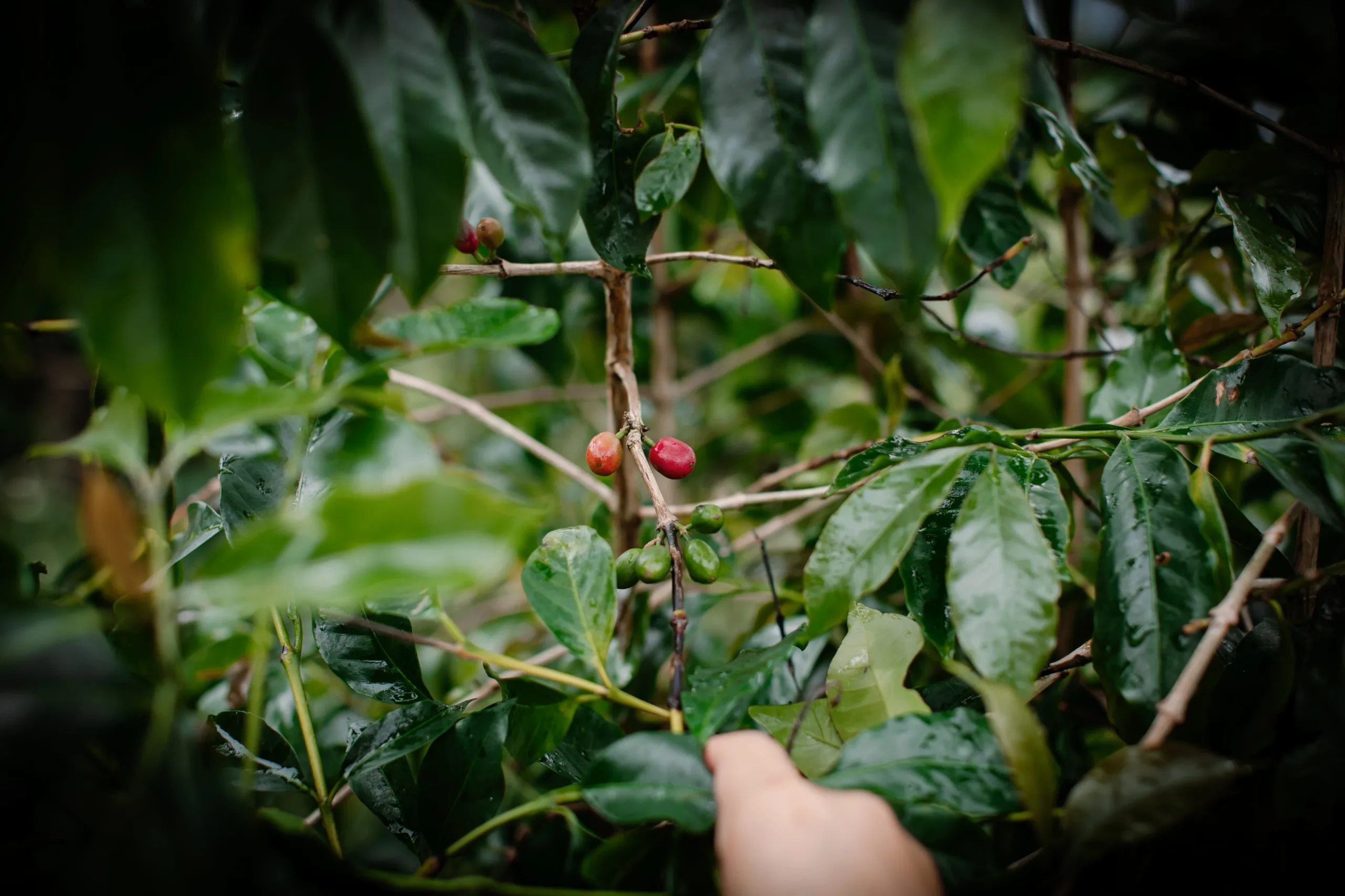
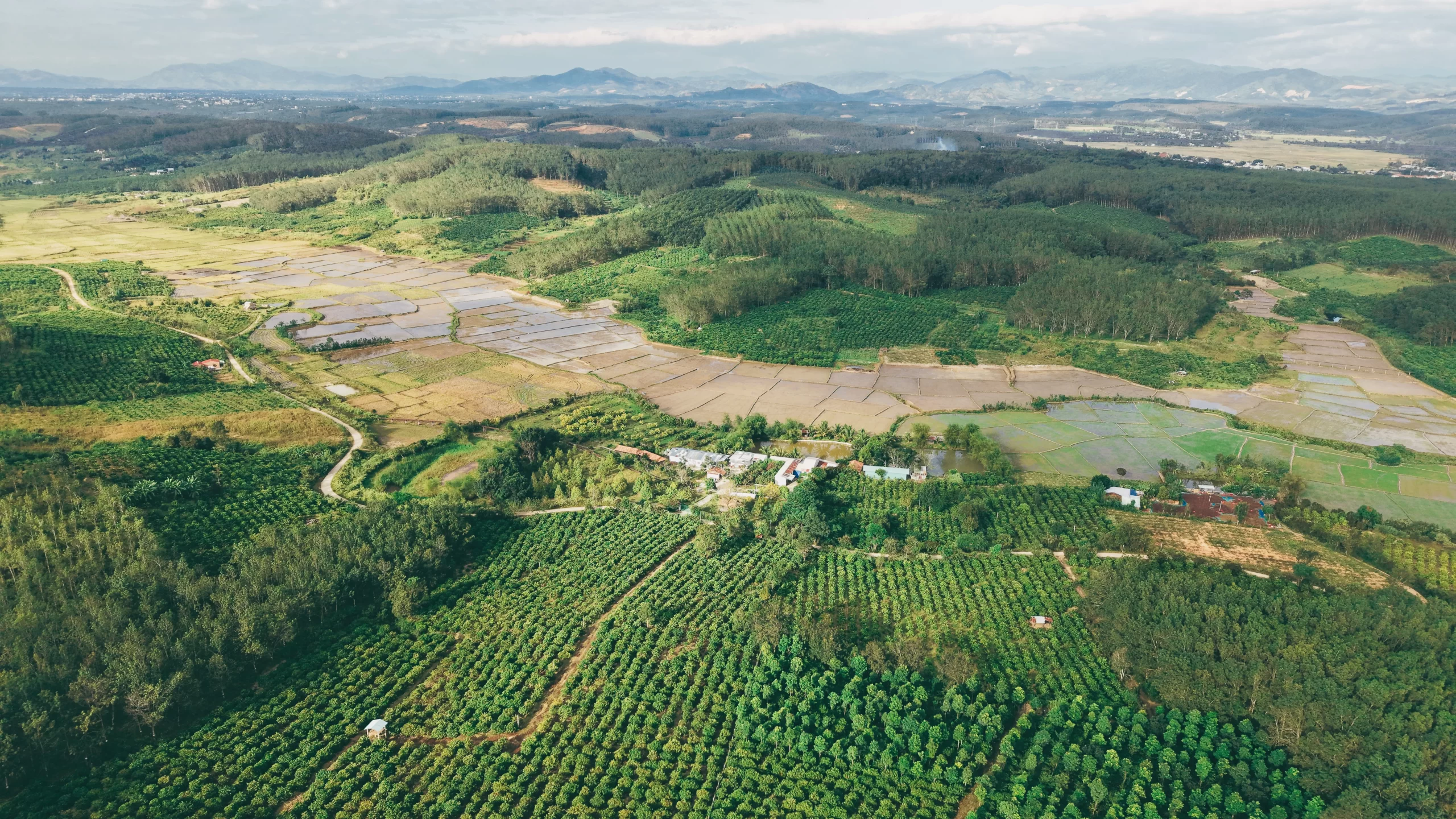
The Mang Den highlands within Kon Tum sit at elevations around 1,300 meters, high enough to produce the kind of temperature swing between day and night that slows cherry ripening and supports more complex flavor development. Combined with the same volcanic basalt soil found across the broader Central Highlands region, this altitude profile gives Kon Tum genuine terroir advantages that smaller producers in the area have increasingly built their positioning around. The province sits somewhat apart geographically from Vietnam’s more established coffee growing zones, which historically meant less investment in processing infrastructure here compared to Dak Lak, though that gap has narrowed considerably as more producers have recognized the region’s genuine quality potential over the past several years.
Coffee Fields in Kon Tum
Why This Region Suits Specialty Positioning
Kon Tum’s smaller production scale relative to Dak Lak or Gia Lai has translated into closer farm level relationships for many producers based here, since a smaller growing area allows more direct oversight of harvesting and initial processing than would be practical across a much larger, more industrial operation. This combination of favorable terroir and closer producer oversight is part of why the region has attracted buyers specifically interested in specialty coffee wholesale relationships built around traceable, differentiated origin rather than blended regional commodity supply. Vertically integrated producers based in this specific region, managing everything from farmer relationships through processing under one operation, are increasingly able to offer the kind of lot level documentation and consistency that larger, more fragmented supply chains elsewhere in the country sometimes struggle to match.
Son La and Quang Tri Vietnam Northern and Central Arabica Zones
Two additional regions round out the picture for buyers researching where is coffee grown in Vietnam beyond the Central Highlands and Lam Dong, each contributing a genuinely distinct piece to the country’s Arabica story despite operating at considerably smaller scale.
Son La Growing Conditions
Son La, in Vietnam’s mountainous northern region, produces Arabica at a smaller scale than Lam Dong but benefits from a distinct high altitude, cooler climate profile that produces its own characteristic flavor. The region has grown steadily as a specialty sourcing option over the past decade, though its more remote location relative to Vietnam’s main export infrastructure sometimes means longer logistics timelines than sourcing from the more centrally located Central Highlands. Farmers in Son La have increasingly received support and investment aimed at improving processing quality specifically, part of a broader push to position the north’s Arabica as a genuine complement to Lam Dong’s more established offering rather than a lesser alternative.
Quang Tri Growing Conditions
Quang Tri, along the central coast’s inland hills, represents a smaller and less internationally recognized Arabica growing zone, with its own distinct microclimate contributing to a genuinely differentiated flavor profile compared to the country’s other Arabica regions. Buyers building a diverse single origin program specifically sometimes source from Quang Tri precisely because its relative obscurity offers a genuinely novel origin story compared to more commonly referenced Vietnamese growing regions, and the smaller scale of production here often means closer, more direct relationships with the specific farms involved than would be practical in a larger, more commercially developed growing zone.
How Regional Origin Affects Product Format Choices
Understanding where is coffee grown in Vietnam matters directly for buyers deciding which finished product format actually fits a specific origin’s strengths.
Regional Robusta and Roasted or Ground Coffee Wholesale
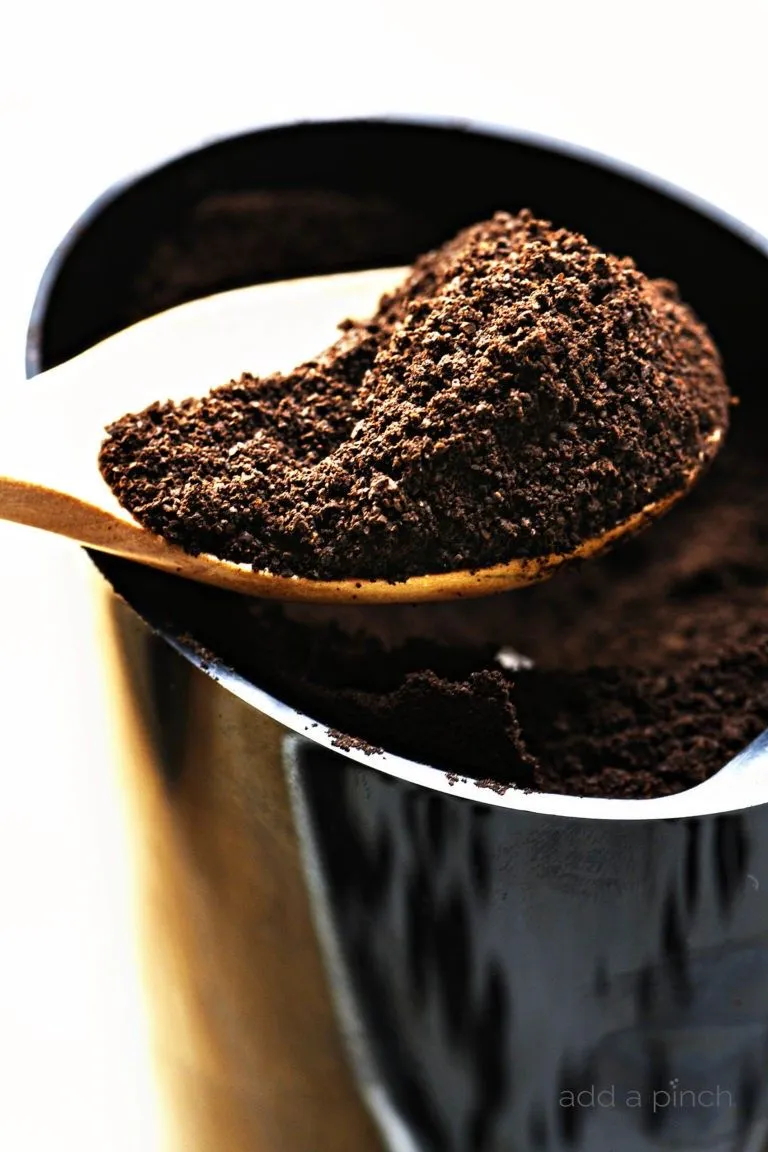
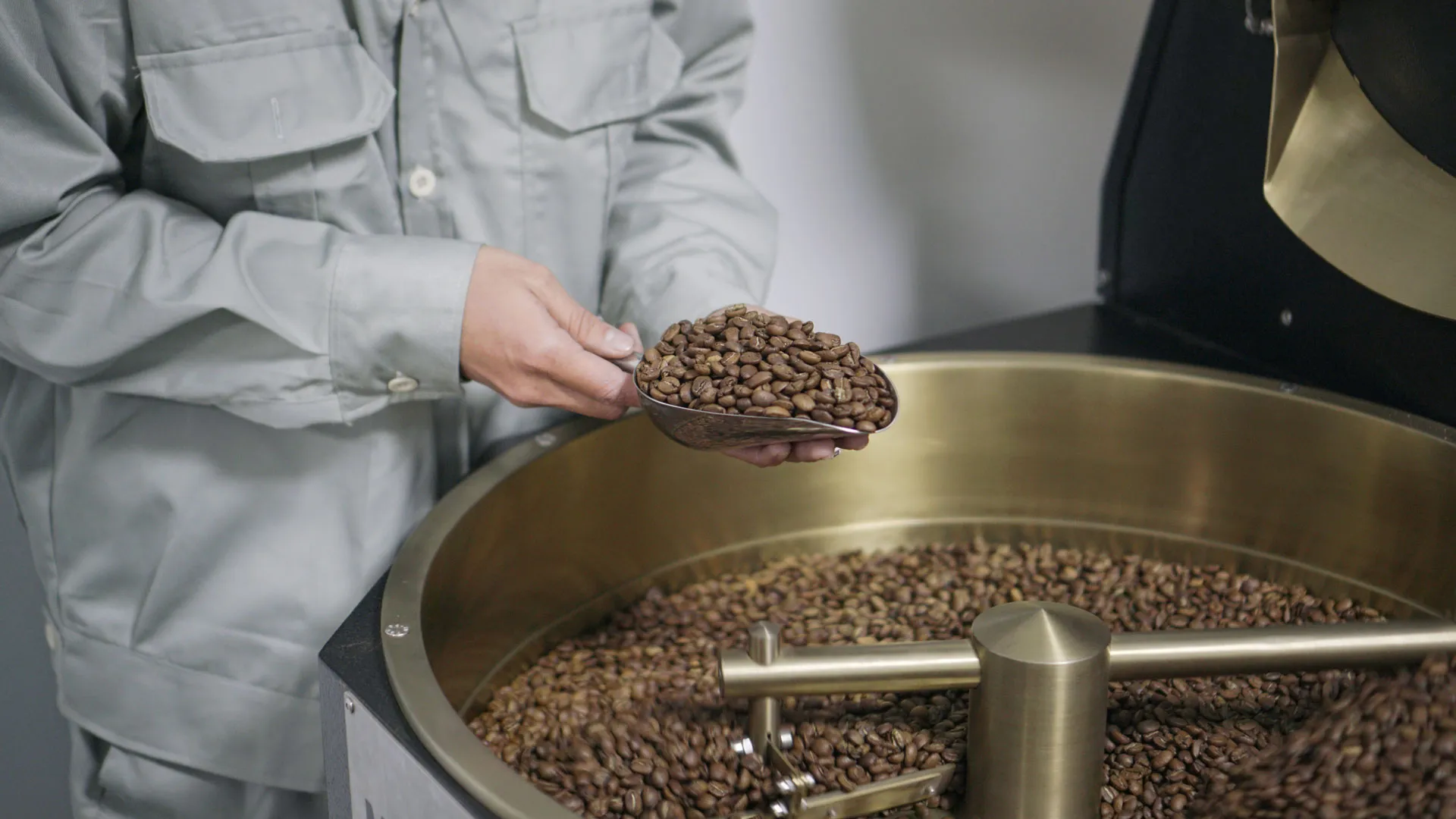
Robusta from the Central Highlands core, Dak Lak, Gia Lai, and Dak Nong, suits buyers sourcing roasted coffee wholesale volume built around bold, full bodied flavor and reliable, large scale supply. The same regional Robusta base also supports ground coffee wholesale production at meaningful volume, since the varietal’s flavor profile holds up well across the grinding and packaging process, and buyers building a product line around traditional Vietnamese coffee character generally default to this regional base specifically for that reason. This lowland Robusta base also remains the most practical choice for buyers prioritizing consistent year round availability and predictable pricing, since the scale of production across these three provinces provides a depth of supply that smaller specialty regions simply can’t match.
Regional Arabica and Specialty or Instant Applications
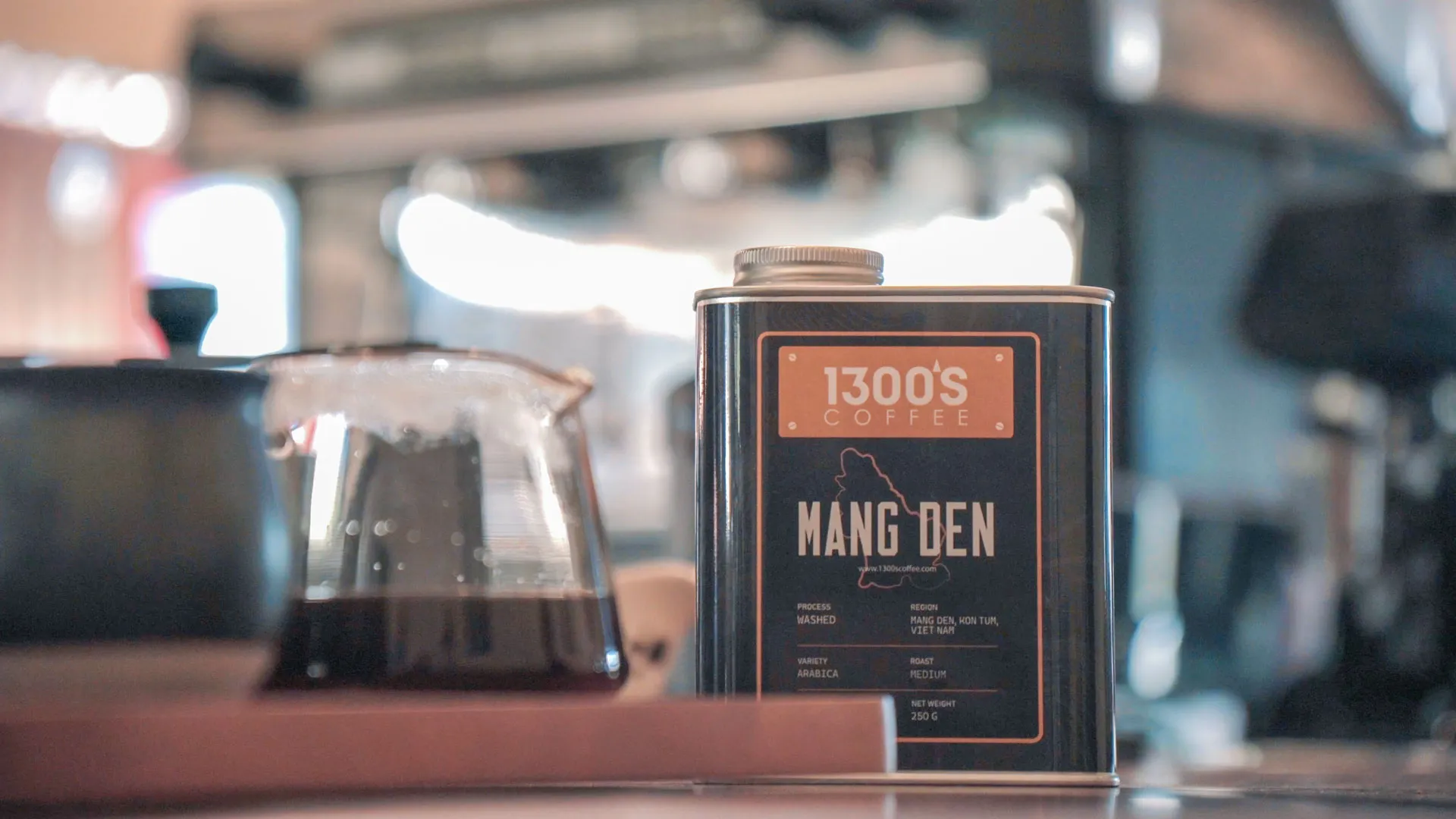
Arabica from Lam Dong, Kon Tum, Son La, and Quang Tri suits an entirely different set of applications, generally specialty positioned single origin products built around a specific region’s terroir story. This same higher altitude coffee also increasingly shows up in premium instant coffee wholesale formulations, where freeze drying preserves more of the aromatic complexity that makes these regions distinct, giving buyers planning an instant coffee bulk buy for a premium product line a genuine reason to specify regional origin rather than accepting a generic Vietnamese Robusta base by default. Drip coffee bags, a format that showcases flavor complexity more directly than instant coffee, also benefit from this regional Arabica base, and a capable drip coffee supplier sourcing from these higher altitude zones can offer a genuinely differentiated product compared to one built purely around commodity grade lowland Robusta. Buyers weighing these regional options against each other should ultimately let their target product’s positioning drive the decision, rather than defaulting to whichever region happens to be most familiar or most heavily marketed.
Wholesale Roasted Arabica Coffee from 1300’S Coffee
What Buyers Should Ask About Growing Region When Sourcing
Regardless of which specific region a buyer is interested in, a consistent set of questions helps verify that regional origin claims actually hold up. Ask directly for documentation tracing a specific lot back to its actual growing region or, ideally, specific farm, rather than accepting a general country level origin claim. Suppliers working across multiple regions should be able to confirm which region a specific shipment actually came from, and hesitation or vagueness on this point is worth treating as a warning sign, particularly for buyers paying a premium specifically for a regional origin story.
Beyond verification, confirm that a supplier’s regional sourcing actually aligns with what your product needs, a buyer building a bold, high volume espresso blend generally wants Central Highlands Robusta rather than a smaller batch Kon Tum Arabica lot, while a buyer building a premium single origin retail product likely wants the opposite. Working through this alignment explicitly before finalizing a sourcing relationship avoids the common mismatch of paying specialty pricing for coffee that doesn’t actually need, or benefit from, the regional differentiation being charged for.
Getting Started
Whether you’re simply curious where is coffee grown in Vietnam or evaluating a specific region as a sourcing origin for your own product, understanding how these regions differ in altitude, climate, and typical varietal gives you a genuinely informed starting point for that conversation. Curious which Vietnamese growing region fits your product goals? Request a sample and a conversation with 1300’S Coffee to explore origin options from the Kon Tum highlands and beyond.
Read more: Why Is Vietnamese Coffee So Good? What Makes the Flavor Distinct


1300s BLOG YOU MAY ALSO BE INTERESTED IN
How to Choose an Organic Coffee Supplier You Can Trust
Specialty Batch Coffee Roasters in Vietnam for Wholesale & Export
Top Specialty Coffee Companies Offering OEM & Private Label Solutions for Global Coffee Brands