


Private Label Specialty Coffee Wholesale vs OEM Manufacturing
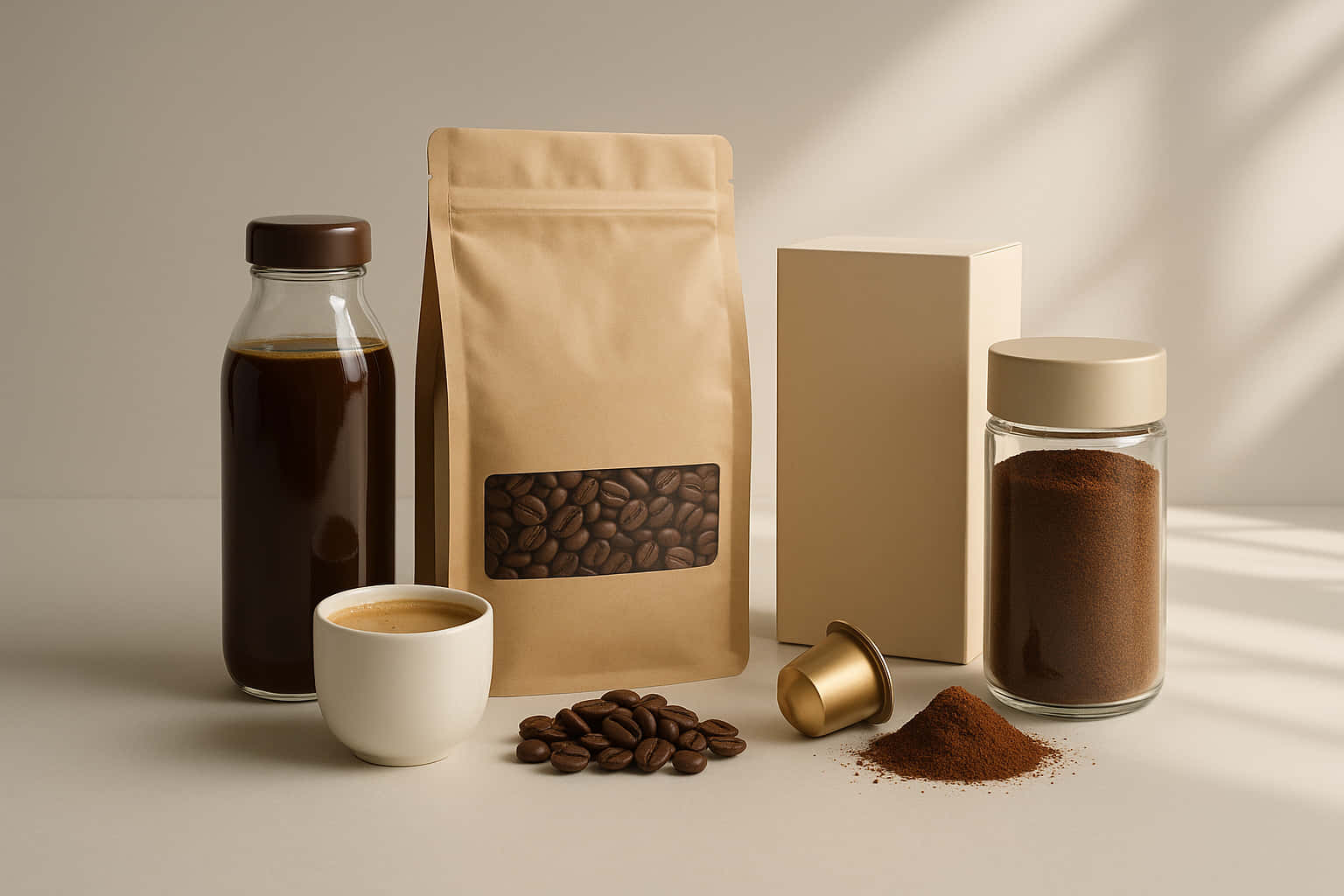
Brands sourcing specialty coffee for the first time often use “private label” and “OEM” interchangeably, and in casual conversation with a specialty coffee supplier, that’s rarely corrected because both terms describe a manufacturer producing coffee under someone else’s brand. The distinction matters more than it first appears, though, because it affects timeline, cost, minimum order quantities, and how much control a brand actually has over the final product. This guide breaks down the real differences and helps determine which model fits a given brand’s stage and goals.
What Private Label Specialty Coffee Actually Means
Private label sourcing means selecting from a manufacturer’s existing formulations, a house blend, a specific single origin, a particular roast level, and applying a brand’s own packaging and label to it. The coffee itself isn’t developed specifically for the brand; it already exists in the supplier’s product range, and the brand’s contribution is primarily on the branding and marketing side rather than the product development side.
What Private Label Specialty Coffee Actually Means
This model suits brands prioritizing speed to market and lower upfront investment. A gourmet coffee suppliers relationship built around private label can move from initial conversation to a packaged product in a matter of weeks, since there’s no formulation development cycle to work through. The tradeoff is differentiation: if a supplier offers the same base formulations to multiple private label clients, a brand’s product may taste identical to a competitor’s, distinguished only by packaging and marketing.
What OEM Manufacturing Actually Means
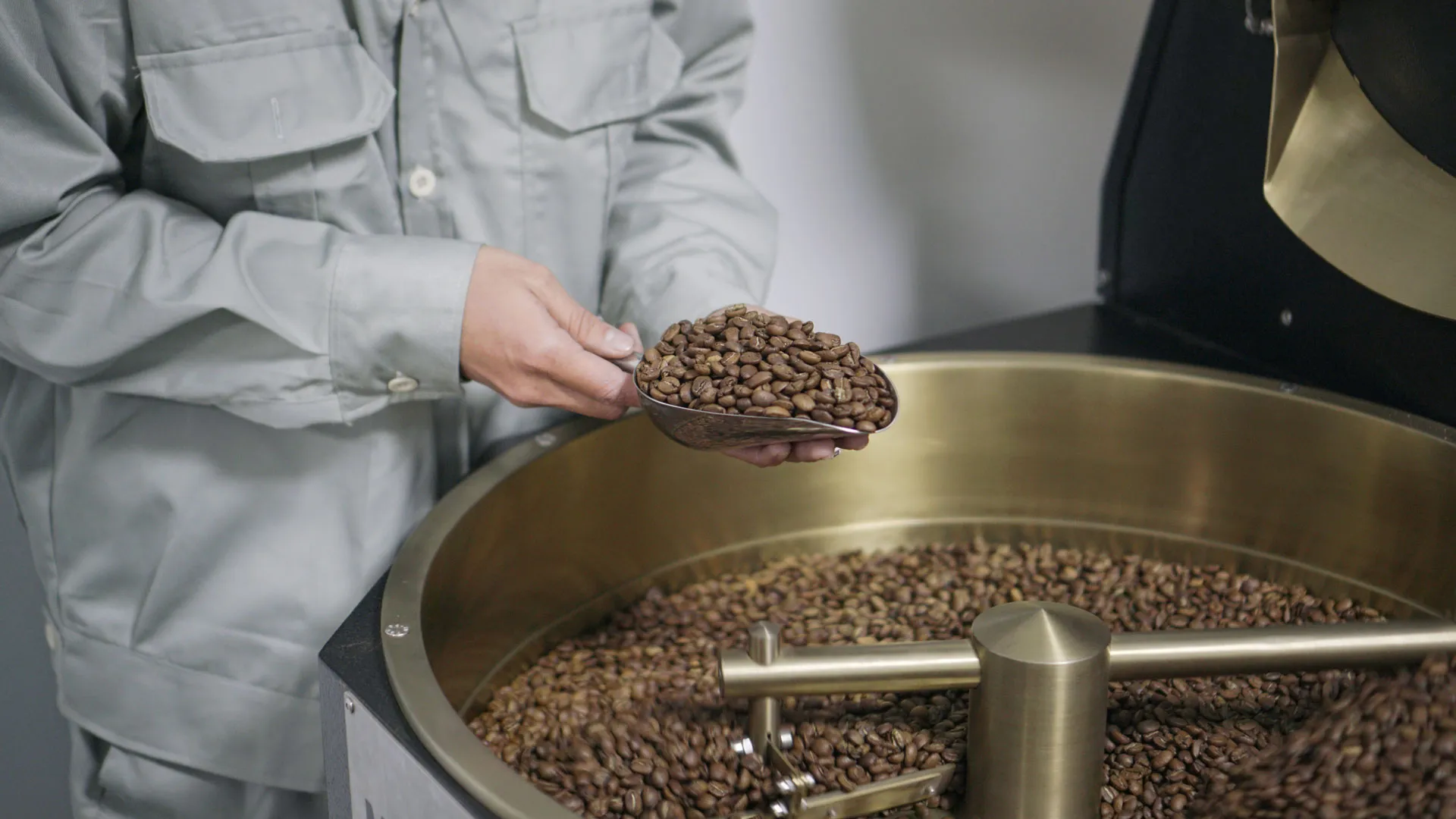
OEM, or original equipment manufacturer, sourcing involves collaborative development of a formulation specifically for the brand, rather than selecting from what already exists. This typically means multiple rounds of cupping and adjustment, working through bean origin, blend ratio, roast profile, and sometimes processing method, until the flavor matches a brand’s specific target rather than the closest available house option.
This model suits brands that see flavor and formulation as a core part of their differentiation strategy, willing to trade a longer development timeline and typically higher minimum order commitments for a product that can’t be replicated by a competitor working with the same specialty coffee suppliers. It also tends to build a stronger long-term relationship with the manufacturer, since the formulation itself represents shared investment on both sides.
Key Differences That Actually Affect a Sourcing Decision
Knowing the basic definitions of each model only goes so far when a brand actually has to decide between them. The factors below are the ones that tend to show up in real negotiations with a manufacturer, and getting a clear answer on each before committing to either model avoids most of the friction that surfaces later in a sourcing relationship.
Timeline
Private label can move to a finished product within weeks. OEM formulation development, particularly for a specialty coffee company iterating through several cupping rounds, more commonly takes one to three months before a formulation is locked and ready for production.
Minimum Order Quantities
Private label MOQs are often lower because the manufacturer isn’t dedicating a production run specifically to develop something new, they’re packaging an existing formulation. OEM MOQs tend to be higher, partly to justify the formulation development investment and partly because manufacturers want assurance that a custom blend will actually sell through before committing production capacity to maintaining it long-term.
Cost Structure
Private label pricing is generally more predictable since it’s based on an existing formulation with known input costs. OEM pricing includes development cost, sometimes charged separately as a formulation fee, sometimes absorbed into a higher per-unit price once production begins, which makes early-stage cost estimates less precise until a formulation is finalized.
Differentiation and Ownership
Private label products can typically be replicated by any other brand working with the same manufacturer, since the underlying formulation isn’t exclusive. OEM formulations are often, though not always, exclusive to the commissioning brand, which matters significantly for brands building flavor into their core positioning rather than treating coffee as a commodity behind their branding.
Quality Control Implications For Specialty Grade
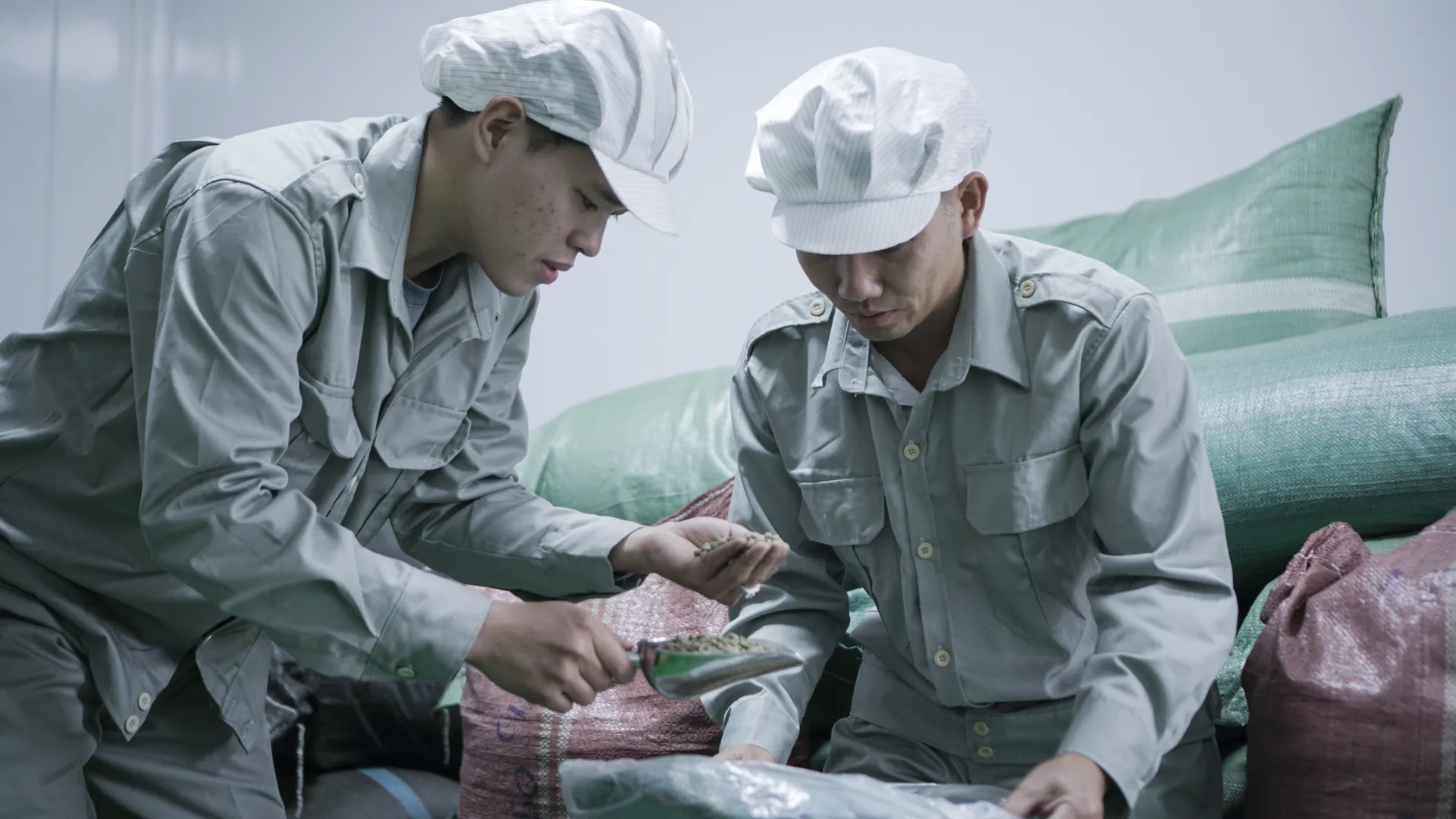
Because private label relies on an existing, already-validated formulation, quality consistency is generally easier to maintain from the outset. OEM formulations, being newly developed, require more rigorous validation during the trial production phase, confirming that a formulation approved in small cupping samples translates correctly into full-batch production, since this is where new formulations most commonly reveal inconsistencies that didn’t show up in initial testing.
Quality Control Implications For Specialty Grade
A Decision Framework for Choosing Between Private Label and OEM
The five factors above rarely point in the same direction at once, which is exactly why this decision is harder in practice than it looks on paper. The table below condenses those factors into a faster reference: match your brand’s current situation on the left against the model it tends to favor on the right, then use that as a starting point for the actual conversation with a manufacturer rather than a final answer on its own.
| If your brand… | Private label likely fits better | OEM likely fits better |
|---|---|---|
| Needs to launch within weeks | Yes | No |
| Has a limited initial budget | Yes | No |
| Treats flavor as a core differentiator | No | Yes |
| Wants a formulation competitors can’t replicate | No | Yes |
| Is testing market demand before investing further | Yes | Possibly, if trial volumes are supported |
| Already has a validated target flavor profile in mind | No | Yes |
Many brands actually use both models over time: launching with a private label product from a specialty coffee supplier to validate demand quickly and affordably, then transitioning to a custom OEM formulation once the brand has traction and wants a signature product that can’t be sourced identically elsewhere.
Common Misconceptions Worth Correcting
Even brands that understand the basic private label versus OEM distinction often carry a few assumptions that don’t hold up once they start actually sourcing. Correcting these early tends to save a round of confusion during supplier negotiations.
- OEM always means better quality: A private label formulation from an experienced specialty coffee company, or speciality coffee company as it’s spelled in the UK and much of the EU, that’s been refined and validated over many production cycles can be more consistent than a newly developed OEM formulation still working through its first few production runs. The model doesn’t determine quality on its own; the manufacturer’s standards and process do. This holds equally for brands building a coffee specialty wholesale line for retail or hospitality distribution, where consistency across many outlets matters as much as the flavor profile itself.
- Private label means the brand has no input at all: In practice, most private label relationships still allow some customization, adjusting roast level slightly, choosing between a few available blend options, selecting packaging format, even if the underlying formulation itself isn’t custom-developed.
- OEM requires container-scale minimum orders: This varies significantly by manufacturer. Larger industrial exporters often do require container-level OEM commitments, but smaller, vertically integrated specialty coffee suppliers are frequently more willing to support OEM development at lower volumes, since formulation and production sit under the same operation rather than requiring coordination across separate green bean and roasting partners.
How 1300’S Coffee Supports Both Models
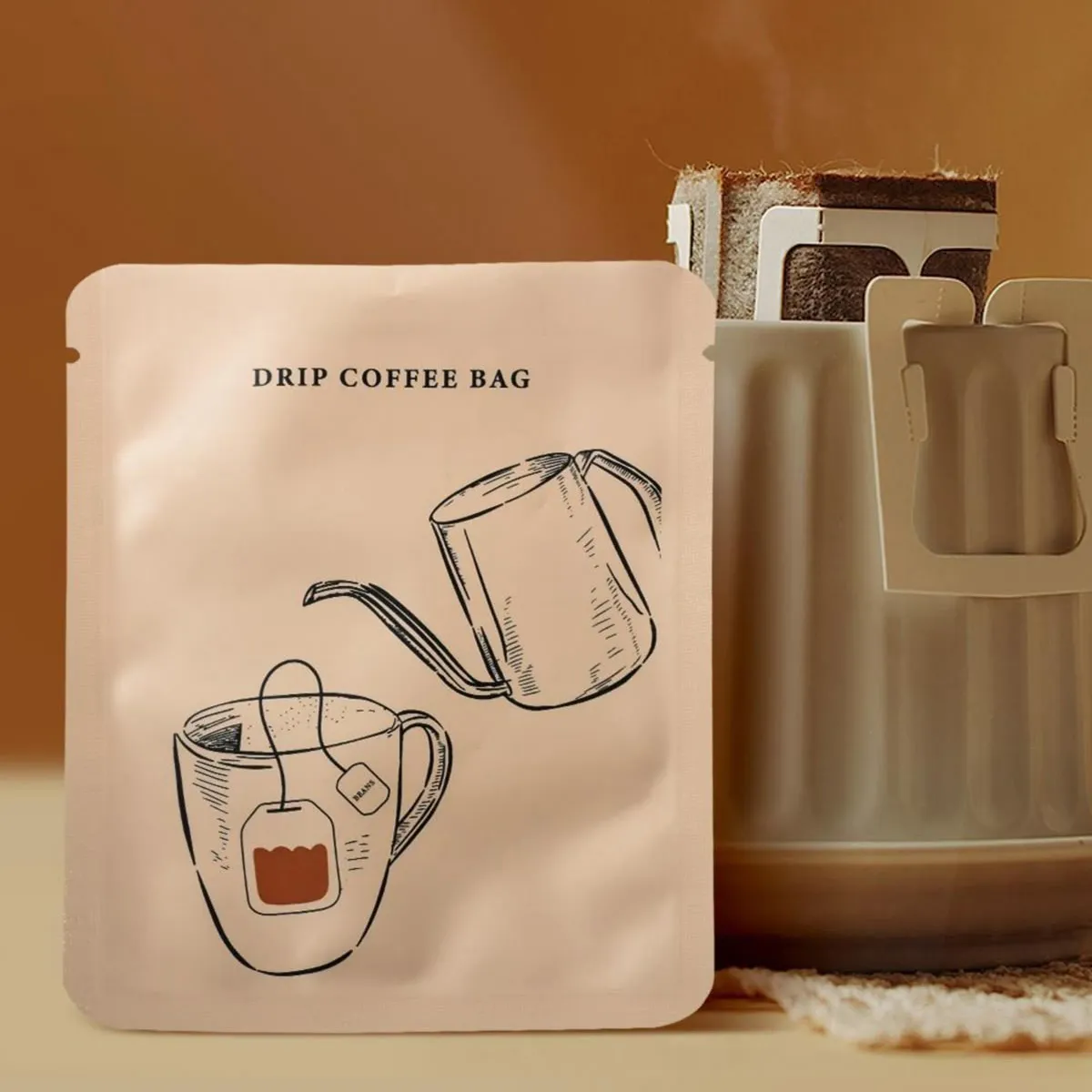
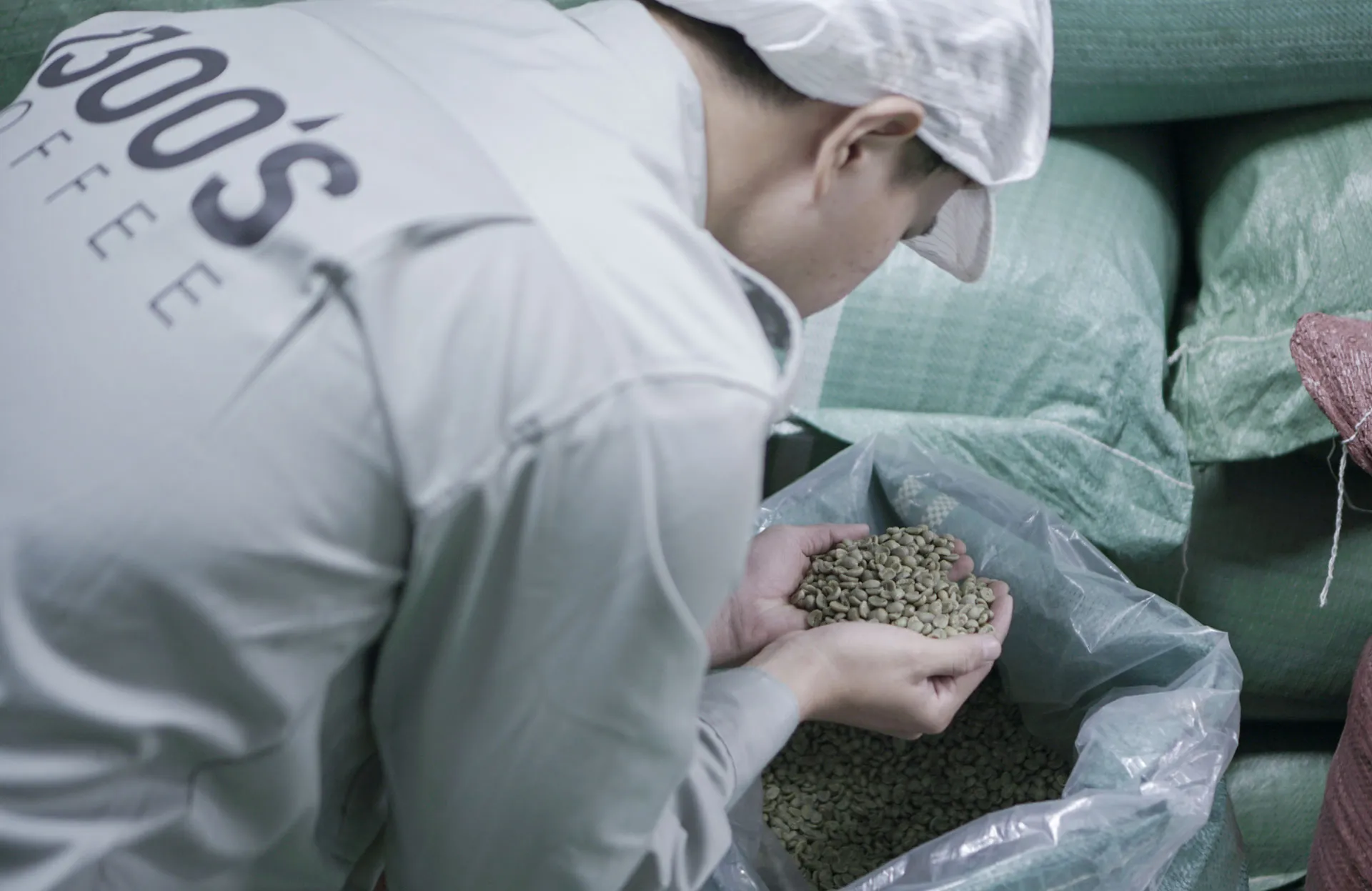
1300’S Coffee works with brands under both private label and OEM structures, depending on what a specific project calls for. For private label, the company offers existing formulations across whole bean, ground, drip bag, and instant coffee formats that can move to packaged production relatively quickly. For OEM, the company’s vertically integrated structure, sourcing, processing, and roasting managed under one operation in the Mang Den highlands of Kon Tum province, supports formulation development and cupping iteration without requiring a brand to coordinate separately across multiple partners. Quality control for both models runs through the same in-house lab, and both are backed by ISO 22000, HACCP, FDA, and OCOP certifications.
Getting Started
Brands unsure which model fits should start with a clear picture of timeline, budget, and how central flavor differentiation is to the brand’s positioning, then bring that brief to a potential manufacturer for a direct recommendation rather than deciding in the abstract. Not sure whether private label or OEM fits your brand? Share your goals with 1300’S Coffee and get a direct recommendation based on your timeline, budget, and flavor requirements.
Read more: OEM Specialty Coffee: A Complete Guide for Coffee Brands


1300s BLOG YOU MAY ALSO BE INTERESTED IN
Trusted Coffee Beans Wholesale Suppliers for Bulk Buyers and Importers Worldwide
Best Private Label Coffee Suppliers for Brands Ready to Launch Their Own Line
How to Brew Vietnamese Coffee A Step by Step Phin Guide