


How Long Do Roasted Coffee Beans Last Shelf Life and Freshness Guide
Anyone who’s compared a freshly opened bag of coffee to one that’s been sitting open for a few weeks already knows the answer isn’t simple. How long do roasted coffee beans last depends on several factors working together, roast level, packaging, storage conditions, and whether the coffee is whole bean or ground, and understanding each one helps you actually get the most out of coffee you’ve already paid for rather than guessing at when it’s gone bad. This guide covers what actually happens as roasted coffee ages, what affects that timeline, and how to store coffee properly to extend its usable freshness window as long as realistically possible.
How Long Do Roasted Coffee Beans Last The Short Answer
Properly stored whole bean roasted coffee generally maintains good flavor for two to four weeks past its roast date, with the first one to two weeks typically representing peak freshness for most roast styles. Ground coffee has a considerably shorter window, usually best within one to two weeks, given how much faster it stales once its surface area increases through grinding. These timeframes assume reasonable storage conditions, and coffee stored poorly can lose meaningful quality considerably faster than these general guidelines suggest.
What Actually Causes Roasted Coffee to Go Stale
Understanding the actual chemistry behind staling explains why some storage advice works and other common practices actually make things worse.
Oxidation and Aroma Loss
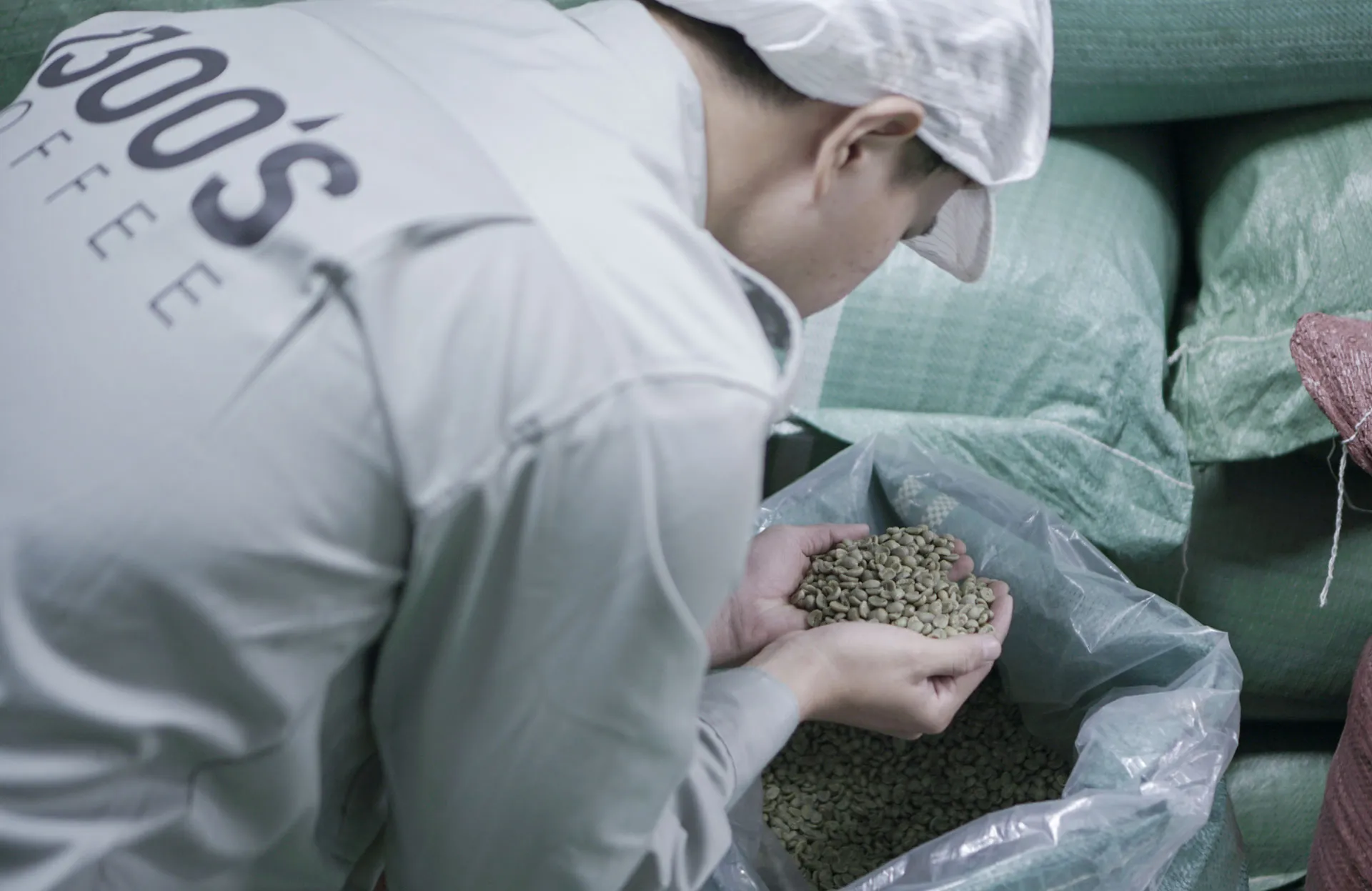
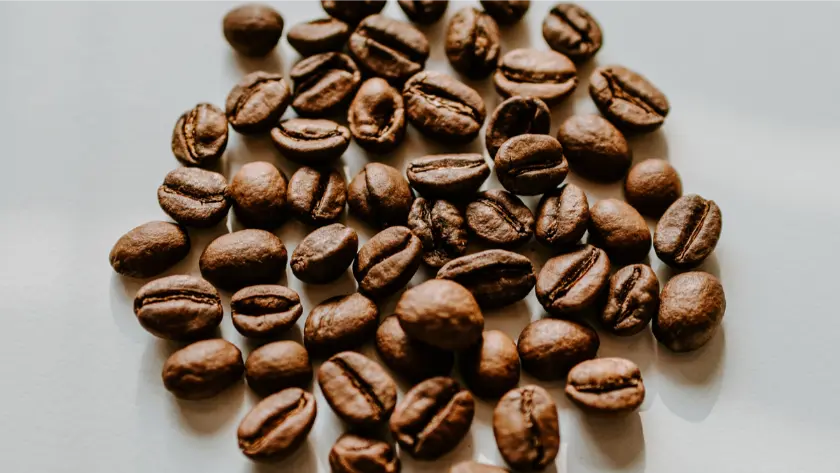
Roasted coffee’s porous, cellular structure, created by the intense heat of roasting breaking down the bean’s original dense composition, exposes far more surface area to oxygen than green coffee ever encounters. This oxygen exposure gradually breaks down the volatile aromatic compounds responsible for coffee’s flavor and smell, a process that happens continuously from the moment beans finish roasting, accelerating further once a bag is opened and repeatedly exposed to fresh air. This is the fundamental reason how long do roasted coffee beans last differs so dramatically from green coffee’s considerably longer shelf life, roasting itself creates the vulnerability that eventually leads to staling. Every time a bag gets opened and resealed, a fresh dose of oxygen enters the package, meaning frequent access, common in a busy kitchen or a retail environment with regular scooping, accelerates the staling timeline compared to a bag that stays sealed until its contents are used up in one or two sittings.
Oxidation and Aroma Loss
Degassing and Carbon Dioxide Release
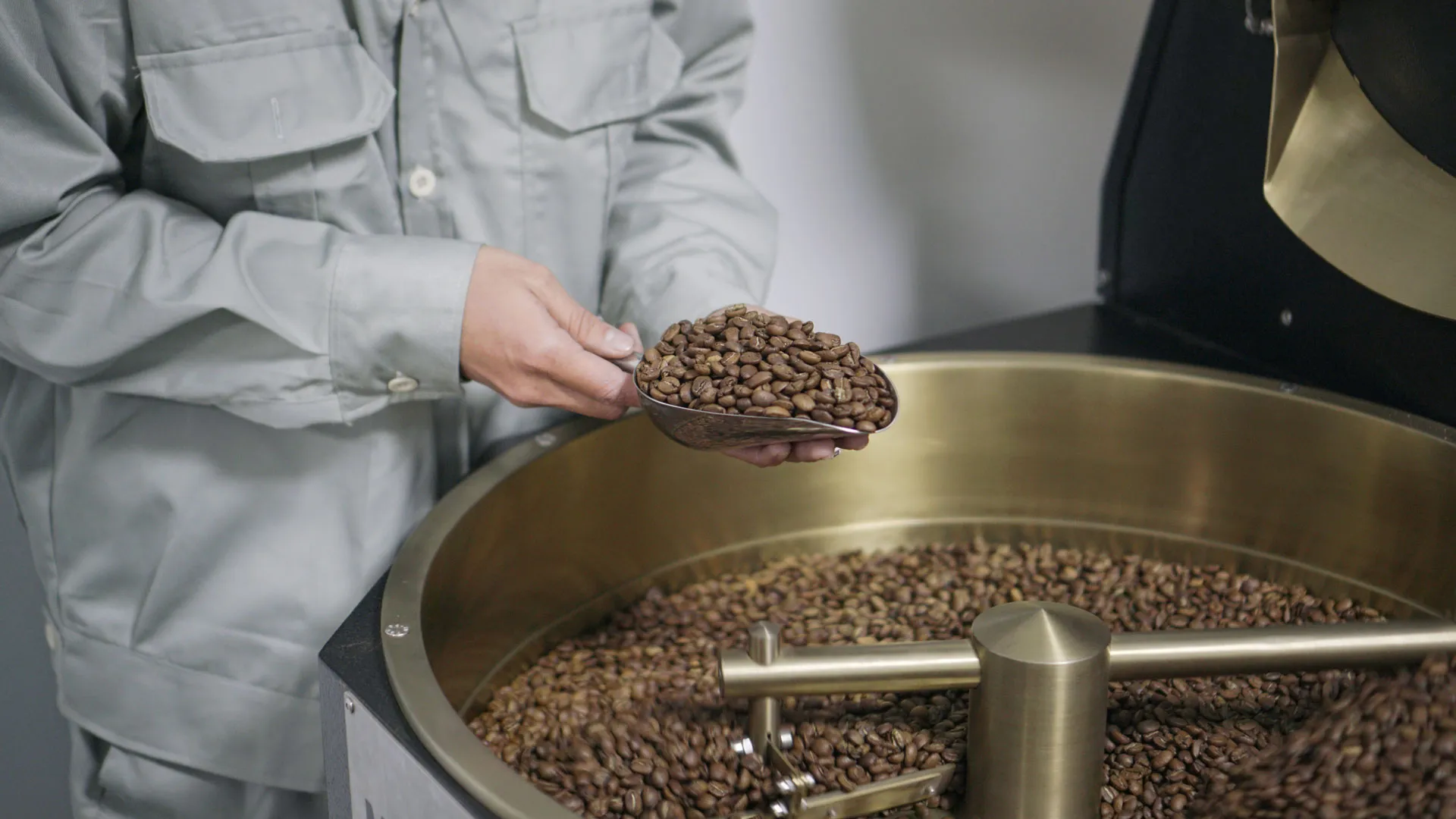
Freshly roasted coffee releases carbon dioxide for days after roasting, a natural byproduct of the roasting process itself, with darker roasts typically releasing more gas over a shorter period than lighter roasts given the more intense heat exposure involved. This degassing period actually protects coffee somewhat during its first few days, since the outward flow of CO2 helps push oxygen away from the bean’s surface, but as this gas release slows down over the following one to two weeks, the coffee becomes progressively more vulnerable to the oxidation described above. This is part of why coffee often tastes noticeably better a day or two after roasting than immediately fresh off the roaster, and also why that early protective effect fades as the primary driver of long-term freshness shifts entirely toward oxidation exposure once the initial degassing period winds down.
Factors That Affect How Long Roasted Coffee Beans Last
Beyond the basic staling mechanism, several specific factors meaningfully speed up or slow down how quickly a given batch of coffee actually declines.
Roast Level and Bean Density
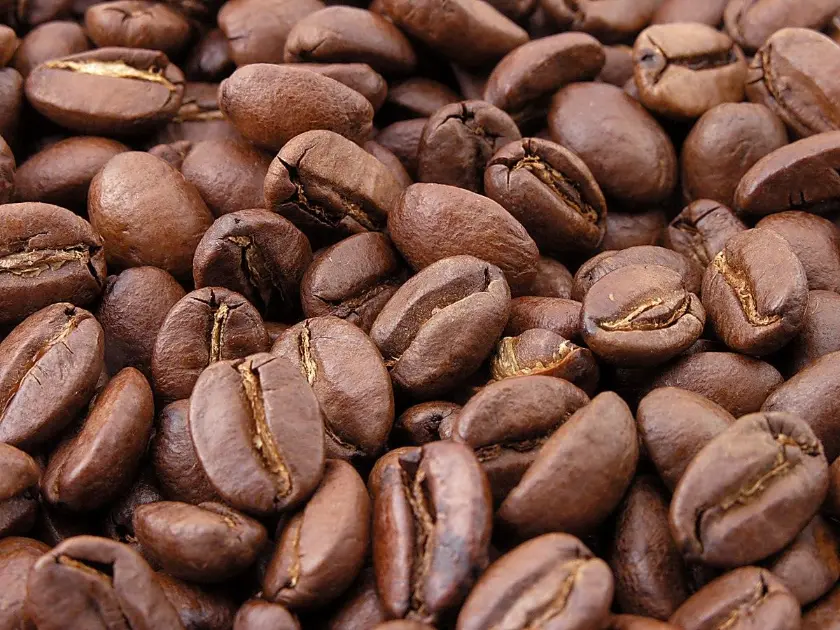
Darker roasts generally stale somewhat faster than lighter roasts, since the extended heat exposure that produces a dark roast also creates a more porous, oil rich bean structure with more surface area exposed and more volatile compounds already partially broken down by the roasting process itself. Lighter roasts, with denser bean structure and less oil migration to the surface, tend to hold their flavor slightly longer under equivalent storage conditions, though the difference is measured in days rather than dramatically different timelines between roast levels.
Whole Bean vs Ground Coffee
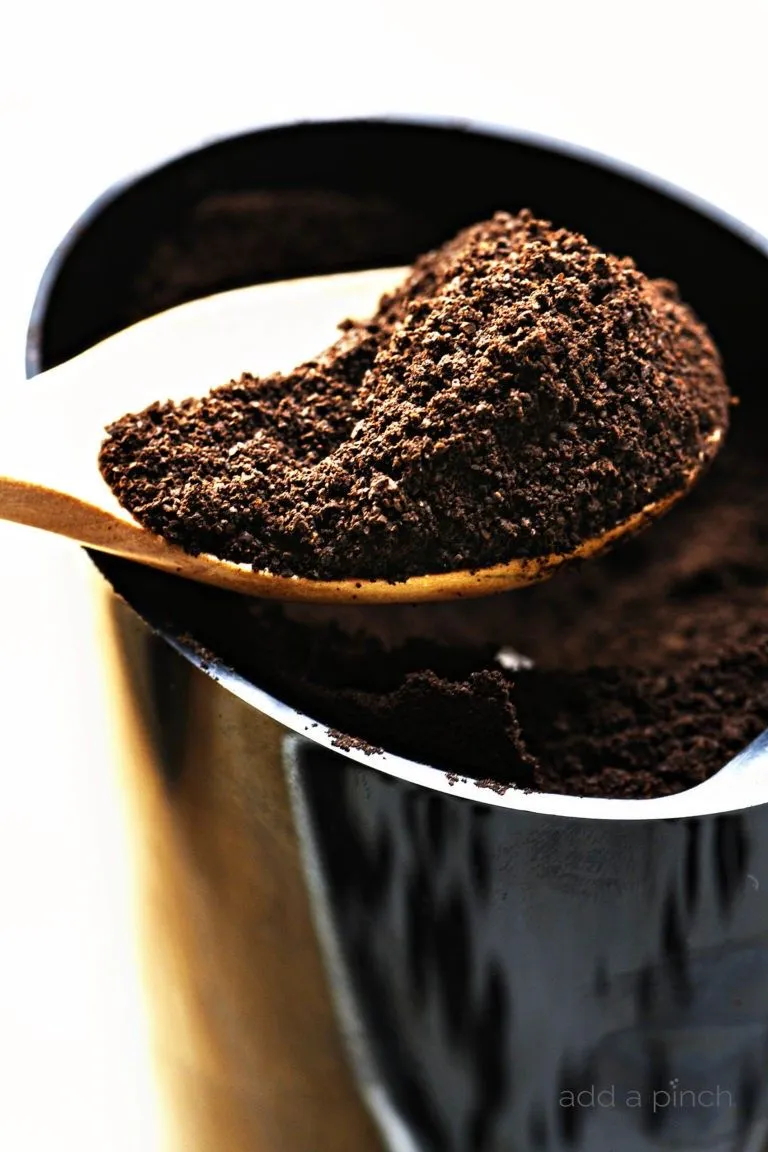
Grinding coffee dramatically increases its surface area, sometimes by a factor of several hundred times compared to whole bean, which correspondingly accelerates oxidation and aroma loss. This is the single biggest factor separating how long do roasted coffee beans last as whole bean versus how quickly the same coffee declines once ground, and it’s why buying whole bean and grinding just before brewing consistently produces noticeably better results than pre-ground coffee sitting in a bag or canister for an extended period.
Packaging Quality
Packaging plays an enormous role in actual shelf life, independent of the coffee itself. Bags with a proper one-way degassing valve, allowing CO2 to escape without letting oxygen back in, meaningfully extend usable freshness compared to simple sealed bags without this feature. Barrier materials that block light and oxygen transmission also matter considerably, and coffee packaged in thin, permeable material stales faster than identical coffee in proper multi-layer barrier packaging, even when both are stored under otherwise identical conditions. Nitrogen flushing during the packaging process, displacing oxygen inside the bag with inert nitrogen gas before sealing, provides an additional layer of protection some higher quality packaging incorporates, giving coffee an even longer head start before oxidation becomes the dominant factor driving flavor decline.
Best Storage Practices to Maximize Freshness
Beyond the packaging a bag arrives in, how you actually store and handle coffee after opening it meaningfully affects how long it stays good.
Where and How to Store Roasted Coffee
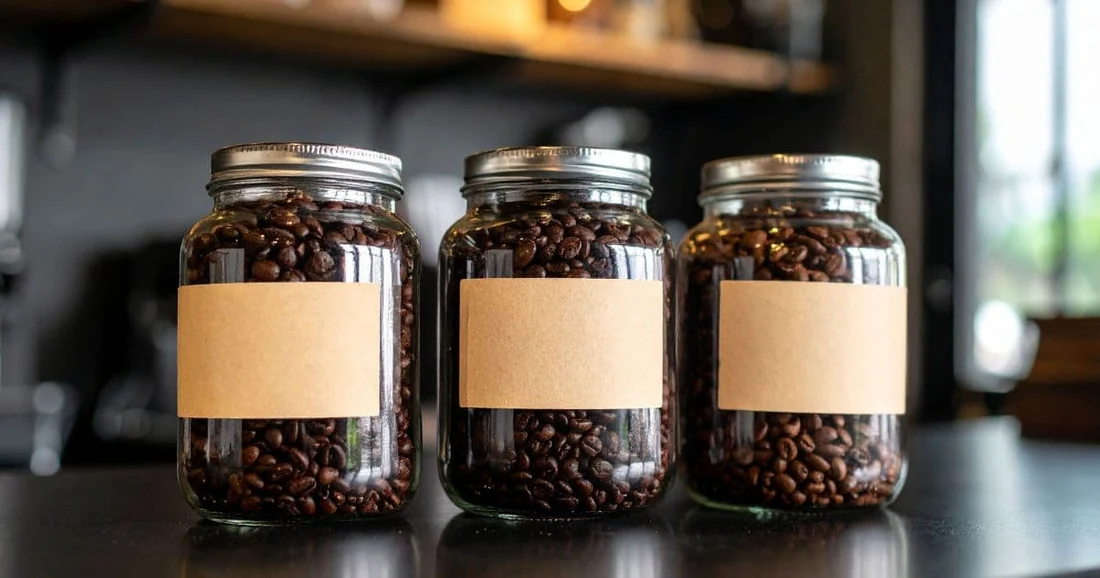
Store roasted coffee in a cool, dark place away from direct sunlight and heat sources, ideally in an opaque, airtight container if you’ve moved it out of its original packaging. Avoid storing coffee near the stove or oven, where heat exposure accelerates staling, and resist the temptation to store coffee in a clear glass jar on the counter, however visually appealing that might look, since light exposure degrades quality steadily over time even through relatively short daily exposure. A pantry or cabinet away from any heat generating appliances generally works well, and consistency matters here too, storing coffee somewhere subject to significant temperature swings throughout the day, near a window that gets direct afternoon sun, for instance, undermines otherwise good storage practices even if the location seems reasonably cool most of the time.
Should You Refrigerate or Freeze Coffee
Refrigeration is generally not recommended for coffee, since the temperature fluctuations involved in regularly opening a refrigerator introduce condensation risk that can actually accelerate staling rather than prevent it, and coffee readily absorbs surrounding odors, an unwelcome side effect in a refrigerator full of other foods. Freezing works better than refrigeration if you need to store coffee for an extended period beyond its normal freshness window, provided it’s portioned into smaller, airtight, moisture-proof containers to avoid repeated temperature cycling as portions get removed and the rest goes back in the freezer, since that repeated cycling introduces exactly the condensation risk that undermines refrigeration in the first place. When using frozen coffee, let it come to room temperature fully before opening the container, since opening cold coffee immediately exposes it to condensation from the surrounding warmer, moister air, effectively introducing the same risk freezing was meant to avoid if that final step gets skipped.
Signs Your Roasted Coffee Has Gone Stale
A few sensory cues reliably indicate coffee has aged past its useful freshness window. A flat, muted aroma when you first open the bag, compared to the noticeably fragrant smell fresh roasted coffee typically has, is often the earliest and most obvious sign, and it’s worth paying attention to this cue specifically before even brewing a cup, since aroma decline typically precedes noticeable flavor decline by at least a few days. In the cup, stale coffee tends to taste flat and one-dimensional, lacking the brightness or complexity the same coffee would have shown closer to its roast date, sometimes described as tasting papery or cardboard-like in more advanced staling. A simpler practical test many experienced coffee drinkers use involves observing how much a fresh scoop of grounds blooms when hot water first hits it during brewing, vigorous bubbling and expansion indicates active carbon dioxide release from relatively fresh coffee, while minimal bloom suggests the coffee has already released most of its gas and is likely further along in the staling process than its printed roast date alone might suggest. Visually, oils on the surface of dark roasted beans that look dull or have dried out, rather than glossy, can also indicate coffee that’s been stored for an extended period, though this particular sign is less reliable across all roast levels than the aroma and taste cues, since lighter roasts rarely show visible surface oil even when perfectly fresh.
Freshness Considerations for Businesses Buying at Volume
Businesses purchasing coffee at scale face different freshness planning challenges than an individual buying a single bag for home use. A roasted coffee wholesale relationship built around recurring, smaller orders generally serves a business better than one large bulk purchase, since ordering closer to actual consumption need keeps inventory within its peak freshness window rather than sitting in storage losing quality before it’s used. Businesses evaluating a new supplier should ask directly about roast-to-ship timing, since coffee that sits for weeks between roasting and shipment has already burned through a meaningful portion of its freshness window before it even reaches the buyer.
Freshness Considerations for Businesses Buying at Volume
Working with a genuine specialty coffee supplier adds another layer of consideration here, since specialty grade coffee’s more delicate, complex flavor characteristics tend to show freshness decline more noticeably than commodity grade coffee’s more straightforward flavor profile. A buyer investing in specialty positioning specifically should apply extra scrutiny to a supplier’s freshness practices, since paying a premium for specialty quality only to receive coffee that’s already lost much of what made it worth that premium defeats the purpose of sourcing specialty grade coffee in the first place.
Building Freshness Standards Into a Specialty Coffee Wholesale Program
Businesses building a genuine specialty coffee wholesale program specifically should treat freshness handling as part of their overall quality standard, not a separate afterthought from the cupping scores and origin documentation that usually get more attention. A specialty positioned product that arrives stale undermines the entire value proposition customers are paying for, regardless of how impressive the coffee’s cupping score or origin story looks on paper, making freshness verification just as important a supplier evaluation criterion as the documentation more commonly associated with specialty sourcing.
Ground Coffee Freshness Windows for Retailers
Retailers and foodservice buyers sourcing through a ground coffee wholesale relationship face an even tighter freshness timeline than whole bean buyers, given how much faster ground coffee stales once its surface area increases through grinding. Buyers in this category should confirm a supplier’s grind-to-ship timing specifically, not just roast-to-ship timing, since coffee that was roasted recently but ground and packaged weeks before shipment has already lost considerable freshness by the time it reaches a retail shelf, even though the roast date alone might look reasonably recent on the packaging. Retailers should also consider ordering ground coffee in smaller, more frequent quantities than they might for whole bean, resisting the temptation to stock up heavily on a format that simply doesn’t hold quality over an extended period the way whole bean inventory can.
Freshness in Instant and Drip Coffee Formats
Instant coffee behaves quite differently from roasted whole bean or ground coffee when it comes to shelf life, since the spray drying or freeze drying process that creates instant coffee produces a considerably more stable product with a shelf life measured in months to a couple of years rather than weeks. Businesses sourcing instant coffee wholesale volume or planning a larger instant coffee bulk buy for a private label program don’t face the same urgent freshness pressure that whole bean or ground coffee buyers do, though proper sealed packaging still matters for maintaining quality over that longer storage window, since even a stable product like instant coffee can absorb moisture from the air and clump or lose quality if packaging integrity fails during extended storage.
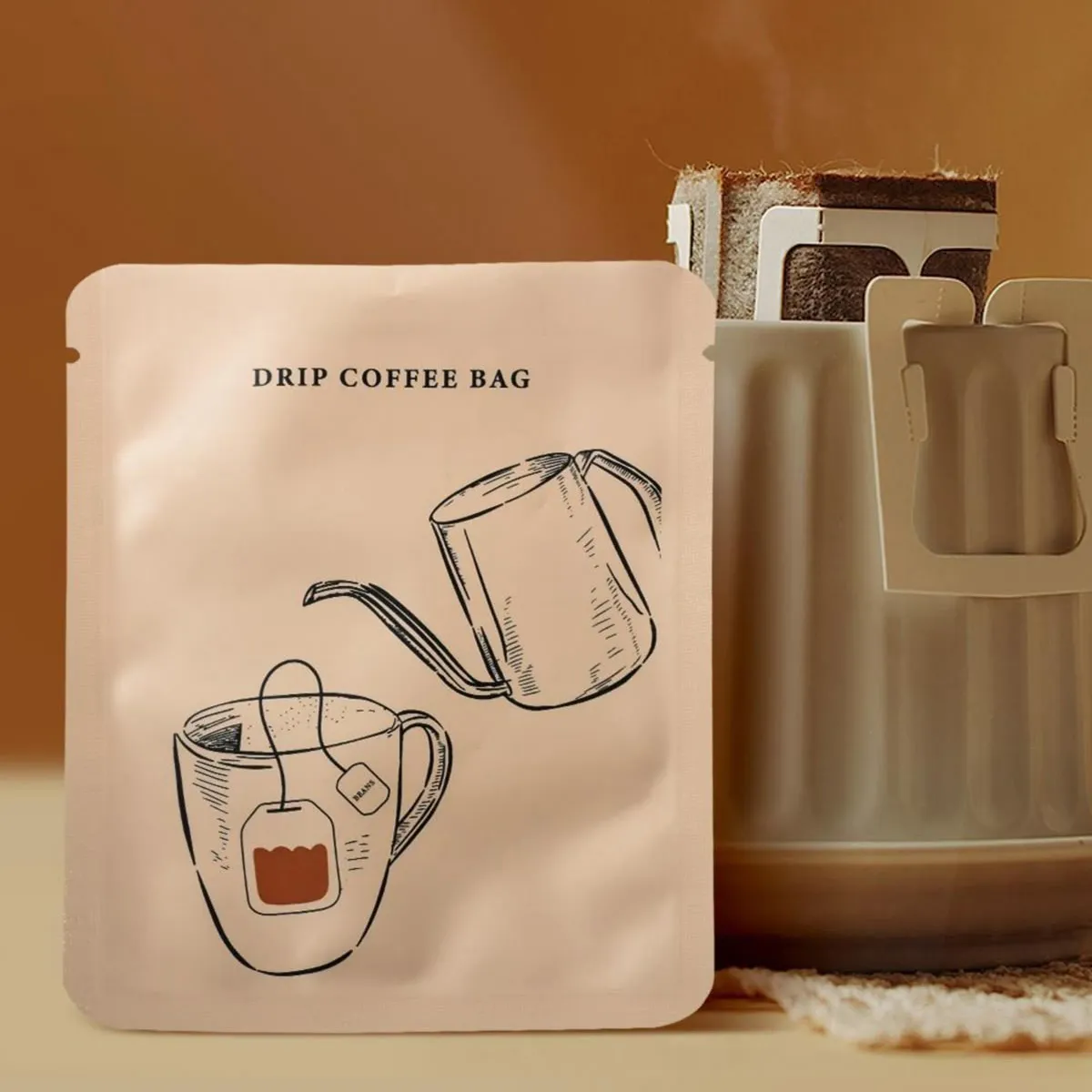
Drip coffee bags occupy a middle ground between these formats, since they contain ground coffee, with all the faster staling that implies, but in individually sealed portions that protect against oxygen exposure until the specific bag is opened. A capable drip coffee supplier packages each portion with this freshness consideration specifically in mind, since the format’s entire value proposition, convenient, fresh-tasting coffee with minimal preparation, depends on that individual seal actually protecting quality between production and the moment a consumer brews it, making packaging integrity arguably more central to this format’s success than it is for whole bean coffee, where a slightly imperfect seal matters less over a shorter overall usage period.
Getting Started
Understanding how long do roasted coffee beans last, and why, gives you a genuinely useful framework for buying, storing, and using coffee in a way that actually preserves the quality you paid for, whether you’re managing a small personal supply or sourcing at commercial volume for a business. Sourcing coffee where freshness is handled correctly from roasting through delivery? Request a sample and ask about roast-to-ship timing from 1300’S Coffee to evaluate freshness practices firsthand.
Read more: How to Roast Coffee Beans Professionally: What Changes at Commercial Scale


1300s BLOG YOU MAY ALSO BE INTERESTED IN
Why Global Coffee Brands Source Specialty Coffee from 1300’S Coffee
Best Freeze Dried Coffee Manufacturers for Premium Instant Coffee Brands
Can You Eat Raw Coffee Beans What Actually Happens If You Do