


Coffee Bean Manufacturer for Private Label and OEM Brands in Vietnam
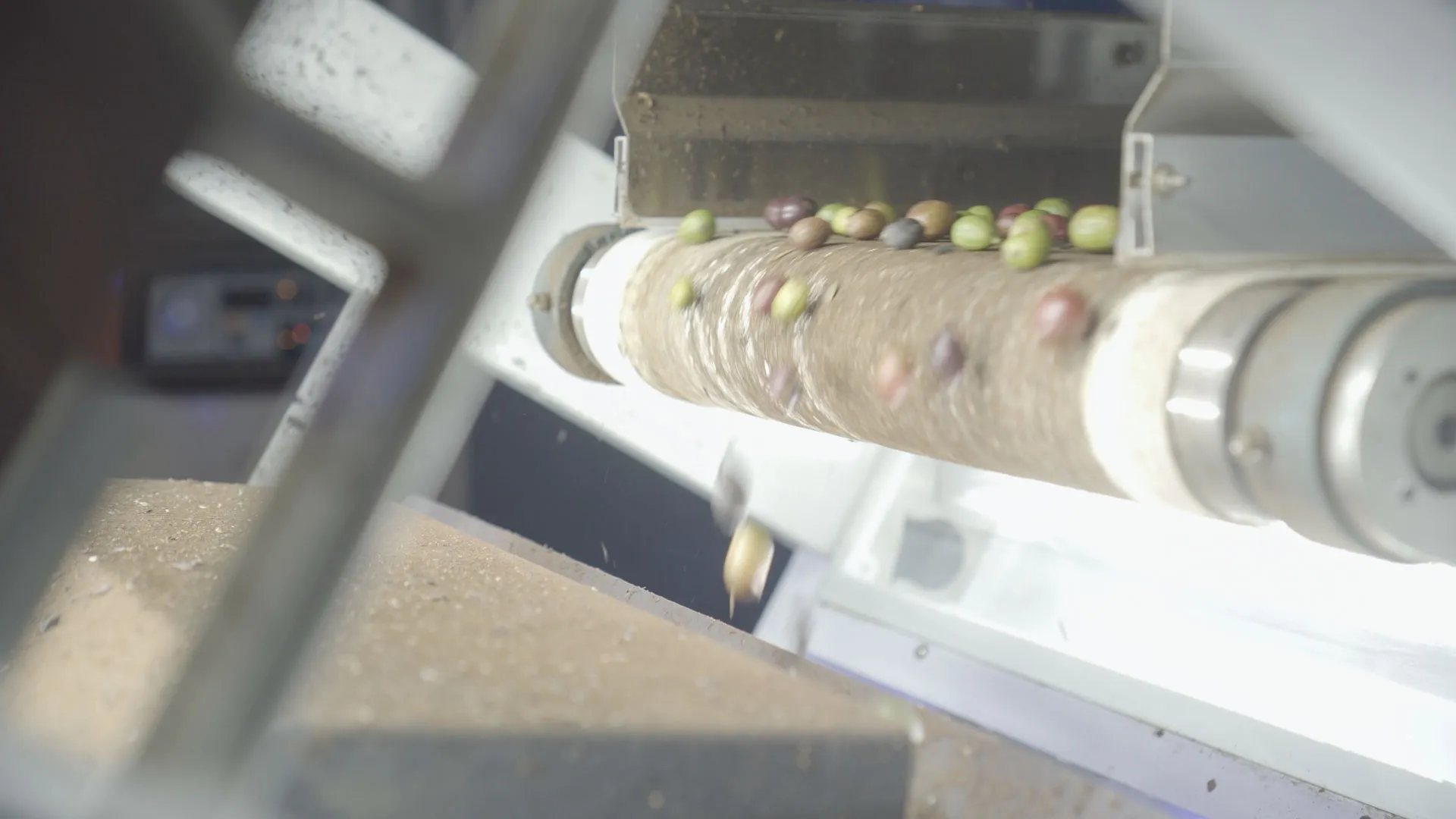
Brands searching for a coffee bean manufacturer in Vietnam are usually trying to solve a specific problem: they need a partner who can do more than sell beans; they need someone who can source, process, roast, and package coffee under their own brand name, reliably, at a quality level that supports what they’re trying to sell. That’s a meaningfully different relationship than buying from a trader or a general exporter, and understanding the difference is the first step in choosing the right partner. This guide covers what a coffee bean manufacturer actually does, how OEM and private label production works, what to expect across Arabica and Robusta sourcing, and how to evaluate manufacturers against your specific brand goals.
What a Coffee Bean Manufacturer Actually Does
The terms get used loosely, but there’s a real operational difference between a coffee bean manufacturer and the other roles in this supply chain. Coffee bean distributors typically buy already-processed coffee from a manufacturer or through intermediaries and resell it, often across multiple brands and origins, without direct control over how the coffee was grown or processed. Coffee bean providers are a broader term still, covering everyone from small trading companies to large exporters, and don’t necessarily indicate any manufacturing capability at all.
What a Coffee Bean Manufacturer Actually Does
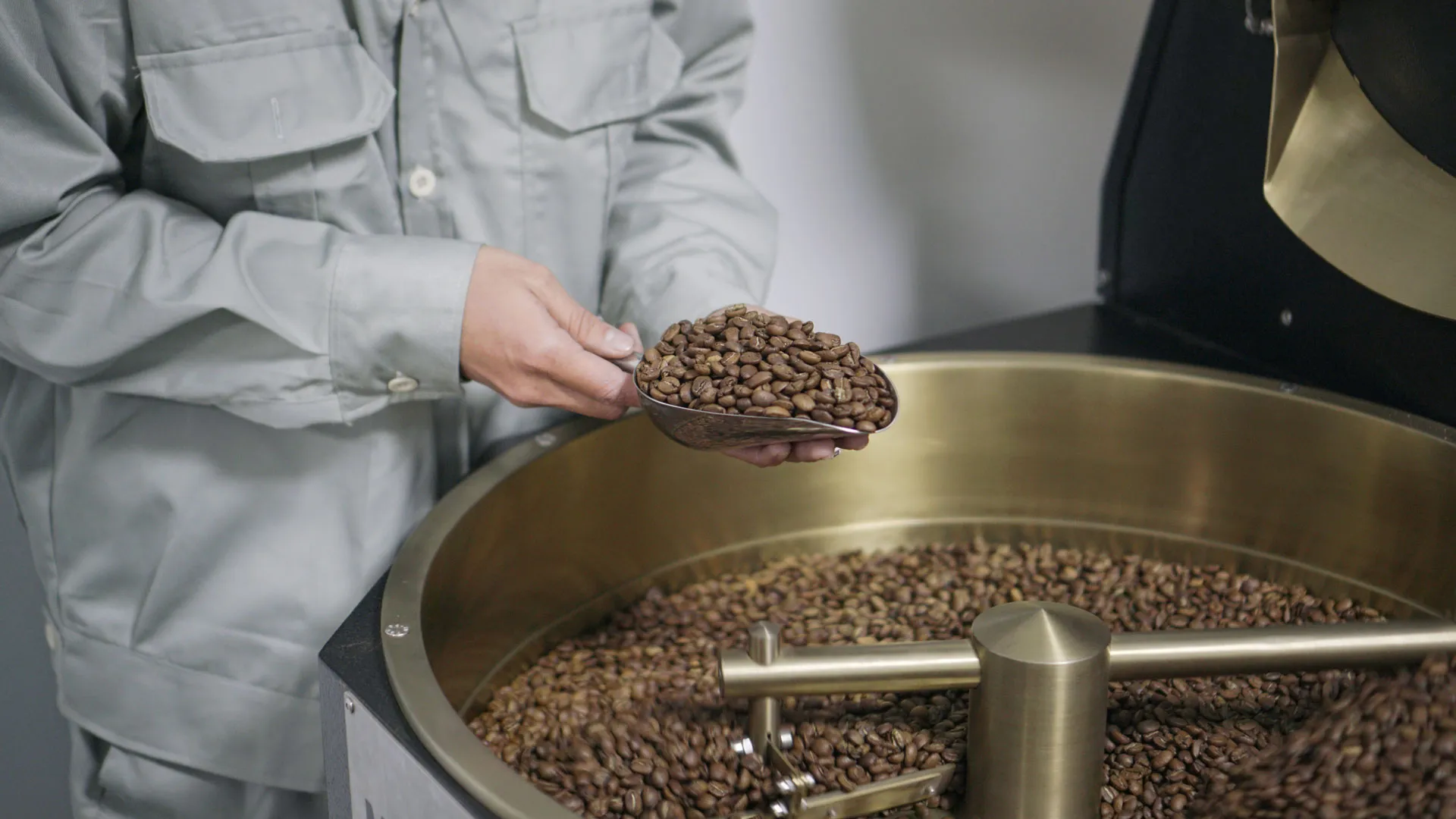
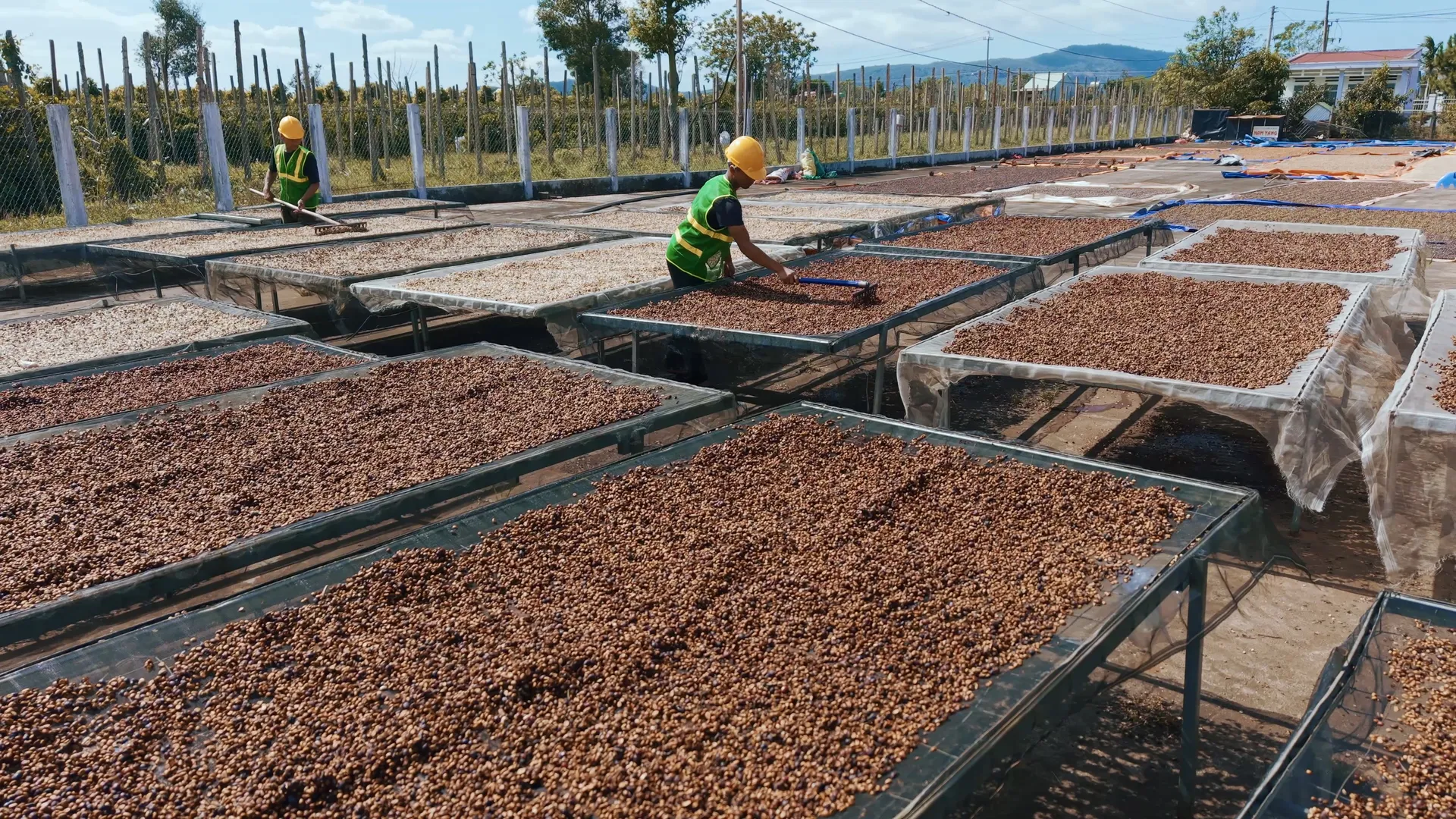
A coffee bean manufacturer, by contrast, controls the physical production process: sourcing green beans (often direct from farms), processing, roasting, grading, and in many cases, packaging under a client’s private label. This distinction matters most when a brand wants customization. A distributor can offer you what’s already in their inventory. A manufacturer can develop a formulation specifically for your brand, adjust a roast profile based on your feedback, and maintain that specification consistently across every future production run.
Private Label and OEM Manufacturing Explained
Two models cover most of what brands need from a coffee bean manufacturer, and the right one depends on how much control a brand wants over the final flavor profile.
Private label
Selecting from a manufacturer’s existing formulations and applying your own branding and packaging. This is the faster, lower-commitment path: a brand can move from initial conversation to a packaged product in a matter of weeks, since there’s no formulation development cycle involved. It suits brands prioritizing speed to market or testing demand before a larger investment.
OEM (original equipment manufacturer)
The manufacturer develops a formulation specifically for your brand through multiple rounds of cupping and adjustment, working through bean origin, blend ratio, and roast profile until it matches your target. This typically takes longer; one to three months is common, and often comes with higher minimum order requirements, but produces a formulation that’s harder for competitors to replicate.
A capable coffee bean manufacturer should be able to support both models and help a brand decide which fits their timeline, budget, and how central flavor differentiation is to their positioning, rather than pushing every client toward whichever model is easiest for the manufacturer to fulfill.
Read more: Private Label Specialty Coffee Wholesale vs OEM Manufacturing
Sourcing Arabica and Robusta: What to Expect From Each
Vietnam’s coffee industry is built primarily on Robusta, and any serious coffee bean manufacturer sourcing domestically should be able to speak specifically to both varietals rather than treating them interchangeably.
Robusta
As the world’s largest Robusta producer, Vietnam offers deep supply and increasingly sophisticated grading for this varietal. A manufacturer working with robusta coffee beans suppliers and farm partners in the Central Highlands should be able to differentiate between standard commercial grade and Fine Robusta, produced through more careful harvesting and controlled processing methods like natural, honey, and anaerobic fermentation, which has become a genuine specialty category in its own right. Buyers looking for robusta coffee wholesale volume should ask specifically about screen size, defect count, and moisture content per lot rather than accepting a general grade classification.
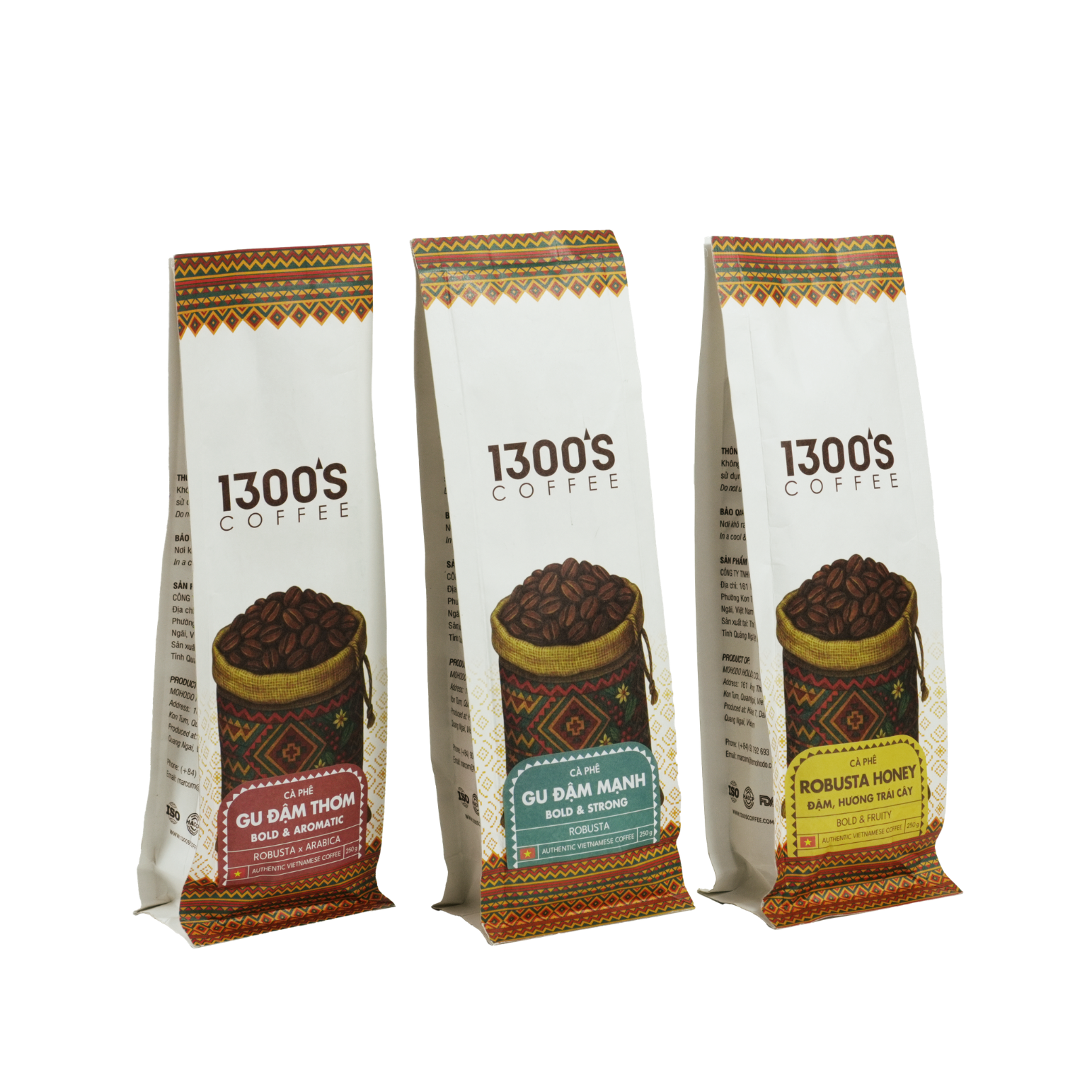
Robusta Coffee Wholesale by 1300’S Coffee
Arabica
Vietnam’s Arabica production is smaller in volume but concentrated in higher-altitude regions, including Lam Dong, Son La, Quang Tri, and Kon Tum, where elevation and climate produce more complex acidity and body than the country’s lowland Robusta crop. An arabica coffee supplier sourcing from these regions directly, rather than through a blended commodity pool, is generally better positioned to offer traceable, single-origin lots suited to specialty positioning.
Buyers with mixed sourcing needs, some Robusta for volume and cost efficiency, some Arabica for a specialty or single-origin line, should confirm a manufacturer can genuinely support both rather than specializing in one and treating the other as an afterthought.
Green Bean Sourcing for Roasters Who Handle Their Own Roasting
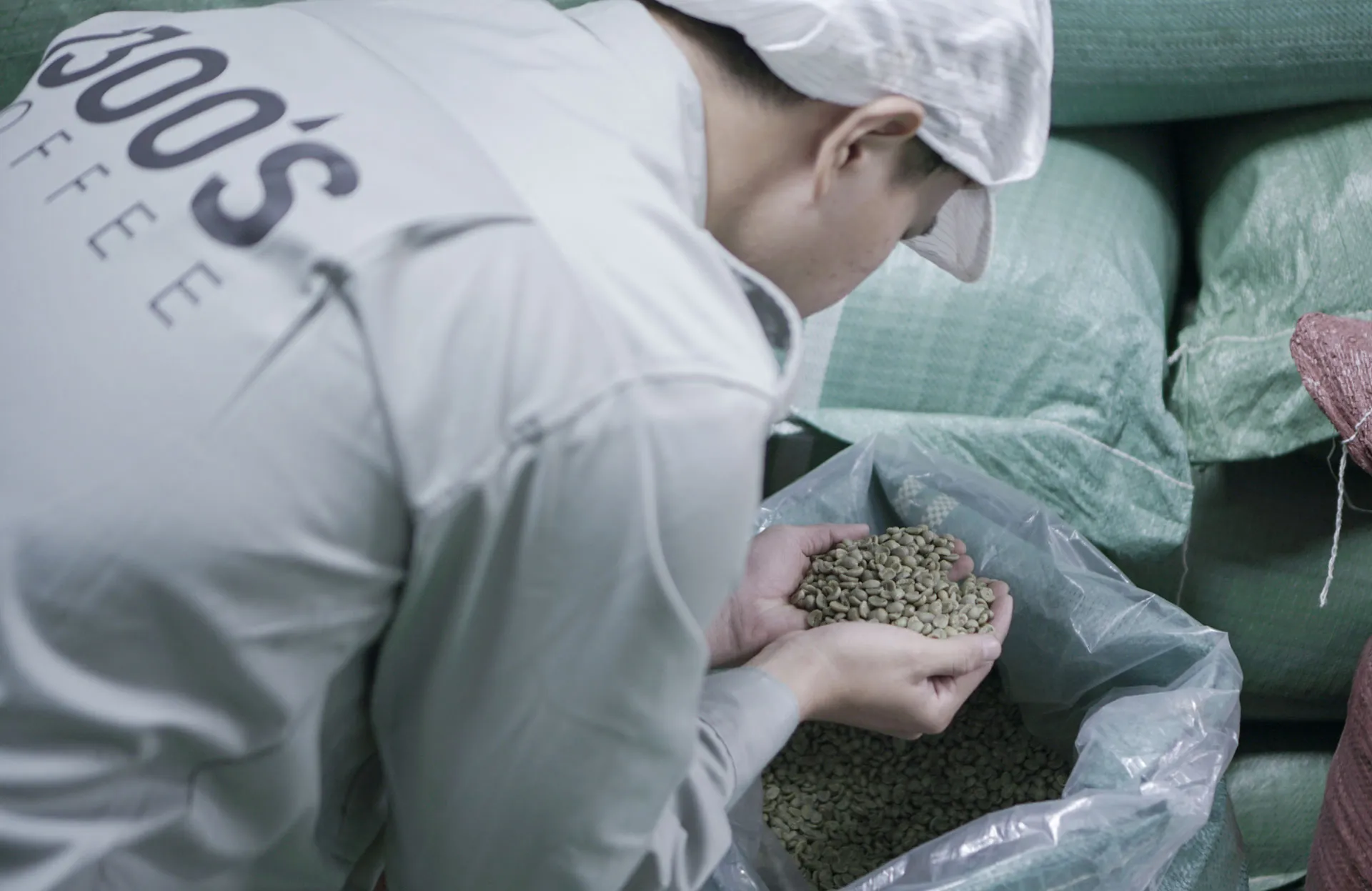
Not every buyer wants a finished, roasted product. Roasters who prefer to control their own roast profile need a coffee bean manufacturer that also supports green bean wholesale supply, unroasted beans graded and documented to the buyer’s specifications, ready for the buyer’s own roasting operation.
This requires a different kind of transparency from the manufacturer: detailed grading data (screen size, density, defect count, crop year), consistent moisture content suited to the buyer’s storage and shipping timeline, and clear documentation of processing method, since this affects how a roaster approaches their own roast curve. A manufacturer that also handles its own roasting internally, rather than existing purely as a green bean trader, is often better equipped to explain how a given lot will behave under roasting, even when supplying it unroasted.
Specialty Grade Options Within OEM and Private Label Production
Brands building a premium or specialty-positioned product need a manufacturer capable of more than standard commercial grade output. A genuine specialty coffee supplier operating as a manufacturer, rather than simply relabeling commercial grade beans as “specialty,” should be able to provide lot-specific cupping scores, defect counts, and documented processing methods for any formulation offered under OEM or private label, whether that’s a single-origin Arabica lot or a Fine Robusta blend. Asking directly for this documentation, rather than accepting a general specialty claim, is one of the more reliable ways to separate manufacturers with real specialty grade capability from those using the term loosely.
What Wholesale Buyers Should Look for in a Manufacturer
For buyers purchasing coffee bean suppliers wholesale volume, whether for private label retail, café supply, or further distribution, a few criteria consistently separate the best coffee bean suppliers from the rest of the market:
- Certifications relevant to your market, such as ISO 22000, HACCP, and FDA registration for shipments into regulated markets, and organic or sustainability certifications where required.
- Consistent grading and documentation per lot, not a general quality claim applied across an entire harvest or production run.
- Production capacity that matches your order pattern, since a manufacturer built for small specialty batches may struggle with recurring large-volume orders, and vice versa.
- Direct sourcing relationships, whether through owned farms or direct farmer partnerships, which tend to produce more consistent quality and better traceability than sourcing through multiple intermediary layers.
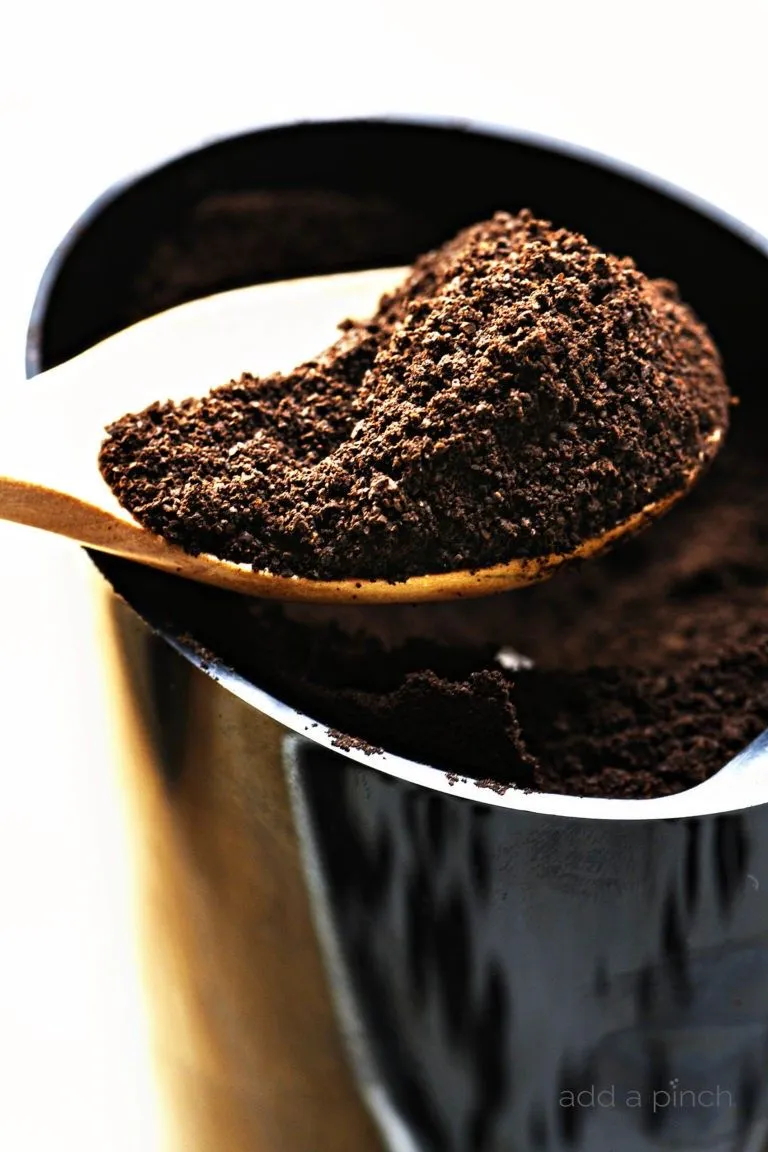
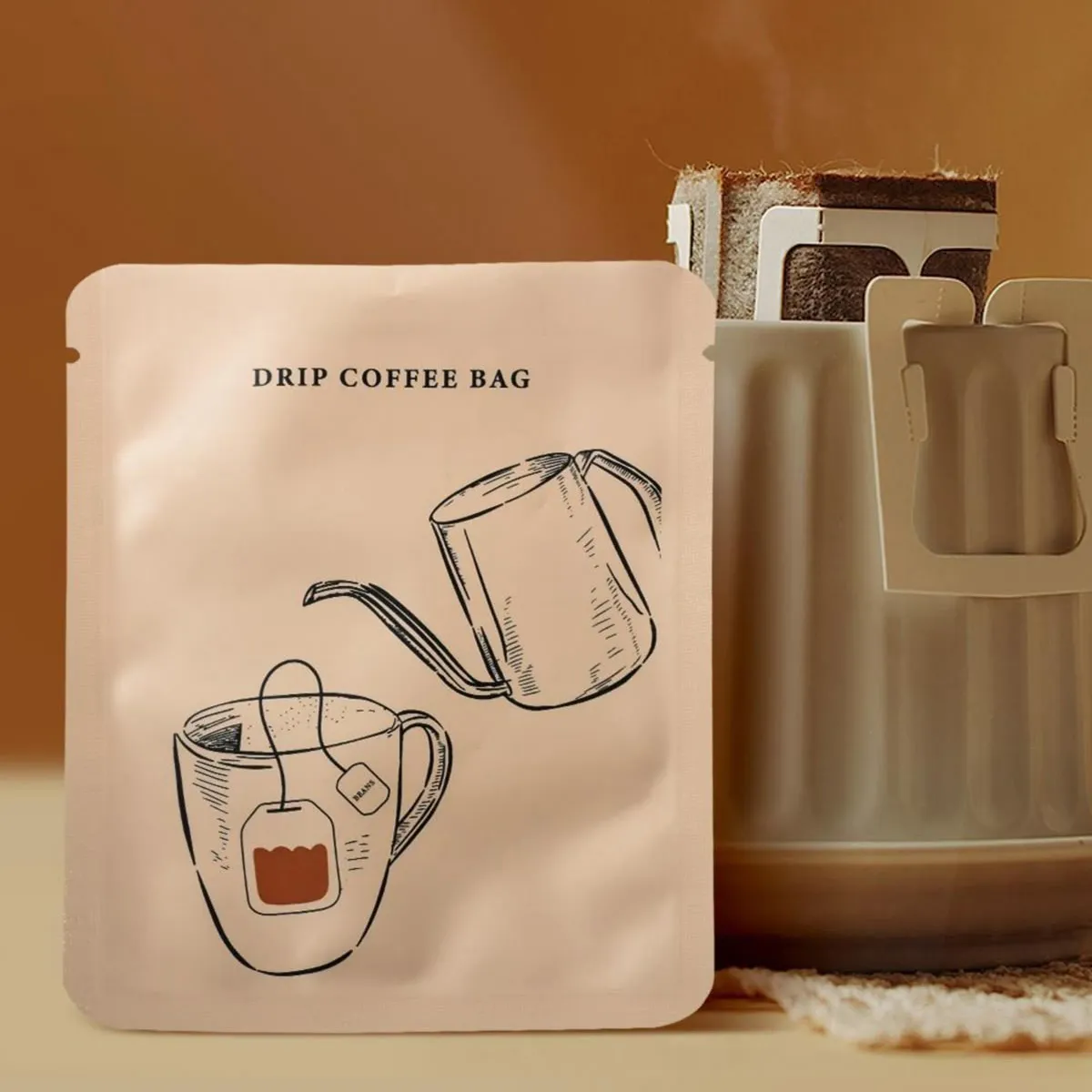
- Flexibility across packaging formats, whole bean, ground, drip bag, or instant, particularly for buyers planning to expand their product range over time without switching manufacturers.
- A track record of export documentation and shipping reliability, since even excellent coffee is only useful to a wholesale buyer if it arrives on schedule with the correct paperwork.
Quality Control and Certifications
A coffee bean manufacturer’s quality control process is what actually determines whether a formulation stays consistent from the first sample to the hundredth production run. Look for manufacturers running quality checks through an in-house lab, at multiple points in the process rather than only before shipment, and holding certifications appropriate to your target market. ISO 22000 and HACCP are close to standard expectations internationally, FDA registration matters specifically for US-bound shipments, and additional certifications like organic or Rainforest Alliance apply depending on your specific positioning and regulatory requirements.
MOQ, Lead Time, and Getting Started
Minimum order quantities and lead times vary significantly depending on whether you’re sourcing private label, custom OEM, or green bean wholesale, and by packaging format. As a general pattern, private label orders using existing formulations move faster and carry lower minimums than custom OEM development, which requires formulation time before production begins. Buyers should request specifics for their exact product type rather than assuming a single MOQ applies across a manufacturer’s entire product range.
Why Brands Choose 1300’S Coffee as Their Coffee Bean Manufacturer
1300’S Coffee operates as a vertically integrated coffee bean manufacturer based in the Mang Den highlands of Kon Tum province, managing sourcing, processing, and roasting under one operation rather than assembling supply through intermediaries. The company works directly with farming partners across the region, supports both Arabica and Robusta sourcing, and offers green bean wholesale supply for roasters who manage their own roasting alongside finished private label and OEM production across whole bean, ground, drip bag, and instant coffee formats. Quality control runs through an in-house lab, and the company holds ISO 22000, HACCP, FDA, and OCOP certifications. Buyers can also visit the origin directly through the company’s Kon Tum farm tour program before committing to a production run.
Getting Started
Brands ready to move forward should prepare a clear brief covering target flavor profile, preferred varietal (Arabica, Robusta, or both), format, order volume, and any required certifications, then request samples before discussing pricing or committing to a formulation. Looking for a coffee bean manufacturer for your private label or OEM brand? Share your brief with 1300’S Coffee to receive samples and a production plan aligned with your requirements.


1300s BLOG YOU MAY ALSO BE INTERESTED IN
Specialty Robusta Coffee Wholesale Redefining Vietnam’s Reputation for Global Buyers
Roasted Coffee Supplier Delivering Consistent Flavor Profiles for Global Buyers
How Long Can Green Coffee Beans Be Stored: Shelf Life and Best Practices