



How to Choose a Trusted Specialty Coffee Supplier for Global Importers
Choosing the right specialty coffee supplier is one of the most important decisions for coffee importers, distributors, roasters, and private label brands. While outstanding coffee quality is essential, a successful sourcing partnership depends on much more than exceptional beans. A reliable supplier should offer consistent production, transparent sourcing, strict quality control, export expertise, and the flexibility to support your business as it grows.
As global demand for specialty coffee continues to rise, buyers have access to more sourcing options than ever before. However, not every specialty coffee supplier can consistently meet international quality standards, maintain stable production across large orders, or provide the technical support required for long-term cooperation. Selecting the wrong partner can lead to inconsistent product quality, delayed shipments, and unnecessary risks that affect both your reputation and profitability.
This guide explains the key factors every international buyer should evaluate before choosing a specialty coffee supplier. From coffee origin and roasting consistency to export capabilities and supply chain transparency, you’ll learn how to identify a partner that can deliver reliable products and support sustainable business growth in competitive global markets.
Defining your sourcing requirements
Selecting a reliable specialty coffee supplier requires a deep understanding of your business objectives and the specific needs of your customer base. You must clarify your goals early to avoid costly mismatches later in the procurement process.
Identifying target bean profiles and varietals
Start by mapping out the specific flavor profiles your customers expect, whether they are searching for bright, acidic African beans or the deeper, chocolatey notes of South American origins. A dedicated team can help you select varietals that maintain these profiles consistently over time.
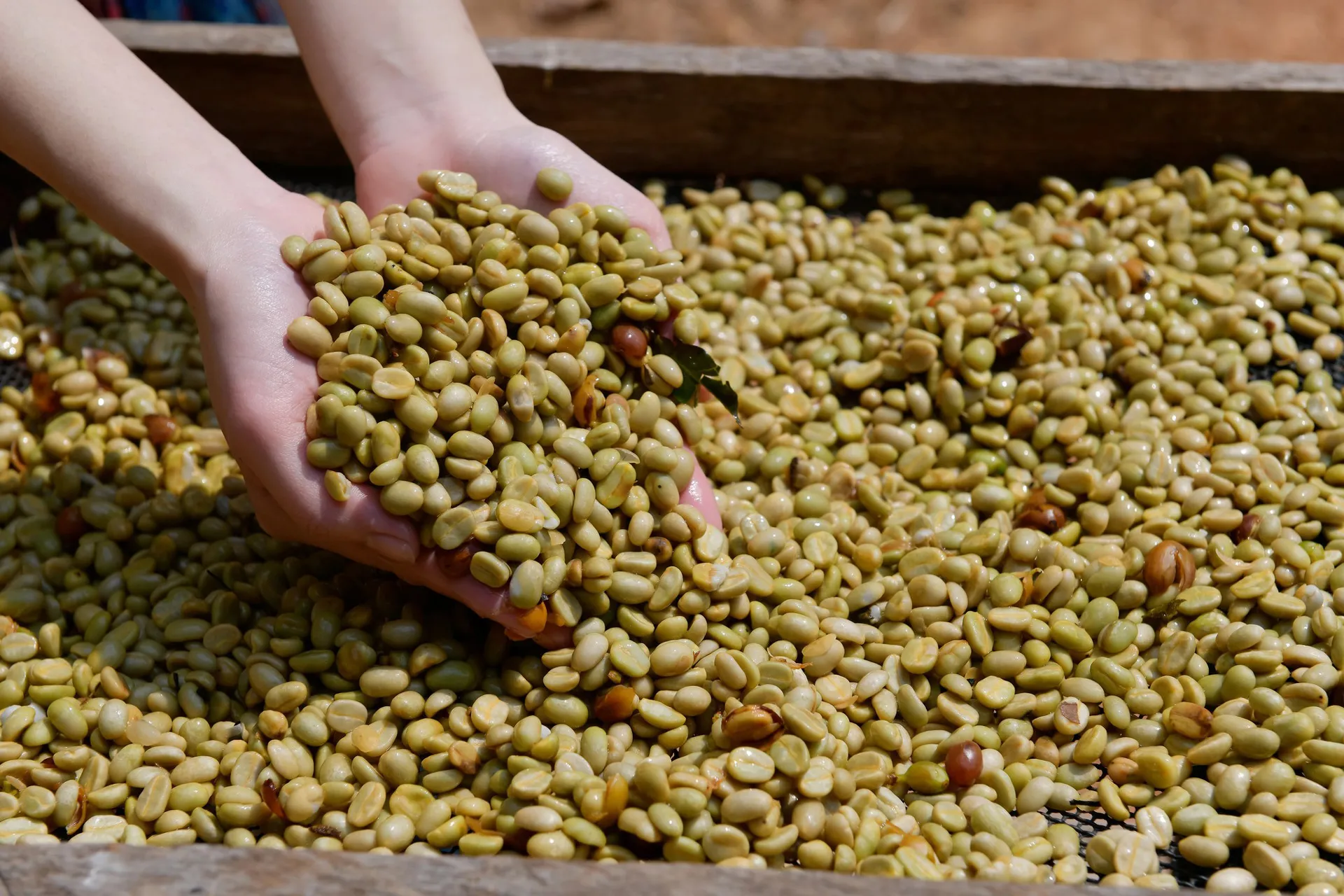
Identifying target bean profiles and varietals
Determining required roasting levels and volumes
Scale dictates your strategy, as the roasting capacity of your supplier must align with your retail forecasts. Whether you need a small batch specialty coffee for a boutique café or high-volume output for national distribution, ensure your partner has the technical infrastructure to maintain quality at every stage.
Establishing your preferred origin regions
Sourcing from specific regions influences not only the flavor but also the story you tell your customers. Working with established partners allows you to secure consistent harvests from high-altitude farms while ensuring ethical practices are strictly followed throughout the supply chain.
Aligning supply capabilities with your market demands
Your chosen provider should act as an extension of your own operations team. It is essential to ensure that their production lines can handle your specific needs, whether through premium specialty coffee wholesale solutions tailored for your brand or customized roast specifications designed for unique market niches.
Assessing quality control and certifications
Quality is not just a promise but a demonstrated result of rigorous scientific processes. A high-performing roastery will have systems in place to verify the integrity of every batch processed in their facility.
Verifying specialty grade standards and SCA scoring
Expert cuppers use standardized scoring to assign values to coffee quality, which serves as your benchmark for consistent flavor. Relying on verified scores ensures that you are providing a product that competes with the best specialty coffee roasters in the world.
Analyzing the impact of organic and fair trade certifications
Certifications provide third-party validation of your ethical commitments, but they also influence cost and supply availability. Understanding which labels resonate with your demographic can help you make informed decisions about your wholesale green coffee beans inventory, especially when considering market demand for sustainable products.
Requesting pre-shipment samples and cupping reports
Never commit to a large contract without first evaluating representative samples. A professional supplier will provide detailed standardized cupping reports that detail density, moisture content, and sensory attributes, allowing you to confirm that the shipment meets your exact criteria.
Evaluating the supplier’s internal quality assurance processes
Consider the technical certifications held by the facility itself. For example, 1300’S Coffee utilizes high-efficiency production lines that are HACCP and ISO 22000 certified, which provides global importers with the documentation needed for international compliance. Below is a summary of typical documentation requirements for international trade.
| Document Type | Purpose | Frequency |
|---|---|---|
| Certificate of Origin | Verifies country of harvest | Per shipment |
| Lab Analysis Report | Confirms safety and moisture | Per lot |
| Organic Certificate | Validates farming methods | Yearly Renewal |
Maintaining these records ensures your supply chain remains transparent and audit-ready at all times.
Evaluating Transparency and Ethical Trade Practices
Transparency has become a defining factor in modern coffee sourcing. For international buyers, selecting a specialty coffee supplier is no longer based solely on coffee quality or competitive pricing. Consumers increasingly want to know where their coffee comes from, how it is produced, and whether the people involved throughout the supply chain are treated fairly. As a result, transparency and ethical sourcing have become important competitive advantages for coffee brands seeking to build long-term customer trust.
A reliable supplier should be willing to openly discuss their sourcing practices, relationships with coffee farmers, quality management processes, and sustainability initiatives. This level of transparency not only reduces procurement risks but also enables importers to confidently communicate the story behind their coffee to distributors, retailers, and end consumers.
Understand the Difference Between Direct Trade and Fair Trade
One of the first questions buyers often ask is whether they should source through Direct Trade or Fair Trade programs. While both approaches aim to create more sustainable coffee supply chains, they serve different business objectives and should be evaluated based on your company’s sourcing strategy.
Direct Trade focuses on building long-term relationships between coffee producers and buyers, allowing both parties to collaborate closely on quality improvement, pricing, and production planning. This model often provides greater traceability and more flexibility when developing premium specialty coffee programs. Fair Trade, on the other hand, follows internationally recognized certification standards designed to improve working conditions and provide minimum pricing protections for farming communities.
Neither approach is universally better than the other. Businesses should consider their target market, customer expectations, and brand positioning before deciding which sourcing model best supports their long-term objectives. Many successful specialty coffee suppliers combine elements of both approaches to achieve a balance between transparency, quality, and social responsibility.
Look for Transparency Throughout the Supply Chain
Price should never be the only factor discussed during supplier negotiations. Professional suppliers should also be able to explain how coffee moves through the supply chain—from cultivation and harvesting to processing, roasting, packaging, and export. This transparency helps buyers understand where value is created and provides greater confidence in product consistency over time.
Rather than requesting only quotations, buyers should ask suppliers how coffee is sourced, processed, and quality-controlled before shipment. Companies that openly explain their production workflow, quality standards, and cost structure generally demonstrate a higher level of operational maturity and are often better prepared to support long-term commercial partnerships.
Supply chain transparency also strengthens relationships with end customers, as brands can confidently communicate the origin and production story behind every coffee product they sell.
Evaluate How Suppliers Support Coffee-Growing Communities
Ethical sourcing extends beyond paying fair prices for coffee beans. Sustainable supplier relationships are built by investing in the long-term success of the farming communities that produce the coffee. This may include providing agricultural training, improving harvesting techniques, supporting infrastructure development, or helping farmers adopt better post-harvest processing methods.
These initiatives benefit everyone involved in the supply chain. Farmers gain access to better knowledge and more stable income opportunities, while suppliers receive more consistent raw material quality and stronger long-term production capacity. For international buyers, working with suppliers that actively support coffee-growing communities often results in greater supply stability and improved product consistency across future harvests.
When evaluating potential partners, ask how they work with farmers throughout the year rather than focusing only on purchasing coffee during harvest season. Long-term collaboration is usually a strong indicator of both ethical business practices and reliable sourcing capability.
Assess Sustainability Through Practical Actions
Sustainability has become an essential consideration for both coffee brands and consumers, but meaningful sustainability extends far beyond marketing claims or certification logos. Buyers should evaluate how suppliers integrate environmentally responsible practices into their daily operations, from coffee cultivation and processing to roasting and packaging.
Examples of responsible practices include reducing water consumption during processing, utilizing renewable energy where possible, improving waste management, protecting soil health, and minimizing the use of chemical inputs. These initiatives not only reduce environmental impact but also contribute to healthier coffee trees, more resilient farming systems, and improved bean quality over time.
For businesses sourcing specialty coffee, sustainability should be viewed as a long-term investment rather than a promotional message. Suppliers committed to continuous environmental improvement are generally better positioned to maintain stable production while meeting the growing expectations of global coffee markets.
Assessing logistical capabilities for international shipping
Navigating the complexities of international trade requires a partner who understands the nuances of global supply chains. A mistake in export documentation can lead to costly delays at the port of entry.
Analyzing lead times and inventory management capabilities
Reliability hinges on forecasting and lead time management. Whether you need premium roasted coffee wholesale for a recurring subscription or a one-time bulk order, your partner should be able to provide accurate timelines that factor in production, quality checks, and transit transit times.
Understanding Incoterms and shipping responsibilities
Understanding who is responsible for the cargo at every stage—from the factory floor to your warehouse door—is vital. Establishing clear Incoterms helps prevent disputes and clarifies insurance responsibilities during transit.
Navigating export documentation and customs compliance
Your facility should be adept at handling the heavy documentation associated with coffee exports. This is a critical factor for any professional drip coffee supplier aiming to serve international markets efficiently. Common hurdles often include:
- Obtaining valid Phytosanitary Certificates for origin integrity.
- Preparing accurate Commercial Invoices for customs authorities.
- Coordinating with freight forwarders for timely terminal clearance.
- Ensuring all packaging labels comply with local health regulations.
Maintaining a clear line of communication with your logistics coordinator will help streamline these requirements for every container that leaves the dock.
Mitigating risks during ocean and air freight transit
Shipping delicate coffee beans requires specialized handling, especially concerning humidity control. Always ask about the use of container liners or climate-controlled environments to prevent spoilage during long sea voyages.
Building a Long-Term Partnership with Your Specialty Coffee Supplier
Choosing a specialty coffee supplier is only the first step in building a successful coffee business. The greatest value comes from developing a long-term partnership where both companies work together to improve product quality, expand market opportunities, and respond to changing customer demands. Unlike transactional purchasing relationships, strategic partnerships create greater supply chain stability, encourage continuous product innovation, and help businesses remain competitive in an increasingly demanding global coffee market.
For international importers, a supplier should be viewed not simply as a manufacturer but as an extension of the business itself. The stronger the relationship becomes, the more effectively both parties can plan production, improve efficiency, and create products that meet evolving market expectations.
Establish Open and Consistent Communication
Effective communication forms the foundation of every successful wholesale partnership. While product quality often receives the most attention during supplier selection, communication is usually the factor that determines whether projects run smoothly over the long term. Delayed responses, incomplete specifications, or misunderstandings during production planning can quickly lead to shipment delays, packaging errors, or inconsistent product quality.
Professional specialty coffee suppliers maintain transparent communication throughout every stage of the project, from product development and sample approval to production scheduling and export coordination. Regular updates allow both parties to identify potential challenges early, discuss solutions proactively, and maintain complete visibility throughout the manufacturing process. Buyers should therefore evaluate not only response time but also the supplier’s willingness to provide detailed technical information, practical recommendations, and ongoing support after the order has been confirmed.
Build Flexible Agreements That Support Business Growth
Business requirements rarely remain the same over time. As coffee brands expand into new markets, introduce additional product categories, or experience seasonal demand fluctuations, production requirements naturally evolve. Suppliers capable of adapting to these changes provide considerably greater long-term value than manufacturers operating under rigid production policies.
Rather than negotiating each shipment independently, buyers should establish commercial agreements that allow room for future growth. This may include flexible production volumes, customized packaging options, new roast profile development, or the introduction of additional product categories such as drip coffee, instant coffee, or private label collections. A supplier that understands your long-term business strategy is far better positioned to support sustainable growth than one focused solely on fulfilling today’s purchase order.
Use Your Supplier’s Expertise to Strengthen Your Brand
An experienced specialty coffee supplier contributes far more than manufacturing capacity. Through years of working with different coffee origins, roast profiles, brewing methods, and international markets, suppliers accumulate valuable technical knowledge that can directly support product development and brand positioning.
Instead of viewing suppliers purely as production partners, businesses should actively involve them in discussions about coffee selection, roast profile optimization, packaging improvements, and emerging consumer trends. This collaborative approach often leads to better product differentiation, stronger customer experiences, and faster product development compared with managing these decisions independently. The most successful coffee brands are frequently those that treat their suppliers as strategic advisors rather than simple vendors.
Review Performance and Continuously Improve Together
Long-term partnerships should evolve through regular evaluation and open discussion rather than remaining unchanged after the first contract is signed. As market conditions shift, customer expectations change, and new opportunities emerge, both buyers and suppliers benefit from reviewing previous projects and identifying areas for improvement.
Periodic business reviews provide an opportunity to discuss production performance, product consistency, delivery reliability, customer feedback, and future product development. These conversations help both parties align their objectives, strengthen operational efficiency, and identify new opportunities for collaboration. Continuous improvement ultimately creates stronger partnerships while ensuring products remain competitive in rapidly changing international markets.
Evaluate the Supplier’s Reputation Before Making a Long-Term Commitment
Before entering a long-term supply agreement, buyers should conduct comprehensive due diligence to ensure that a supplier’s operational capabilities match their commercial promises. Product samples provide valuable insight into coffee quality, but they reveal very little about a company’s reliability, export experience, or ability to support large-scale production over time.
Evaluating a supplier’s reputation requires looking beyond marketing materials and examining their track record, customer relationships, and overall business stability. This process significantly reduces procurement risks while helping businesses identify partners capable of supporting sustainable long-term growth.
Review Industry Experience and Export History
Experience plays a critical role in international coffee trade. Suppliers that have successfully served global buyers over many years generally possess stronger quality management systems, more efficient production planning, and greater familiarity with export regulations than newly established manufacturers.
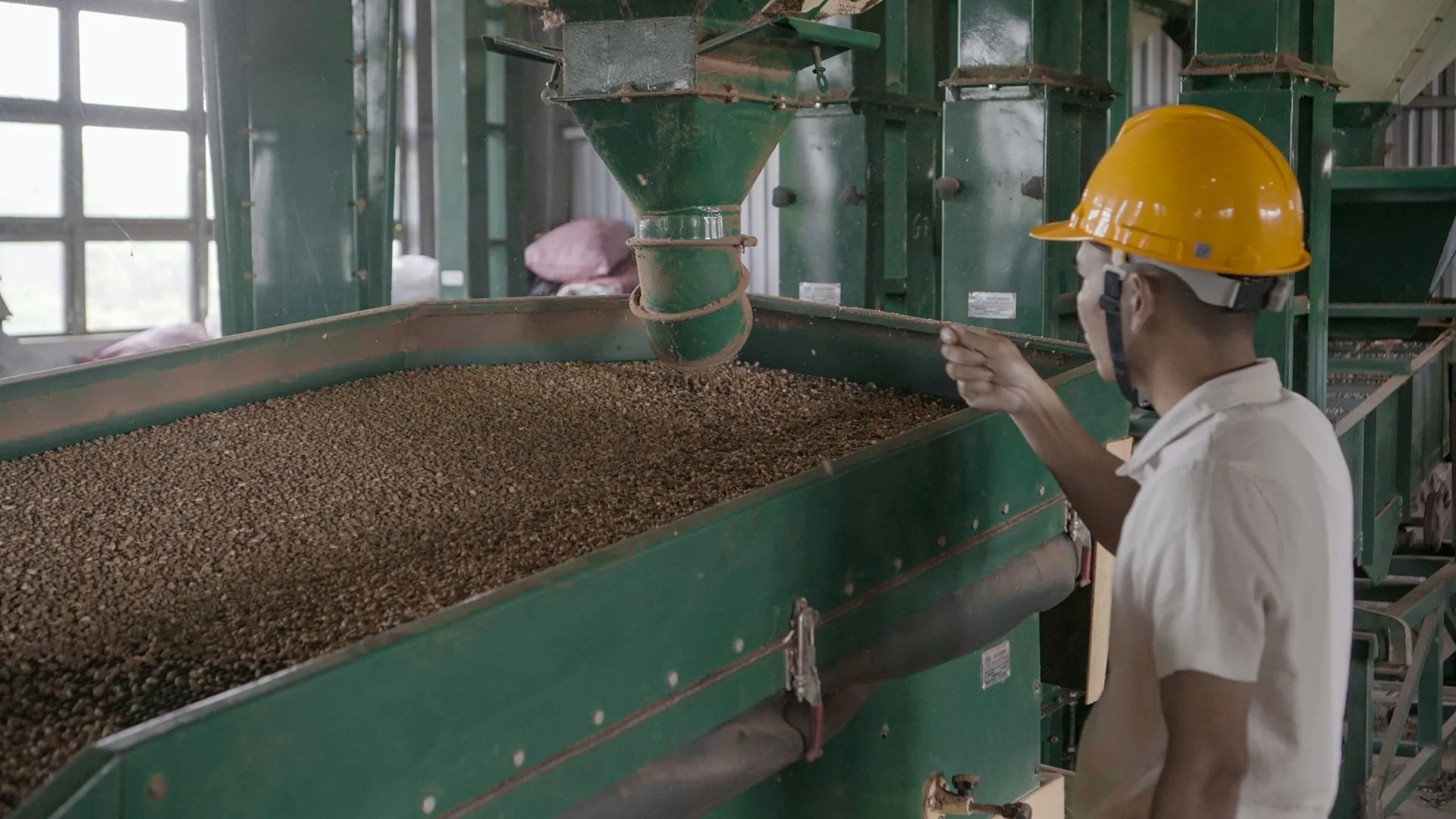
Review Industry Experience and Export History
Rather than asking simply how long a company has been operating, buyers should explore the markets they currently serve, the types of customers they work with, and the scale of their export operations. A supplier with proven experience across multiple international markets is typically better prepared to anticipate challenges and deliver consistent results.
Speak with Existing Customers Whenever Possible
One of the most effective ways to evaluate a supplier is by learning from businesses that have already worked with them. Existing customers can provide valuable insight into product consistency, communication quality, problem-solving ability, and overall reliability throughout the partnership.
When requesting references, buyers should focus on understanding how the supplier performs beyond the initial order. Questions about lead times, quality consistency, responsiveness, and after-sales support often reveal far more than standard marketing testimonials. Suppliers with long-term international customers generally demonstrate stronger operational stability and a greater commitment to customer success.
Consider Financial Stability and Operational Investment
Long-term partnerships require suppliers capable of investing continuously in production, technology, quality control, and workforce development. Companies with stable financial foundations are better equipped to expand manufacturing capacity, maintain modern roasting equipment, and respond effectively to changes in global coffee markets.
Although financial information is not always publicly available, buyers can often evaluate operational maturity by observing factory investments, production capabilities, quality management systems, and ongoing business development. Suppliers that consistently invest in their facilities and people are generally better positioned to support growing international customers over many years.
Reputation Is Built Through Consistency
A strong reputation is rarely created through marketing alone. It is built through years of delivering consistent product quality, honoring commercial commitments, and maintaining professional relationships with customers across different markets.
Before making a final decision, buyers should research how the supplier is perceived within the coffee industry, review customer feedback where available, and evaluate how transparently the company communicates about its sourcing practices, production capabilities, and export experience. Businesses that consistently demonstrate professionalism, transparency, and accountability are far more likely to become reliable long-term partners than suppliers competing primarily on price.
Partner with a Trusted Specialty Coffee Supplier
Finding the right specialty coffee supplier is about building a partnership that supports your business for years to come. At 1300’S Coffee, we work closely with importers, distributors, specialty roasters, retailers, and private label brands to deliver premium Vietnamese coffee backed by consistent quality, transparent sourcing, and export-standard production.
Our product portfolio includes specialty Arabica, Fine Robusta, roasted coffee beans, ground coffee, drip coffee, and instant coffee, alongside flexible OEM and private label solutions tailored to international markets. Every batch is carefully sourced, roasted, and quality-checked to ensure it meets the expectations of customers worldwide.
Whether you’re sourcing bulk specialty coffee, expanding your wholesale portfolio, or launching a new coffee brand, our experienced team is ready to help you identify the right products, develop customized solutions, and build a reliable long-term supply partnership.
Contact 1300’S Coffee today to request samples, discuss your sourcing requirements, or explore OEM and private label opportunities designed for your target market.
Conclusion
Selecting a specialty coffee supplier is a foundational business decision that impacts your product quality, brand reputation, and overall profitability. By meticulously evaluating potential partners through the lens of quality assurance, logistical precision, and ethical transparency, you ensure that your coffee offerings remain both competitive and consistent. Taking the time to build a robust, communicative relationship with a manufacturer that truly understands your growth trajectory will provide you with a significant competitive advantage in the global market.
Read more: Specialty Batch Coffee Roasters in Vietnam for Wholesale & Export


1300s BLOG YOU MAY ALSO BE INTERESTED IN
Top 10 Best Specialty Coffee Roasters with Export Standard in Vietnam
What Countries Import the Most Coffee Top Importing Markets Worldwide
Instant Coffee Wholesale Price Factors Importers Should Know Before Buying