




How to Import Coffee A Step by Step Guide for New Importers
Learning how to import coffee for the first time means navigating a specific sequence of decisions and documentation that, while genuinely manageable, trips up plenty of new importers who skip a step or misunderstand a requirement along the way. This guide walks through the actual process, from deciding what to import through to clearing customs and receiving your shipment, focused specifically on the mechanics of getting a coffee import done correctly rather than the broader business strategy of building an import company from scratch.
How to Import Coffee The Basic Process Overview
At a high level, importing coffee involves selecting what format and grade you want, finding and vetting a supplier, arranging the correct documentation, understanding duties and shipping terms, and managing customs clearance once the shipment arrives. Each of these stages has its own specific requirements, and skipping ahead without properly completing an earlier step is where most first-time importer problems actually originate. First-time importers often underestimate how much these stages depend on each other sequentially, a documentation gap discovered during customs clearance, for instance, frequently traces back to an unclear specification agreed during the initial supplier conversation, meaning the actual fix requires revisiting an earlier stage rather than simply resolving the immediate customs issue in isolation.
Step One Deciding What Format and Grade to Import
Before contacting any supplier, you need clarity on exactly what product you’re actually trying to import, since this decision shapes every subsequent step in the process.
Green Beans vs Finished Products
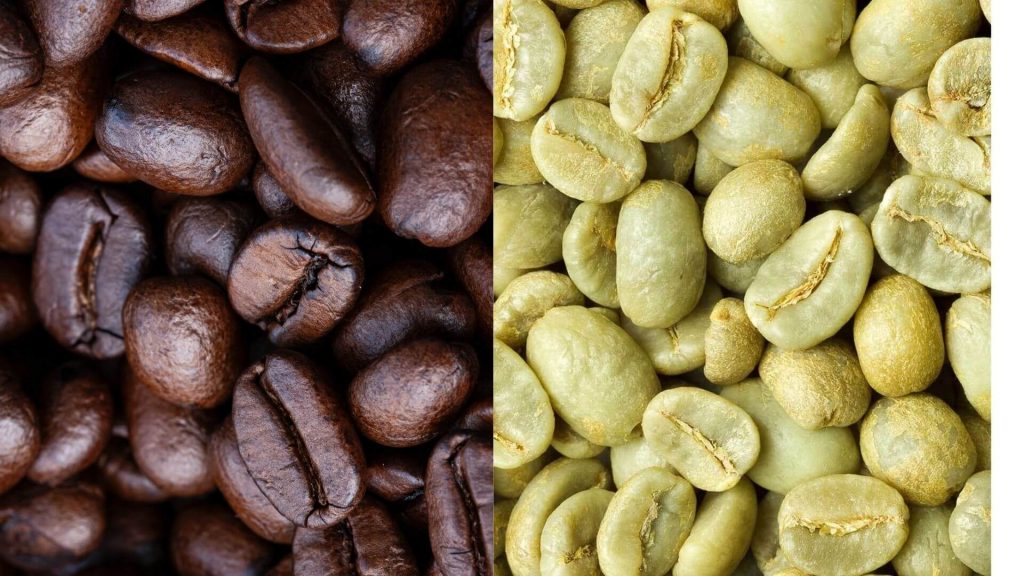
Importing green, unroasted coffee beans gives you control over your own roasting but requires either your own roasting operation or a domestic roasting partner to turn that green coffee into a sellable product. Importing finished roasted coffee, working with a roasted coffee wholesale supplier who handles roasting at origin, skips this step entirely, letting you import a product ready for retail or foodservice sale without any additional processing on your end. The right choice depends entirely on whether you have, or plan to build, in-house roasting capability, and new importers without existing roasting infrastructure generally find finished product imports considerably simpler to manage for a first import. Businesses genuinely uncertain which path fits their situation should honestly assess their own equipment, staffing, and quality control capability before committing, since roasting green coffee well requires real technical skill that takes time to develop, meaning a first import built around finished roasted product often produces more consistent early results than attempting green bean roasting without prior experience.
Green Beans vs Finished Products
Matching Format to Your Business Model
Beyond the basic green versus roasted decision, consider which specific format actually fits your business model and customer base.
A cafe or roaster benefits from working with a specialty coffee supplier for green beans specifically calibrated to their roasting equipment and target flavor profile, since this relationship supports the ongoing formulation and quality control a roasting operation actually needs rather than a one-time bulk purchase.
A retailer or foodservice distributor might instead look toward a ready-to-brew ground format for their product line, particularly useful for businesses without any in-house roasting or grinding capability of their own.
Businesses building a genuine premium coffee program specifically, rather than sourcing an occasional exceptional lot, should confirm early whether a prospective supplier can maintain that quality consistency at the recurring volume the business actually needs, since delivering top-tier quality reliably at real import scale is a meaningfully harder bar than a single excellent sample batch.
For businesses prioritizing convenience and shelf stability over fresh-brewed flavor, exploring soluble coffee supply is worth considering for at least part of a broader product line, and businesses considering this format specifically should confirm early in this decision process whether they need spray-dried or freeze-dried product, since this affects both pricing and which manufacturers are actually capable of fulfilling the order.
Step Two Finding and Vetting a Supplier
Once you know what you’re importing, finding a reliable source and confirming they can actually deliver what they claim becomes the next critical step in learning how to import coffee successfully.
Verifying Certifications and Documentation
Confirm that any prospective supplier holds certifications appropriate to your destination market, ISO 22000 and HACCP as a near-universal baseline, with FDA registration required specifically for shipments into the United States. Verify these certifications directly with the issuing body rather than accepting a supplier’s provided documentation at face value, since certifications do lapse and a supplier presenting outdated paperwork as current, whether through oversight or misrepresentation, creates real risk for your own customs clearance later in the process. Beyond certifications, ask directly about a supplier’s export track record, how many shipments they’ve completed to markets with import requirements as strict as or stricter than your own, since a supplier with genuine export experience to demanding markets has typically already worked through the documentation and quality consistency challenges a newer exporter might still be learning. This verification matters just as much whether you’re building a ground coffee wholesale import program or a more differentiated specialty coffee wholesale line, since certification gaps and inconsistent export experience create risk regardless of which specific product tier you’re actually sourcing.
Requesting Samples Before Committing to Volume
Request a sample matching the actual product and specification you intend to import, evaluate it independently against your own quality expectations, and place a smaller trial order before committing to a full container shipment. This sequence catches quality and consistency issues while the cost of a mismatch remains manageable, rather than discovering a problem only after a large shipment has already left the exporting country. A trial order also gives you a genuine opportunity to test the entire process end to end at smaller scale, documentation, shipping timeline, customs clearance, before committing to the volume and financial exposure of a full container order, which is particularly valuable when you’re still learning the mechanics of the import process yourself for the first time.
Step Three Understanding Import Documentation
Documentation is where many new importers feel most overwhelmed, though the actual paperwork involved follows a fairly consistent, learnable pattern across most shipments.
Certificate of Origin and Commercial Invoice
The certificate of origin confirms which country your coffee actually came from, information customs authorities use to apply the correct duty rate, particularly relevant if your destination market has a preferential trade agreement with the exporting country that reduces or eliminates standard tariffs. The commercial invoice details the transaction itself, buyer, seller, product description, quantity, and agreed price, serving as the primary document customs officials reference when assessing duties owed on the shipment. Discrepancies between the commercial invoice and the actual physical shipment, even minor ones in quantity or product description, are a common trigger for additional customs scrutiny, making it worth double-checking these details carefully with your supplier before a shipment departs rather than after it’s already in transit and any correction becomes considerably more difficult to arrange.
Phytosanitary Certificate
A phytosanitary certificate confirms the coffee meets your destination country’s plant health import requirements, verifying the shipment is free from pests or diseases that could threaten domestic agriculture. This document is typically issued by an agricultural authority in the exporting country and is essentially non-negotiable for coffee imports, since coffee, as an agricultural product, falls squarely within the category of goods requiring this kind of plant health verification before entry is permitted. Timing matters here too, phytosanitary certificates are typically valid for a limited period from issue date, meaning a shipment delayed significantly after this document is issued can arrive with an expired certificate, creating an avoidable customs holdup that’s worth planning around by confirming realistic shipping timelines before this document gets generated rather than after.
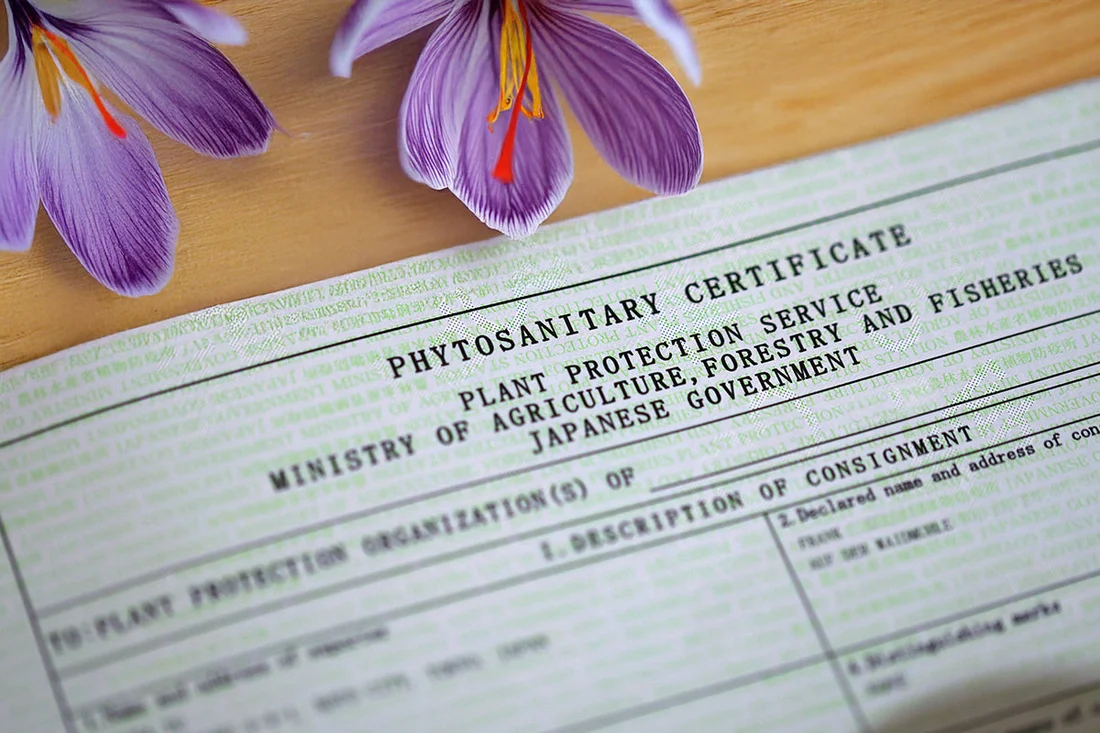
Phytosanitary Certificate
Bill of Lading and Packing List
The bill of lading serves as both a receipt for the shipped goods and a contract between you and the shipping carrier, and you’ll need the original or an authorized copy to actually claim your shipment once it arrives at the destination port. The packing list provides a detailed breakdown of exactly what’s contained in each package or container, information customs officials may cross-reference against the commercial invoice and physical shipment during inspection. This documentation matters just as much for a business planning a large instant coffee bulk buy as it does for a standard green or roasted coffee shipment, since customs officials apply the same cross-referencing scrutiny regardless of which specific coffee format is actually being imported.
Step Four Duties Tariffs and Incoterms
Understanding what you’ll actually owe, and who’s responsible for what cost at each stage of shipping, prevents unpleasant financial surprises partway through your first import. Confirm the applicable duty rate for coffee imports into your specific destination market, since rates vary based on product type, green versus roasted versus instant, and any applicable trade agreements between your country and the country of origin. Businesses importing instant coffee wholesale volume specifically should confirm duty classification carefully, since instant and soluble coffee products sometimes fall under a different tariff classification than raw green or standard roasted coffee, a distinction worth clarifying with a customs broker rather than assuming a single coffee duty rate applies uniformly across every product format. Equally important, confirm which Incoterms your supplier is quoting under, FOB, CIF, or others, since these terms determine exactly where responsibility and cost transfer from seller to buyer, and misunderstanding this detail is one of the more common sources of unexpected cost for first-time importers who assume freight or insurance is included in a quoted price when it actually isn’t.
Step Five Customs Clearance and Logistics
Once your shipment arrives, customs clearance and final delivery logistics complete the actual import process. Working with a licensed customs broker, particularly for your first few shipments, considerably simplifies this stage, since a broker handles the actual customs filing and can flag documentation issues before they cause a delay at the border. This stage looks similar regardless of product format, whether you’re clearing a shipment of green beans, a roasted coffee order, or a finished consumer-ready product from a drip coffee supplier, though retail-ready packaging formats sometimes face additional labeling compliance checks that a bulk green coffee shipment intended for further domestic processing wouldn’t need to satisfy at the border. Confirm delivery logistics from the port to your actual warehouse or facility in advance too, since arranging trucking or final-mile delivery after a shipment has already cleared customs, rather than planning it ahead of time, frequently adds unnecessary delay to a process that’s otherwise straightforward once customs clearance itself is complete. Building a relationship with the same customs broker across multiple shipments also pays off over time, since a broker familiar with your specific product and typical documentation pattern can process subsequent shipments more efficiently than starting fresh with a new broker for every single import.
Common Mistakes First Time Importers Make
A handful of recurring errors trip up people learning how to import coffee for the first time, and knowing them in advance helps you avoid repeating them. Underestimating how long the full process takes, from initial supplier contact through to receiving cleared product, is one of the most common planning mistakes, and new importers should build in considerably more buffer time than they initially expect, particularly for a first shipment where every step is being learned in real time rather than executed from established experience.
Assuming a single supplier relationship can cover every product format a business eventually wants is another frequent misstep. A business that initially imports green coffee for its own roasting operation, for example, sometimes later wants to add a roasted coffee wholesale line for direct resale, and discovering that their original green bean supplier doesn’t support finished roasted product means starting a new supplier search rather than expanding an existing relationship. This same gap frequently shows up when a business wants to add a ground coffee wholesale product to their range and finds their existing supplier only handles whole bean formats.
Skipping the sample and trial order stage to save time is a mistake that tends to cost considerably more than the time it saves, since a quality or specification mismatch discovered only after a full container shipment has arrived is far more expensive and disruptive to correct than one caught during a smaller trial order earlier in the relationship.
And underestimating documentation requirements specific to a particular product format causes real problems too, a business importing a finished, consumer-ready product, for instance, needs to confirm packaging and labeling compliance specific to that retail format, requirements that don’t apply the same way to a bulk green coffee shipment intended for further processing domestically.
Getting Started
Learning how to import coffee successfully comes down to working through each stage in order, format and grade decisions, supplier vetting, documentation, duties and logistics, and customs clearance, rather than skipping ahead and discovering a gap only once it’s already caused a delay or added cost. Ready to import coffee from a supplier who can guide you through this process? Request a sample and documentation from 1300’S Coffee to start your first shipment with a partner experienced in export requirements.
Read more: Is the Coffee Industry Growing? Market Trends and Growth Drivers


1300s BLOG YOU MAY ALSO BE INTERESTED IN
What Beans Does Vietnamese Coffee Use? A Roaster’s Guide to Origin and Species
Best Private Label Coffee Suppliers for Brands Ready to Launch Their Own Line
Top 8 Wholesale Green Coffee Suppliers for Commercial and Specialty Brands